Category: Blogs

  • Empowering DevOps With Cloud Desktops

    Empowering DevOps With Cloud Desktops

    Today’s organizations need to enable their IT teams to rapidly deploy, manage and maintain their applications and services. This is a primary driver behind the growth in adoption of DevOps. By uniting the IT operations and software development teams, organizations are helping to provide continuous delivery and accelerating the systems development life cycle.

    At the same time, the chronic cyberskills shortage makes it hard for organizations to find the talent they need to hire and collaborate with. The cloud, and specifically cloud desktops, can address many of these challenges and help organizations get the most bang for their buck when it comes to their DevOps teams. In fact, the two technologies have a symbiotic relationship.

    DevOps Hiring Challenges

    Due to the shortage of individuals with key skills, organizations are facing a significant challenge these days as they try to find the right developers. In fact, a recent report by the Linux Foundation and edX finds organizations are searching for more people with open source DevOps skills (65%) than developers (59%) for the first time.

    It is possible, in some instances, to hire remotely, but there are potential snags. For instance, hiring people in another country will likely entail a visa process that can take several months to complete. And collaboration with external project partners can create project bottlenecks that inhibit productivity.

    Once the people you need have been hired, the onboarding process begins. Getting new hires settled in a workflow and procuring and shipping the laptops or workstations they need takes at least a couple more weeks before they can even begin to become productive. But organizations want to be able to hire developers anywhere they can find the right people and they need them to be productive within hours, not weeks or months.

    Collaboration Woes

    DevOps teams cannot function without collaboration, but this, too, can be difficult – particularly if those teams are geographically dispersed. Developer teams have attempted to solve this problem by adopting a variety of technologies, such as legacy VDI solutions, VPNs for remote work, physical workstations connected over a WAN and more. These technologies have helped solve some of the problems, but they’ve also introduced a host of other issues that negatively affect productivity and increase cost and complexity. That includes lack of performance, unreliable user experience, IP security concerns and data management problems.

    Cloud Desktops: A New Approach

    In light of all that isn’t working, it’s clear that a new approach is needed. Cloud desktops offer many advantages when it comes to addressing some of the key challenges DevOps teams face. For one thing, they make onboarding much easier. By using cloud desktops and workstations, all that the new, talented software developer needs is a device and an internet connection, and they instantly become a part of the development team. This resolves another headache that consumes unnecessary IT resources.

    Shipping and hardware preferences are no longer an issue with the cloud desktop model. There is no more shipping, no more maintenance overhead, no more Windows-versus-Mac debates. Now, developers can pick the device they want, depending on their role requirements. They can even use smartphones and tablets in docking stations instead of laptops to connect and work in the fully configured and secure cloud desktops.

    Benefits for Developers and Testers

    Because cloud desktops support multiple desktop images, they are ideal for DevOps teams. For developers, this means that they can have multiple desktops, all with differing versions, all kept separate. This is great news if you don’t want to have to keep reimaging a physical device.

    Giving a developer a persistent desktop is one option that cloud desktops enable. Another option is the ability to give the developer a brand-new, “clean” cloud desktop every day (non-persistent). For enterprises, this means they can control the developers’ IDE so code leaks don’t happen from one release to the next, intellectual property is better protected and they can enforce stronger overall data security.

    Testers benefit as well, as they know they’ll have a totally clean, brand-new cloud desktop every day. This allows them to test and test again in isolation, knowing nothing was left behind from a previous test. In addition, the right cloud desktop enables anytime, anyplace collaboration; geographic limits become a thing of the past.

    Empowering DevOps

    The speed and agility of DevOps have made it a mainstay of software development, but certain criteria must be met for it to succeed. Its premise is faster delivery times, but companies cannot provide continuous delivery if they don’t have the skilled DevOps talent they need. Once they’re recruited and hired, provisioning often takes up more valuable time.

    With the clock ticking, organizations need to select skilled individuals, regardless of their location, and get them working and collaborating as quickly as possible. Cloud desktops address both of these challenges. In addition, they improve the user experience compared to typical VDI solutions – even for compute-heavy users. Cloud desktops increase time-to-productivity, too. As you equip and add to your DevOps team, consider the benefits of adding cloud desktops to the mix.

  • RapidAPI Adds Library to Invoke Kafka via API

    RapidAPI Adds Library to Invoke Kafka via API

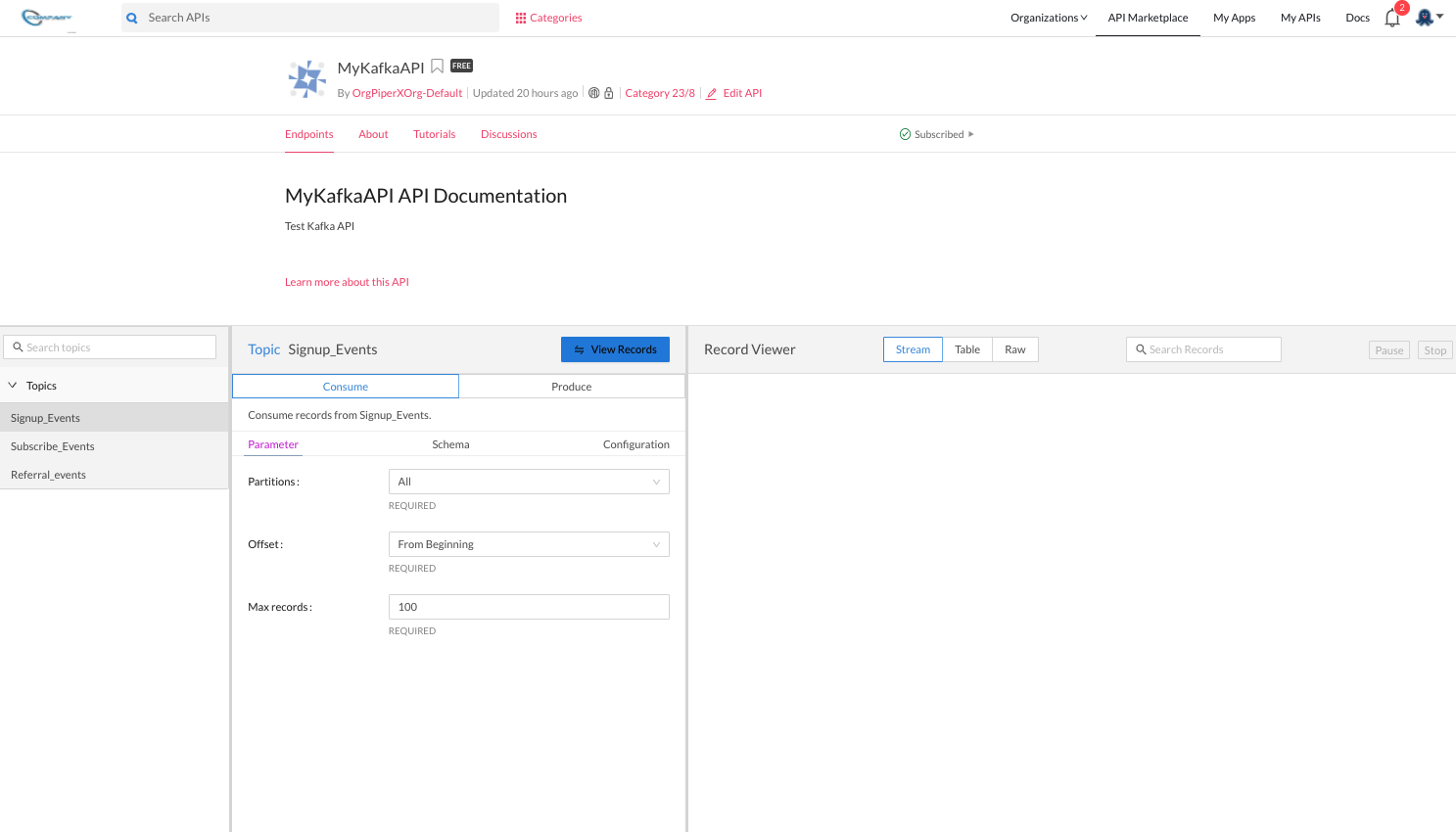
    RapidAPI announced it has added support for the open source Kafka messaging software as another type of application programming interface (API) that DevOps teams can centrally access.

    An open source library provided by RapidAPI, available in beta, makes it possible to discover Kafka clusters and topics, view schemas and test and consume records from a browser via either the RapidAPI Marketplace or the RapidAPI Enterprise Hub. The library is based on Apache Avro and Confluent wire formats found in the open source confluent-schema-registry library. RapidAPI extended that library to add support for JSON and a protocol buffer, which is now being shared with the open source Kafka community.

    RapidAPI CEO Iddo Gino said DevOps teams can now discover all available Kafka clusters and instances in the same location where they find, test and connect to microservices based on REST, SOAP and GraphQL APIs. That effort is designed to complement initiatives, such as the AsyncAPI specification, that is now being advanced under the auspices of the Linux Foundation, Gino noted.

    RapidAPI is adding this capability because usage of Kafka to enable asynchronous communication across event-driven applications has significantly increased, Gino said. As the number of digital business transformation initiatives increased in the wake of the COVID-19 pandemic, Gino said reliance on asynchronous messaging platforms such as Kafka became a requirement. In many cases, synchronous communications across highly distributed applications simply isn’t feasible, Gino added.

    That doesn’t mean asynchronous requirements will replace the need for traditional synchronous APIs. Rather, developers will find themselves incorporating a greater mix of both as enterprise IT environments become more distributed, noted Gino. Applications are increasingly become one large puzzle that developers need to construct using various classes of APIs, added Gino.

    The library created by RapidAPI is expected to be generally available in the third quarter. In the meantime, adoption of Kafka continues to accelerate. The open source community that oversees development of Kafka, under the auspices of the Apache Software Foundation, claims more than 80% of all Fortune 100 companies are using the platform for everything from constructing data pipelines to running streaming analytics applications. In some cases, data is being queried directly while in transit versus waiting for it to be stored on-premises or in the cloud.

    Regardless of how Kafka is employed, developers are rediscovering event-driven architectures, that can trace their lineage to the 1980s, for building applications. The difference now is there an open source framework for handling the asynchronous communications required to build and deploy those applications at scale.

    It’s not quite clear how the rise of event-driven applications will impact DevOps workflows, as event-driven applications become more commonly built and deployed. However, as the APIs become more widely employed within the context of these applications, it should become simpler to incorporate them.

    The challenge is event-driven architectures typically requires developers to think differently about how their applications are structured, so it might be a while before Kafka – and other similar platforms – are pervasively employed across the enterprise.

  • Okta Adds Free Developer Edition to AppSec Service

    Okta Adds Free Developer Edition to AppSec Service

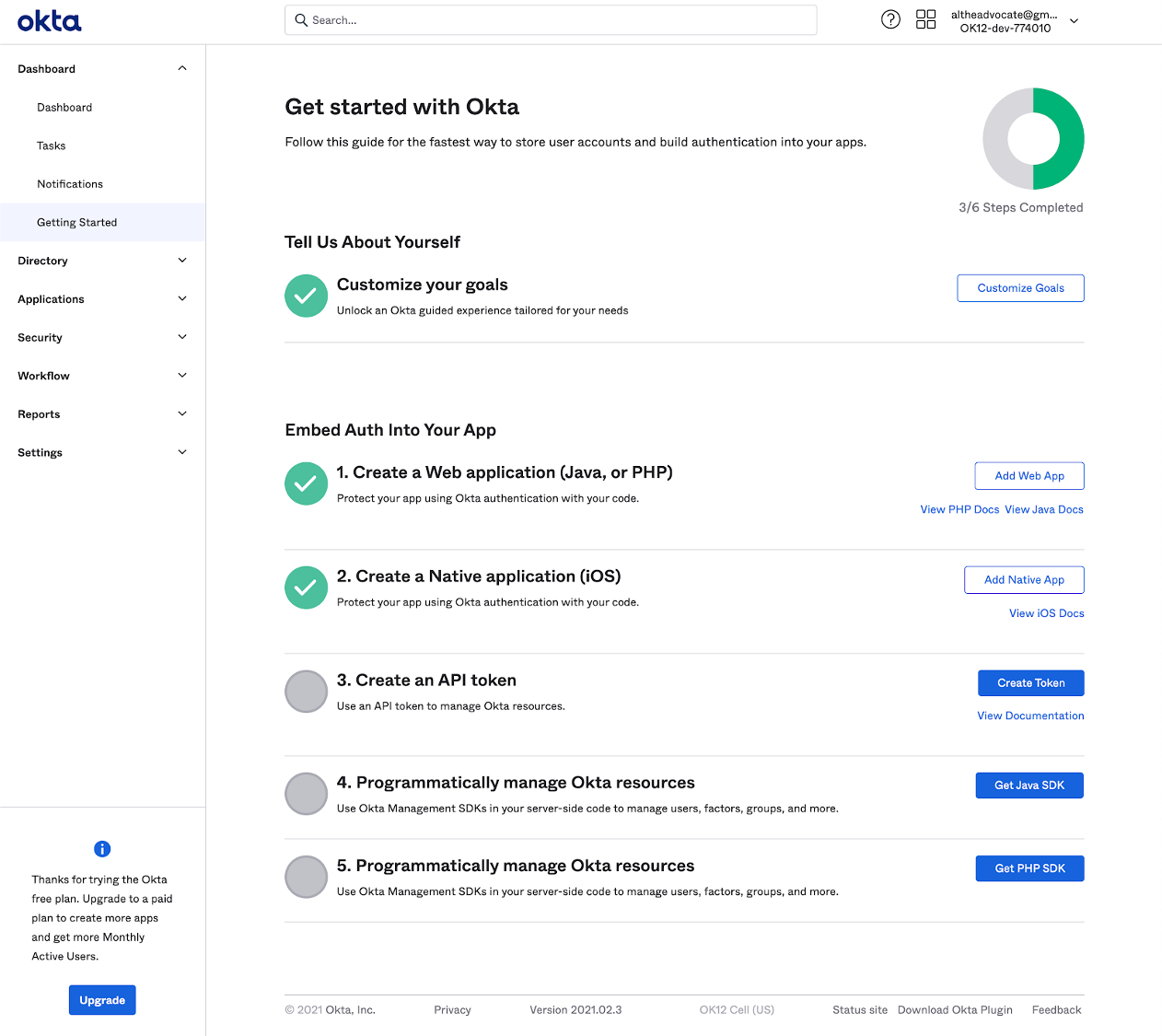
    Okta this week lowered the barrier to adoption of DevSecOps best practices by making available an Okta Starter Developer Edition to enable developers to embed Okta authentication, authorization and user management capabilities into applications at no cost for up to 15,000 monthly active users.

    Randall Degges, head of developer advocacy for Okta, said interest in identity management among developers is rising as a method for implementing zero-trust initiatives that better secure application environments. Rather than having to embed and maintain authentication and authorization themselves Okta is making a case for developers to invoke an application programming interface (API) to access a service that provides those capabilities on demand, noted Degges.

    The Okta Starter Developer Edition, announced at an online Oktane21 event, reduces the friction developers encounter as they look to embed identity management capabilities, such as multifactor authentication, into their applications, Degges said. Developers can, for example, access enhanced documentation and sample applications as well as new integrations with Kong, Heroku and Terraform platforms and tools, alongside integrations with multiple continuous integration and continuous delivery (CI/CD) platforms.

    In general, Degges said, the shifting of responsibility left toward developers is happening at a much faster rate because the level of appreciation for security among developers is now a lot higher. Identity management capabilities are simply another API that developers can now invoke as part of a DevOps workflow, noted Degges.

    The Okta Starter Developer Edition comes on the heels of the announcement of the acquisition of Auth0, a provider of authentication and authorization services that can be easily embedded within an application. That $6.5 billion deal, however, is not expected to close until summer.

    In the meantime, Okta is moving forward with the Okta Starter Developer Edition that could eventually create a large pool of applications that will one day consume Okta services for a fee as they scale. The more applications an organization deploys, the more likely it becomes that they will have more than 15,000 active users per month.

    In the meantime, the level of experimentation involving digital business transformation initiatives is likely to increase. Developers will be able to demonstrate to their often skeptical cybersecurity counterparts that their concerns have been addressed before an application is deployed in a production environment.

    It’s not clear what impact access to initially free identity management services might have on the adoption of DevSecOps best practices. In many cases, developers will take advantage of a service like Okta simply to address a requirement. Their appreciation for how that service fits within the context of a larger DevSecOps workflow might not be all that high.

    Nevertheless, the state of application security should improve in the months and years ahead. In fact, some developers may opt to update existing applications that, at present, do not meet zero-trust requirements to take advantage of identity management services that can be invoked via an API. Alternatively, the may also decide to replace authentication capabilities that are challenging for them to maintain and update with an API that calls a service. Regardless of the path forward, the historic divide between developers and cybersecurity teams appears to be finally narrowing.

  • How Low-CodeOps Can Transform DevOps

    How Low-CodeOps Can Transform DevOps

    Over the past year, enterprise adoption of low-code software development platforms surged across the world economy as COVID-19’s economic consequences drove an unprecedented number of digital initiatives. Enterprises are turning to low-code platforms to rapidly build new apps that empower customers, remote workers and external end users conducting business operations or pivoting to new opportunities.

    Accelerating software development, however, only solves half the puzzle of a digital-first approach. Quickly getting solutions into users’ hands requires careful planning to determine how these new applications will function within the organization’s overall software operations strategy. This is often conducted across multiple cloud deployments.

    But the real prize comes when low-code’s underlying principles of automation and abstraction are extended into the DevOps domain of software maintenance and management. The ability to push out a continuous pipeline of software updates with the click of mouse, with streamlined testing and quality assurance, requires a platform that automates myriad, time-consuming tasks associated with building, testing, releasing and maintaining applications in an enterprise-grade production environment. This inevitably leads to the concept of “low-code operations;” or, to coin a phrase, “Low-CodeOps.”

    Indeed, unless the benefits of abstraction and automation — in this case, primarily speed — extend to operations and deployment, the real benefits of low-code development are elusive. A platform that lets you build an app in six days but requires six months to deploy is no solution at all.

    Harnessing the Cloud for Game-Changing Results

    To witness the vital role seamless cloud operations played in business innovation, look no further than biotech giant Moderna and its success in Operation Warp Speed. Moderna used the public cloud to pull together geographically dispersed collaborators, integrate scientific insights and refine its production cycle, enabling the company to deliver its first batch of mRNA vaccine samples a mere 42 days after the COVID-19 virus genome was sequenced. The time-to-value for this solution was definitely warp speed.

    And, it’s safe to assume, expensive. Cloud engineers and DevOps system administrators are highly skilled specialists who roll up their sleeves at 2 a.m. to fix unexpected glitches buried deep in the connected ecosystem of software operations. They figure out how to make the software actually run. Enterprises, no doubt, wish they could hire more of them.

    But the same shortage of skilled IT professionals that fueled today’s demand for low-code software development also impacts DevOps. In this case, the same low-code platform is the solution, empowering a wider cross-functional, collaborative team to reduce operational burdens — in a word, Low-CodeOps.

    Essential Features of Low-CodeOps

    To achieve a frictionless handoff when moving applications and data to the cloud, a production environment leveraging low-code principles will deliver on these key principles of low-code operations:

    Performance monitoring: Daily monitoring and log checks of platform infrastructure are the backbone of modern DevOps operations, ensuring that complex interdependencies are running smoothly. Automated dashboard monitoring can transform hours spent on these repetitive tasks into opportunities for engineering teams to focus on innovation, while still ensuring the health and performance of enterprise software portfolios. The tooling needs to enable automated end-to-end visibility into application workloads and performance characteristics of upstream and downstream services.

    Compliance: Every economic sector is subject to specific government regulations. Software platforms and DevOp teams must keep track of every requirement when integrating new functionality into software upgrades. Banking customers must deploy digital solutions on infrastructure that’s earned ISO/IEC 27001 certification. Healthcare solutions must conform to federally mandated HIPAA requirements. Defense contractors must be FedRAMP certified. Data—the lynchpin of any digital solution—is subject to privacy laws that differ across nations and borders. Imagine having to manually recheck every iteration of your application deployments for compliance. Luckily, low-code operations mean having an automated, system-wide compliance framework in place. This makes short work of service organization (SOC) audits and reporting.

    Security: Cyberattacks that lead to system outages and disruptions are a growing concern in our digitally connected world. Well-resourced cloud giants are not exempt from damaging cyberattacks, such as last year’s SolarWinds hack. Resilience is key. Ongoing security scanning can halt automatic software deployments when suspicious changes are detected. Prevention is always best. Monitoring tools identify vulnerabilities, enabling systems to quickly come back online and help prevent outages that can last for hours or days.

    Infrastructure independence: Widespread enterprise adoption of multi-cloud and hybrid cloud for operational efficiencies has made flexible infrastructure the new standard. Organizations are bypassing single-vendor lock-in to spread workloads across multiple cloud partners. That means DevOps needs streamlined configuration and management tools that can track relationships between resources and keep track of compliance issues. Geopolitical considerations may enter the equation when cloud providers turn out to have close ties with governments antagonistic to other global trading partners. Monitoring instruments that provide observability across the range of vendors consuming enterprise data and applications is mission-critical.

    Resilience: Snafus happen. Platforms can automate continuous domain-level metrics to correlate performance from different sources (including logs, metrics, application tracing and outside penetration testing), speeding up detection and response time. Fast auditing and debugging tools, combined with real-time dashboard monitoring and system-wide alerts, plus an ounce of detection, equals a pound of cure. For agile DevOps teams, reactive firefighting is transformed into resilient firepower.

    Adopting an All-in-One Low-CodeOps Approach

    Low-code’s power to enable frequent iterations of software ideation, creation and deployment may seem contrary to the DevOps mission to minimize risks. However, the same radical abstraction and automation that has made software development faster, higher quality and more accessible to a larger cohort of developers can also reduce the operational burden of landscape management. Every low-code vendor touts the governance features in its platform. But the nuts and bolts of governance require some assembly, including system-wide actionable monitoring, testing alerts and compliance safeguards. Low-CodeOps combines the most efficient, agile, flexible development platform and powerful, streamlined operations tools, infusing both domains with solid guardrails for operational control and predictability. Adopting this approach will greatly increase time-to-value for enterprises, putting innovative digital solutions directly into the hands of end-users with the click of a mouse.

  • Continuous Testing: The Quest for Quality at Speed

    Continuous Testing: The Quest for Quality at Speed

    The DevOps goal to reduce lead times by accelerating software deliveries presents a serious challenge for assuring the quality of the software that is delivered. As I indicated In my SlideShare post, “The Quest for Quality at Speed,” testing activities span end-to-end software value streams and often account for more than 50% of bottlenecks.

    The answer to these DevOps testing challenges is referred to as continuous testing (CT), which is more than simply automating tests. My blueprint for continuous testing identifies eight pillars of practices, each with strategies to reduce bottlenecks. In this article, I enumerate the strategies for each of the eight pillars of continuous testing and explain how to approach implementation for greater adoption of CT across an organization.

    Continuous Testing Pillars

    Continuous Testing Tenets

    There are five tenets which are guiding principles that enable continuous testing:
    • Shift Left: Conduct each test as early in the pipeline as possible.
    • Fail Early: Arrange the tests so the most likely problems are found during the earliest possible stage in the DevOps pipeline.
    • Fail Often: Run tests frequently and with many different conditions.
    • Test Fast: Arrange tests to run in quick cycles.
    • Be Relevant: Focus on the most important tests and results.

    Leadership and Culture

    Leadership and culture practices have a major impact on influencing behaviors and habits of everyone involved in testing across the DevOps value stream. Bottlenecks to CT include inadequate funding of testing due to lack of quality vision and goals at the executive level, and bottlenecks caused by distrust and lack of cooperation between Dev, QA and Ops. Executive sponsors need to clarify the definition of quality for the organization, and emphasize quality’s importance. Executives can communicate the vision and goals for quality and establish incentives that foster a culture of collaborative behavior.

    Test Strategies and Plans

    Test strategies and plans are needed to guide testing approaches for each product/service pipeline. Bottlenecks to CT include confusion caused by lack of product/service test strategies, and unplanned testing activities and resources are not included sufficiently in planning process. It is important to establish test coverage standards, test case standards, gate criterion and planning process that include testing requirements. CT strategies include making sure test coverage requirements are defined, all types of tests required are identified, allocate tests that are required at input gates, indicate test results are required at output gates and enforce that test tasks are included in planning backlogs and sprints.

    Test Management

    Test management is needed to coordinate testing resources and test schedules. Bottlenecks to CT include poor utilization of test resources due to lack of visibility and schedule bottlenecks due to lack of coordination of test schedules. It is important to have a database of tests and test resources, and test scheduling tools. CT strategies include version management of tests and resources, an inventory of test resources and dynamic test scheduling.

    Test Automation

    Designing, creating, selecting and executing tests in an automated fashion to get to a verdict as fast as possible is the primary strategy to accelerate testing. Bottlenecks to CT include slow test creation, slow test execution and slow time to realize verdicts. It is important to have effective automation strategies for test design, test creation, test selection, and test execution. CT strategies include test design templates, advanced test creation tools (E.g., TDD, keyword, behavior, model-based), dynamic test selection, tests designed for fast verdicts and horizontal and vertical scaling tests.

    Test Tools

    Test tools are designed to automate specific types of tests and integrate with DevOps platforms through APIs for orchestration, execution and reporting. Bottlenecks to CT include test tools that are not designed to scale, limited test configurations and lack of complete APIs, which make integration with DevOps platforms inefficient and error-prone. It is important to have scalable test tools with good APIs. CT strategies include limiting the selection of test tools to ones that are DevOps-ready or DevOps-native and that have well-defined, stable APIs.

    Test Environment Management

    Scheduling and setting up resources into the needed topologies for running different types of tests for developers and testers can be a major bottleneck if not managed efficiently. Bottlenecks to CT include lack of test resource scheduling, which causes conflicts for resources, manual test setups, which are time consuming, causing long wait times for testing and delayed retesting. It is important to have test resources scheduling, test environment orchestration and resource utilization management. CT strategies include test environment inventory tools, test environment sharing tools, test environment orchestration tools and monitoring test environment utilization.

    Test Results Analysis

    Reporting and analyzing test results can be a major bottleneck after test execution is completed. Bottlenecks to CT include poorly written tests which can report confusing results and that take a lot of time to analyze. It is important to have design standards for test results and test results reporting standards. CT strategies include test verdict design in test cases, common test reporting tools and test analysis tools.

    Steps To Implement Continuous Testing

    Start with one or two services and a small set of critical CT practices, then expand to more services and more advanced CT practices.

    A gap assessment is a great way to determine the current state of CT practices, and will help focus the implementation plan. Given a list of practices from each of the pillars in the continuous test blueprint, a cross-functional team of developers, testers and ops people can assign scores to measure importance and current level of practice to generate a gap score. The combined set of gap scores will give guide and direct current priorities for the CT plan.

    For example, beginning CT priorities could be to establish a strategy sponsor, define quality goals, obtain an inventory of test resources and requirements, put in place version management for tests and test standards, tool selection and test refactoring to match the standards.

    An intermediate CT goal could be to complete tool integrations with DevOps platforms, automate test scheduling, orchestrate test environments and optimize test results reporting.

    With maturity, advanced CT goals could be to put in place advanced test creation strategies, accelerated test execution, automated test environment management and optimize test results analysis.

    What This Means

    Testing activities are typically a major source of bottlenecks that slow the quest for quality at speed. Continuous test strategies that accelerate all aspects of testing can have a major impact on speeding up lead time for continuous delivery of quality software. Implementation strategies that start by applying specific continuous test strategies to a targeted small number of applications, and then expand to more advanced strategies applied to more applications is an effective approach to CT adoption across the organization.

  • Gitpod Revamps Dev Automation Tool

    Gitpod Revamps Dev Automation Tool

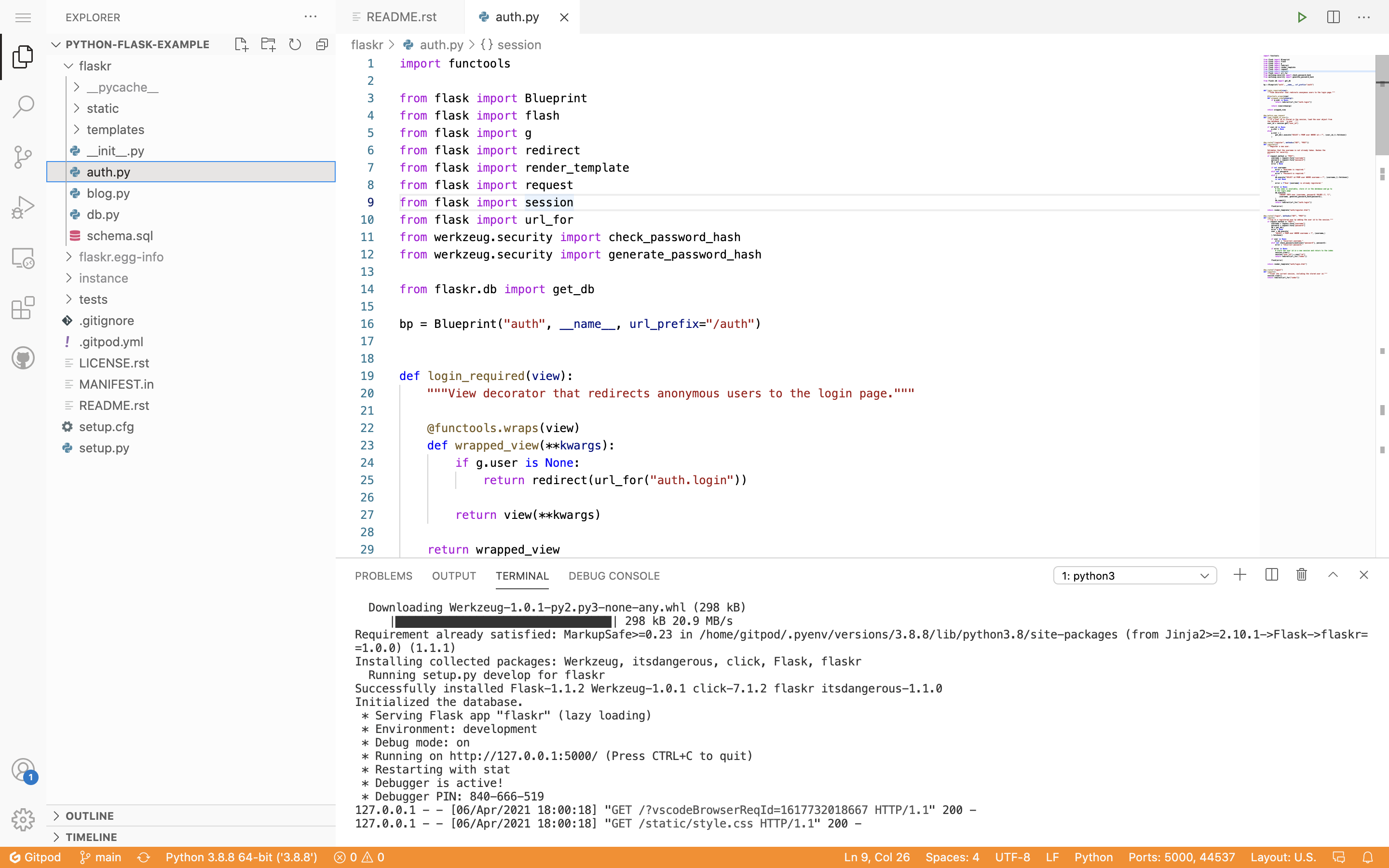
    Gitpod announced today it refreshed the dashboard for its namesake open source tool for automating the deployment of development environments, in addition to making Microsoft VS Code its default tool for editing code.

    In addition, Gitpod has included support for sudo privileges and Docker images using an advanced user namespace to map and limit access to workloads using a built-in Supervisor capability.

    Fresh off raising an additional $13 million in funding, Gitpod CEO Sven Efftinge said now that it’s clear developers will be working from anywhere for the foreseeable future, the need for a tool to automate setting up a developer environment on a local machine outside of an office has become more apparent.

    Gitpod claims there are now more than 350,000 developers using its tool that creates a Kubernetes pod on each developer machine to deploy a complete application development environment, including the integrated development environment (IDE), plugins, compilers, build tools, code generators, databases and application servers. Gitpod makes use of the version control systems provided within, for example, a continuous integration/continuous delivery (CI/CD) platform as the single source of truth for configuring an application development environment.

    The overall goal is to eliminate the time developers waste setting up application development environments so they can write code on their own machines. That approach also makes it simpler for developers to collaborate around the same application development environment regardless of where they happen to be physically located.

    Efftinge said Gitpod provides DevOps teams with a tool to automate setting up development environments across any Git repository that is the equivalent of the Codespaces tool that GitHub recently made available. Rather than having that capability for only one repository, Efftinge noted that most developers work on projects that span multiple types of repositories.

    Automating that process also makes it simpler to align development environments with production environments. One of the reasons why code doesn’t work in a production environment when it is first deployed is because the local development environment has been manually configured in a way that doesn’t accurately reflect the production environment. That issue can become even more problematic when developers are working on multiple projects involving, for example, separate microservices constructed using different repositories.

    In the wake of the COVID-19 pandemic and the acceleration of multiple digital business transformation initiatives there’s naturally a lot more focus on automation and developer productivity. Most developers will be working outside the office for the foreseeable future. Of course, most developers have been writing code outside the office for years. The challenge now is enabling teams of developers to develop applications as efficiently as possible, no matter where they are in the world. In fact, now that development teams have become more distributed, organizations are becoming more comfortable hiring developers wherever they find them.

    Eliminating inefficient manual tasks, such as maintaining development environments, is, of course, going to be a prerequisite for making it possible for those developers to, over time, navigate multiple application development projects without ever having met their colleagues in person.

  • Survey Sees Application Testing Shifting Further Left

    Survey Sees Application Testing Shifting Further Left

    PractiTest, a test management platform provider, published a report today that suggests professional application testers have become more adept at working within DevOps workflows.

    The annual survey of more than 1,000 application testing professionals finds that 80% of all application testing within organizations is being done by test engineers, test leads, testers and automation testers. A full 92% of survey respondents also noted they are working within the context of an agile methodology, while 42% cited DevOps specifically. Half of respondents said they work within the framework of a continuous integration/continuous delivery (CI/CD) platform.

    Significantly, more than half of respondents (59%) said testing is shifting left within their organization, but only a third (33%) said programmers participate in the testing process.

    PractiTest CEO Yaniv Iny said that level of DevOps inclusion suggests that, rather than shifting testing completely left on to the shoulders of application developers, a more nuanced approach to application testing is taking hold as professional testers learn to work within the sprints that make up a DevOps workflow. A full 90% of respondents said testing has become more automated within their quality assurance (QA) processes.

    By now, most application testers have come to terms with automation and, increasingly, AI, said Iny. The assumption now is that large swaths of the testing process will be automated, Iny added. A full 97% of respondents said that functional testing automation was either important or very important for them to succeed, while 96% said test automation patterns, principles and practices are also critical.

    Usage of behavior-driven development (BDD) as a testing model has also increased, with 27% of organizations now employing it to go beyond simply testing functions.

    However, the survey also found that, instead of automation decreasing the size of testing teams, those teams are getting larger. The number of organizations with 16 or more testers increased by 10% to 34% compared to a year ago. That suggests organizations are launching either more complex application development projects or launching multiple projects at the same time as they embrace digital business transformation initiatives, Iny said.

    The survey found nearly 70% of respondents have at least five years of experience. Nearly three-quarters (71%) of respondents reported that their income was not affected by the economic downturn brought on by the COVID-19 pandemic. However, nearly half of respondents (54%) reported that they were concerned about job stability, an increase of more than 30% from a year ago.

    The pandemic did change the way testers acquire new skills. The number of testers reporting that they attended online conferences, meetups and seminars increased to just under half (49.5%), up from 40.5% in 2019. Participation in online communities and forums grew to 44%, while only a third of respondents receiving any kind of formal training.

    Testing professionals with five to 10 years of experience earned an average salary of $89,000 in North America, which compares to $76,000 in Australia/New Zealand, the survey also found.

    Application testing as a distinct discipline doesn’t appear to be fading away anytime soon. Rather, organizations appear to be investing even more in testing to deliver higher-quality applications.

  • Tasktop Adds Dashboard to Surface VSM Insights

    Tasktop Adds Dashboard to Surface VSM Insights

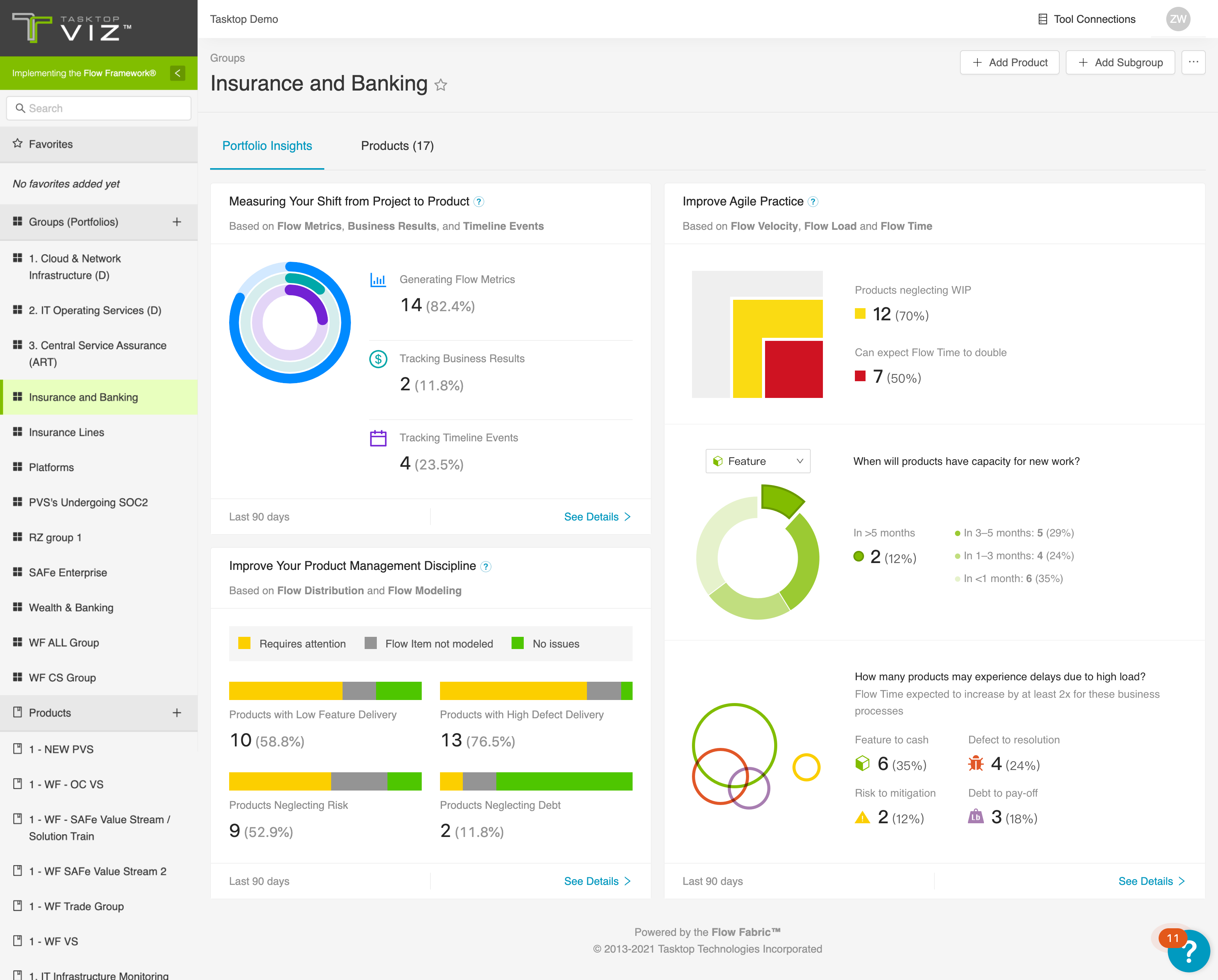
    Tasktop today unveiled a dashboard that it promises will simplify tracking of key performance indicators (KPIs) spanning multiple projects.

    In addition, the value stream management (VSM) platform provider revealed it has garnered an additional $100 million in funding.

    Tasktop CEO Mik Kersten said the Tasktop Viz VSM Portfolio Insights dashboard makes it simpler to surface the insights that the company’s VSM platform aggregates as it collects metrics and analytic data from the tools and platforms that make up a DevOps workflow.

    Organizations are then better able to determine the impact any change to the rate at which an application is being developed will have on the business, noted Kersten. IT and business leaders can also more easily identify how constrained resources or persistent quality control issues might be adversely impacting those business goals, added Kersten.

    As a DevOps discipline, VSM is still relatively new. However, Tasktop claims more than half of the Fortune 100 employ its VSM platform. Customers include BMW, CGI, E*Trade and T-Mobile. Despite the economic downturn brought on by the COVID-19 pandemic, the company reports it saw a 30% increase in revenues driven mainly by organizations that have accelerated multiple digital business transformation initiatives. A recent Forrester Consulting Total Economic Impact Study indicated organizations realize a potential 640% return on investment over a three period after implementing the Tasktop VSM platform.

    Tasktop is also a founding member of the Value Stream Management Consortium, which is seeking to promote adoption of VSM platforms to close the divide that often exists between individual DevOps projects and the strategic business goals of an organization.

    The concept of value stream management traces its lineage back to lean manufacturing methods, which called for each step of a manufacturing process to be continuously measured. As software development has evolved from being a craft to a process that is automated as much as possible using DevOps best practices, the need to monitor the impact of, for example, missed software development deadlines on the business has become more acute as organizations appreciate just how dependent they are on software.

    VSM platforms automatically take technical metrics, gathered via a DevOps process, and match them to a set of key performance indicators (KPIs) defined by business leaders. The challenge many organizations still face is, first, making sure they have the tools in place to collect the appropriate technical metrics and then identifying the KPIs that truly matter to the business. Once those metrics are gathered and KPIs established, organizations are able to apply advanced analytics to optimize allocation of resources that include people, platforms and processes, noted Kersten.

    It may be a while before VSM becomes pervasively applied with organizations. However, those organizations that find a way to consistently deliver quality applications, on time, that have a greater impact on the business will inevitably start to outperform rivals. The challenge and the opportunity is to bring a level of discipline to bear that ensures that goal is always achieved.