Category: Features

  • Sonatype Report Shows Spike in Supply Chain Attacks

    Sonatype Report Shows Spike in Supply Chain Attacks

    Sonatype today released a report that finds there has been a 650% year-over-year increase in supply chain attacks aimed at upstream public repositories. Cybercriminals hope to compromise these repositories by injecting malware into software components that many organizations might be using, according to the report.

    The seventh annual State of the Software Supply Chain Report is based on an analysis of 100,000 applications and 4 million component migrations made in the last month alongside a survey of 702 software engineering professionals. Specifically, the report focuses on demand and security trends associated with the Java (Maven Central), JavaScript (npmjs), Python (PyPI) and .Net (nuget) ecosystems. The top four open source ecosystems now contain a combined 37,451,682 different versions of components, a nearly 20% increase year-over-year.

    Over the course of 2021, developers also downloaded more than 2.2 trillion open source packages from the top four ecosystems, a 73% increase over the prior year.

    However, despite the huge available supply of open source software, use of this software is primarily concentrated in a small number of popular projects. Production applications are only using 6% of available open source projects.

    Not surprisingly, popular projects are more vulnerable to compromise. A total of 29% of popular project versions contain at least one known security vulnerability. Conversely, only 6.5% of projects that are not widely used have vulnerabilities.

    Stephen Magill, vice president of product innovation for Sonatype, said popular open source projects tend to have better security practices in place because of the larger number of maintainers and contributors working on the project. The paradox is that less-popular open source software is not likely to be targeted by cybercriminals who tend to focus on targets that represent the best chance to infect downstream applications, said Magill. Popular open source projects were 2.8 times more likely to contain vulnerabilities, the report found.

    Projects with a faster mean-time-to-update (MTTU) are also generally more secure. They are 1.8 times less likely to have vulnerabilities, the survey found.

    The report also found developers make suboptimal choices 69% of the time when updating third-party dependencies, even when newer versions of projects are generally available. Developers may be avoiding those updates because they may be perceived to be not as stable as they would like. However, those updates generally contain the latest security patches needed to address a recently discovered vulnerability. Commercial engineering teams only manage 25% of the components they use, leaving the majority of their open source dependencies stale and susceptible to increased security risks, the report found.

    Finally, the report suggested there is a greater need for automation. Equipped with intelligent automation, a medium-sized enterprise with 20 application development teams would save a total of 160 developer days a year. Sonatype estimated that could save organizations $192,000 a year.

    In general, Magill noted that the security of software supply chains should continue to improve in the wake of an executive order issued by President Biden. In the meantime, however, most organizations would be well-advised to start reviewing the components and dependencies that make up their software supply chain sooner rather than later. After all, chances are good that cybercriminals are already doing much the same thing.

  • DevOps Dozen² Awards 2021 Nominations Now Open

    DevOps Dozen² Awards 2021 Nominations Now Open

    The DevOps Dozen² Awards are back and open for nominations. This past year has been quite a journey and we are very proud of the DevOps community in their ability to pivot, innovate, adapt and think ahead in these challenging times. Some outstanding leaders and vendors have worked nonstop to reach their goals and achieve the highest level of success. We are thrilled to celebrate their hard work and achievements.

    The DevOps Dozen² Awards honor the most dedicated and inspiring thought leaders and innovators who have made significant contributions to the community. For the second year, we have expanded our awards program to include two different DevOps Dozen sections: DevOps Dozen Tools and Services Awards and the DevOps Dozen Community Awards.

    There are 12 awards for each section:

    • DevOps Dozen Tools and Services Awards — Recognizing the companies that develop and deliver outstanding solutions to empower developers, DevOps and IT operations teams.
    • DevOps Dozen Community Awards — Honoring the leaders who have made a positive impact in the DevOps community.

    Nominations are made by the audience. Anyone can nominate a tool or service, although there is a $250 entry fee for the Tools and Services Awards nominations. We implemented this fee last year to cut down on spam and superfluous nominations. However, there is no fee for Community Awards nominations. Please note that commercial tools and services are not eligible for the Community Awards and will not make it through to the finals.

    Finalists will be selected and winners will be chosen from among the finalists. The finalists will be determined by general public voting (weighted for 40% of the final total) and our judges’ selections (weighted for 60% of the final total).

    The last day to submit your nominations is October 22. To vote, follow the steps outlined on the DevOps Dozen² website.

    Who Are the DevOps Dozen² Judges?

    The following DevOps experts make up the DevOps Dozen² Awards 2021 panel of judges, and will review the submissions made by the public and choose the winners:

    • Alan Shimel, founder, CEO and editor-in-chief at MediaOps
    • Jayne Groll, co-founder and CEO at the DevOps Institute
    • Mitch Ashley, founder and CEO at Accelerated Strategies Group
    • John Willis, senior director of the Global Transformation Office at Red Hat
    • Helen Beal, chief ambassador at DevOps Institute and ambassador at Continuous Delivery Foundation

    The 2021 DevOps Dozen² Categories

    DevOps Dozen Tools and Services Awards

    • Best End-to-End DevOps Tool/Service

    Consolidation in the DevOps space has led to a greater selection of platforms offering end-to-end solutions. This award honors the platform with the most diverse and robust solution for DevOps teams.

    • Best DevOps Repo/GitOps Tool/Service

    Git has led to GitOps and it has become an integral part of the DevOps toolbox. This award is presented to the most outstanding Repo/Git/GitOps tool.

    • Best CI/CD Tool

    This award recognizes the best CI/CD tool that helps teams to deliver quality code better.

    • Best Value Stream Management Tool

    Value stream management has come into its own as an important tool for measuring the business value of DevOps and application development. This award recognizes the value stream management tool that most effectively helps visualize the value stream, track metrics and measure improvement.

    • Best Observability Solution

    This award recognizes the best observability solution for observing and monitoring to understand the performance of individual components and systems and entire applications.

    • Best DevSecOps Solution

    This award honors the best DevSecOps solution, which enables security to be included earlier and continuously throughout the SDLC.

    • Best Testing Service/Tool

    Testing is a mainstay in the DevOps toolchain. This award recognizes the best testing tool for ensuring the quality of code.

    • Best Kubernetes Platform/Service

    The adoption of containers has paved the way for an entire solutions ecosystem supporting and enhancing the container technology. Kubernetes is perhaps the most widely recognized and utilized tool in the space. There are many platforms and services that offer Kubernetes-based solutions. This award honors the best Kubernetes platform/service available.

    • Best Cloud-Native Security Solution/Service

    The cloud-native movement has taken the IT world by storm due to the depth and breadth of the solutions available and the benefits of building applications and services specifically for cloud-native environments. This award recognizes the best tools, solutions and services considered cloud-native.

    • Best DevOps for Mainframe Solution
      Mainframes are far from being the dinosaur of the IT world, and a variety of solutions are available for enabling DevOps practices in mainframe environments and hybrid environments. This award recognizes the best of them.
    • Best DevOps for DataOps/Database Solution
      Databases often have been left out of the DevOps conversation, but that is changing. The whole concept of DataOps is gaining greater traction. This award recognizes the best solution in the database for DevOps and DataOps categories.
    • Best New DevOps Tool/Service Provider
      This award recognizes the best new service provider or tool that has brought innovation to the DevOps space in the past year (must be less than 24 months old).

    DevOps Dozen Community Awards

    • Best DevOps Industry Implementation
      This award honors organizations that have successfully adopted and implemented DevOps principles and practices.
    • Best DevOps Survey/Analysis/Research
      This award recognizes research that has significantly and positively impacted the DevOps community.
    • Best DevOps-Related Video Series (video)
      This category highlights the most entertaining, educational and inspirational DevOps video series—those with the most engaging and highest-quality content.
    • Best DevOps-Related Audio Podcast Series
      Which is your favorite DevOps podcast from this year? This category celebrates the many great DevOps podcasts sparking some interesting discussions on a multitude of topics from CI/CD and testing to DevSecOps, Kubernetes, containers and more.
    • Best DevOps Book/eBook of the Year
      Each year sees a plethora of well-crafted DevOps-related books and ebooks. This category highlights the most popular and best read of the year.
    • Top DevOps Evangelist
      This category is one of our favorites. There are so many great evangelists who spread the DevOps gospel and we want to know who does it best. Nominees can work within the DevOps space or outside of it.
    • Best DevOps Transformation (non-vendor)
      In a year in which digital transformation became a must-have for survival, we want to know which organizations stood out in their efforts to transform their business through DevOps.
    • Best DevOps Virtual Event of the Year
      COVID-19 has changed the game when it comes to hosting events. In 2021, virtual events remain the norm, reaching a global audience while everyone stays safe at home. Which DevOps virtual event stands out from the others?
    • Most Innovative DevOps Open Source Project
      Open source projects are meant to promote innovation and increase efficiency, velocity and quality. While there are many great open source projects out there, the best ones are those that create a community of people who work on and with the technology and support each other.
    • DevOps Executive of the Year (non-vendor) This category celebrates excellence among DevOps leaders at the C-suite (or equivalent) levels.
    • Best DevOps Presentation of the Year
      This category recognizes the best DevOps-themed presentation from the many (virtual) conferences during the year.
    • Best DevOps.com Article of the Year
      DevOps.com publishes multiple new articles every day. Which was the best article from 2021? Let us know so we can recognize the author.

    All the solutions nominated to the Tools and Services Awards will automatically be registered into the DevOps Tools Guide authored by MediaOps and Accelerated Strategies Group. This initiative is our effort to create a comprehensive listing of tools and tools vendors to help end users better understand the DevOps market landscape.

    Choosing a winner is difficult when there are so many talented and inspiring leaders doing an incredible job to empower and support our community. Although not everyone can win an award, being nominated says a lot about each and every one of you. We greatly appreciate your dedication and service to the DevOps community.

    For more information, please visit the DevOps Dozen² website. If you have any questions regarding entry process, awards, timing or any technical issues regarding the website, please contact us at DD@devops.com.

    Alan Shimel

    CEO, MediaOps

  • DevOps Dozen² Awards 2021 Nominations Now Open

    DevOps Dozen² Awards 2021 Nominations Now Open

    The DevOps Dozen² Awards are back and open for nominations. This past year has been quite a journey and we are very proud of the DevOps community in their ability to pivot, innovate, adapt and think ahead in these challenging times. Some outstanding leaders and vendors have worked nonstop to reach their goals and achieve the highest level of success. We are thrilled to celebrate their hard work and achievements.

    The DevOps Dozen² Awards honor the most dedicated and inspiring thought leaders and innovators who have made significant contributions to the community. For the second year, we have expanded our awards program to include two different DevOps Dozen sections: DevOps Dozen Tools and Services Awards and the DevOps Dozen Community Awards.

    There are 12 awards for each section:

    • DevOps Dozen Tools and Services Awards — Recognizing the companies that develop and deliver outstanding solutions to empower developers, DevOps and IT operations teams.
    • DevOps Dozen Community Awards — Honoring the leaders who have made a positive impact in the DevOps community.

    Nominations are made by the audience. Anyone can nominate a tool or service, although there is a $250 entry fee for the Tools and Services Awards nominations. We implemented this fee last year to cut down on spam and superfluous nominations. However, there is no fee for Community Awards nominations. Please note that commercial tools and services are not eligible for the Community Awards and will not make it through to the finals.

    Finalists will be selected and winners will be chosen from among the finalists. The finalists will be determined by general public voting (weighted for 40% of the final total) and our judges’ selections (weighted for 60% of the final total).

    The last day to submit your nominations is October 22. To vote, follow the steps outlined on the DevOps Dozen² website.

    Who Are the DevOps Dozen² Judges?

    The following DevOps experts make up the DevOps Dozen² Awards 2021 panel of judges, and will review the submissions made by the public and choose the winners:

    • Alan Shimel, founder, CEO and editor-in-chief at MediaOps
    • Jayne Groll, co-founder and CEO at the DevOps Institute
    • Mitch Ashley, founder and CEO at Accelerated Strategies Group
    • John Willis, senior director of the Global Transformation Office at Red Hat
    • Helen Beal, chief ambassador at DevOps Institute and ambassador at Continuous Delivery Foundation

    The 2021 DevOps Dozen² Categories

    DevOps Dozen Tools and Services Awards

    • Best End-to-End DevOps Tool/Service
      Consolidation in the DevOps space has led to a greater selection of platforms offering end-to-end solutions. This award honors the platform with the most diverse and robust solution for DevOps teams.
    • Best DevOps Repo/GitOps Tool/Service
      Git has led to GitOps and it has become an integral part of the DevOps toolbox. This award is presented to the most outstanding Repo/Git/GitOps tool.
    • Best CI/CD Tool
      This award recognizes the best CI/CD tool that helps teams to deliver quality code better.
    • Best Value Stream Management Tool
      Value stream management has come into its own as an important tool for measuring the business value of DevOps and application development. This award recognizes the value stream management tool that most effectively helps visualize the value stream, track metrics and measure improvement.
    • Best Observability Solution
      This award recognizes the best observability solution for observing and monitoring to understand the performance of individual components and systems and entire applications.
    • Best DevSecOps Solution
      This award honors the best DevSecOps solution, which enables security to be included earlier and continuously throughout the SDLC.
    • Best Testing Service/Tool
      Testing is a mainstay in the DevOps toolchain. This award recognizes the best testing tool for ensuring the quality of code.
    • Best Kubernetes Platform/Service
      The adoption of containers has paved the way for an entire solutions ecosystem supporting and enhancing the container technology. Kubernetes is perhaps the most widely recognized and utilized tool in the space. There are many platforms and services that offer Kubernetes-based solutions. This award honors the best Kubernetes platform/service available.
    • Best Cloud-Native Security Solution/Service
      The cloud-native movement has taken the IT world by storm due to the depth and breadth of the solutions available and the benefits of building applications and services specifically for cloud-native environments. This award recognizes the best tools, solutions and services considered cloud-native.
    • Best DevOps for Mainframe Solution
      Mainframes are far from being the dinosaur of the IT world, and a variety of solutions are available for enabling DevOps practices in mainframe environments and hybrid environments. This award recognizes the best of them.
    • Best DevOps for DataOps/Database Solution
      Databases often have been left out of the DevOps conversation, but that is changing. The whole concept of DataOps is gaining greater traction. This award recognizes the best solution in the database for DevOps and DataOps categories. 
    • Best New DevOps Tool/Service Provider
      This award recognizes the best new service provider or tool that has brought innovation to the DevOps space in the past year (must be less than 24 months old).

    DevOps Dozen Community Awards

    • Best DevOps Industry Implementation
      This award honors organizations that have successfully adopted and implemented DevOps principles and practices.
    • Best DevOps Survey/Analysis/Research
      This award recognizes research that has significantly and positively impacted the DevOps community.
    • Best DevOps-Related Video Series (video)
      This category highlights the most entertaining, educational and inspirational DevOps video series—those with the most engaging and highest-quality content.
    • Best DevOps-Related Audio Podcast Series
      Which is your favorite DevOps podcast from this year? This category celebrates the many great DevOps podcasts sparking some interesting discussions on a multitude of topics from CI/CD and testing to DevSecOps, Kubernetes, containers and more.
    • Best DevOps Book/eBook of the Year
      Each year sees a plethora of well-crafted DevOps-related books and ebooks. This category highlights the most popular and best read of the year.
    • Top DevOps Evangelist
      This category is one of our favorites. There are so many great evangelists who spread the DevOps gospel and we want to know who does it best. Nominees can work within the DevOps space or outside of it.
    • Best DevOps Transformation (non-vendor)
      In a year in which digital transformation became a must-have for survival, we want to know which organizations stood out in their efforts to transform their business through DevOps.
    • Best DevOps Virtual Event of the Year
      COVID-19 has changed the game when it comes to hosting events. In 2021, virtual events remain the norm, reaching a global audience while everyone stays safe at home. Which DevOps virtual event stands out from the others?
    • Most Innovative DevOps Open Source Project
      Open source projects are meant to promote innovation and increase efficiency, velocity and quality. While there are many great open source projects out there, the best ones are those that create a community of people who work on and with the technology and support each other.
    • DevOps Executive of the Year (non-vendor)
      This category celebrates excellence among DevOps leaders at the C-suite (or equivalent) levels.
    • Best DevOps Presentation of the Year
      This category recognizes the best DevOps-themed presentation from the many (virtual) conferences during the year. 
    • Best DevOps.com Article of the Year
      DevOps.com publishes multiple new articles every day. Which was the best article from 2021? Let us know so we can recognize the author.

    All the solutions nominated to the Tools and Services Awards will automatically be registered into the DevOps Tools Guide authored by Techstrong Group. This initiative is our effort to create a comprehensive listing of tools and tools vendors to help end users better understand the DevOps market landscape.

    Choosing a winner is difficult when there are so many talented and inspiring leaders doing an incredible job to empower and support our community. Although not everyone can win an award, being nominated says a lot about each and every one of you. We greatly appreciate your dedication and service to the DevOps community.

    For more information, please visit the DevOps Dozen² website. If you have any questions regarding entry process, awards, timing or any technical issues regarding the website, please contact us at DD@devops.com.

  • Meet the New(ish) Pipeline

    Meet the New(ish) Pipeline

    My company keeps a sample project running pretty much all of the time. Our current project (multi-target web/Android app using Java and Spring built with Gradle and Ant that we’ll call “Finder” here) is getting a bit long in the tooth, so we have been casting about for a new one over the last several months. From non-work sources, we came upon the idea of multi-targeted Godot with C# as a viable side project. Moving to a completely different set of tools is kind of the point; it makes us stretch, and that is the idea of our ongoing projects. The stated goals for these projects are:

    1. Stretch knowledge about different languages, DevOps tools and platforms.
    2. Keep doing what you all are doing. Too many pundits have “grown out of” hands-on work, and it shows.
    3. Try out new ideas/architectures.
    4. Avoid “kitchen sink.” We can’t have a current test app that includes all available technologies, so keep it streamlined. Approach this as a production app that we use for testing, not as a test app.

    That’s why we’re looking to replace our Java/Spring project. We’ve got that pipeline down, we’ve tweaked the app until we are happy with the core and it hasn’t changed in a good while. But change is a part of DevOps, so we’re off.

    The Obvious

    Let’s take care of the obvious elements in our toolchain right away:

    1. Git. We’ll use GitHub, but it was a given that some form of Git would be holding our code.
    2. Visual Studio Code. We’re doing C#, so this is going to be the most useful option for code editing. The built-in Godot editor is good and will be used, but VS-Code offers C# functionality add-ons.
    3. Antsle is the deployment tool of choice, though this has changed over the years. We’ll use it to set up install sets for clients.
    4. Jenkins or Hudson. We’re going to use this only for test management.

    The Less Obvious

    There are several constraints we want to (or have to) meet. First, we want to avoid using Jenkins or Ant to control the entire build process, mostly because we’ve done both in previous projects, and most DevOps teams are no longer using these methods for new projects. Second, this is a sample we keep, not an investment, so we want to use open source technology if at all possible, to keep expenses down. Third, we’re using a game engine to do app development. This has some impacts–like most game engines, it is in control at runtime and we need to bundle the engine in the final application.

    1. The Godot Engine. Godot is written as a game platform, but its graphics/cross-platform abilities make it useful for graphics-heavy apps like ours. But we have to include the engine and its config files in the pipeline.
    2. Code Scanning. Static analysis was a late addition to Finder, and it’s in Java. This project is in C# and Godot Script. We have not yet found a tool that supports Godot Script, but C# we can get; it just adds restrictions. So we will use a static analysis tool, but we’re still deciding which.
    3. Build Automation. We’ve used Jenkins, Gradle, Maven and Ant to handle this step at different times in the past, but something newer would be a good idea. We are still evaluating this step. We will likely end up back on one of those tools because they are still used today. Godot is a new element to us, so we are also evaluating what is required to hook into it and make functioning apps in a repeatable process.

    Fueled Innovation

    We’re having fun—first couple sprints have us running a working prototype, so we’re happy with that. There’s still a lot to implement in the app and in the pipeline, so we’ll no doubt have more to say here soon. We’re talking about putting a server component in—not because the original concept needs it, but because our outgoing app—Finder—had server and client sides, and our need for things like Postman go away without this architecture. And yet, API security, testing, etc. is an important part of the DevOps architecture. As you can see, we’re still iterating.

    As to Finder, we normally take down the pipeline for a previous playground project when the new one goes up, but Finder costs us little. There are five containers (three permanent for the app hosting; two for build/test) and some processing power, so we’ll probably keep it since it is using a different set of pipeline tools (and languages—it is mostly Java/JavaScript).

    Meanwhile, you all keep rocking it. We’re building an(other) app that no one but us will ever see—but you are keeping the enterprise humming. Kudos to you!

  • New Relic Survey Shows Greater Appreciation for Observability

    New Relic Survey Shows Greater Appreciation for Observability

    A global survey of 1,300 software engineers, developers, IT leaders and executives found half of respondents (50%) are in the process of implementing an observability platform. Another 23% of respondents said that they cannot gain end-to-end observability at all, while 26% said they believe they have mature observability practices in place. The survey, published today, was conducted by CITE Research on behalf of New Relic.

    The majority (94%) of IT professionals said observability is important for their job role, while nearly three-quarters (74%) said there is still room to grow their observability practice. In fact, 81% of the 450 C-suite executives that participated in the survey said they expect to increase observability budgets in the next year, with 20% expecting those budgets to increase significantly.

    Overall, the survey finds that lack of resources (38%), skills (29%), understanding of the benefits (27%) and strategy (26%) are top barriers to achieving observability.

    Observability, in one form or another, has always been a core tenet of DevOps best practices. Most DevOps teams have relied on monitoring tools to observe a specific process or function. The challenge is those monitoring tools track a pre-defined set of metrics such as resource utilization. Ideally, observability combines metrics, logs and traces—a specialized form of logging—to instrument applications in a way that makes it simpler to troubleshot issues without having to rely solely on a limited set of pre-defined metrics.

    Nearly three-quarters of respondents (72%) noted that IT teams today need to toggle between at least two different tools to manage IT, with 13% having to use more than ten different tools to monitor the health of their systems.

    In contrast, observability platforms make it possible to correlate events across both applications and infrastructure. This capability makes it easier for analytics tools to identify anomalous behavior indicative of the root cause of an IT issue. Armed with these insights, it becomes a lot simpler for IT teams to resolve issues faster.

    The New Relic survey notes that 60% of respondents still monitor telemetry data at the application level, which indicates that a massive amount of valuable telemetry data is largely going unused. A full 91% of IT professionals that responded to the survey noted that observability is critical at every stage of the software life cycle, especially when it comes to planning and IT operations.

    Top benefits cited include faster deployments (27%), more cost-effective use of IT resources (25%), better digital experiences (23%) and improved productivity (22%). The top use cases cited involved digital transformation initiatives (42%) followed by cloud optimization (37%), DevOps processes (36%) and bringing products to market faster (36%).

    Buddy Brewer, group vice president and general manager for New Relic, said observability will become a more pressing issue in IT environments, thanks to the rise of microservices-based applications running on Kubernetes. A full 88% of IT decision-makers New Relic surveyed said they are exploring Kubernetes and containers at some level right now, but only 10% said they have deployed them in a production environment. A total of 40% expect to be in production within three years.

    In general, it’s become critical for IT teams to be able to query data in real-time to resolve issues that are becoming more challenging to resolve at a time when organizations have never been more dependent on IT. Sampling data in the hopes of discovering issues is no longer sufficient, noted Brewer.

    The challenge, of course, is that most IT teams have been using legacy monitoring tools for so long that it’s still hard to imagine there might be a better approach. That doesn’t necessarily mean all those legacy tools will be immediately replaced, but it does mean many of them may simply fade away over time.

    One way or another, most IT teams will soon be able to observe IT environments more deeply. Developers increasingly are taking advantage of open source tools like OpenTelemetry to instrument applications in a way organizations can more easily afford, regardless of whether they fully appreciate the nuances of modern observability versus traditional monitoring.

  • MediaOps, Boca Code Award ‘Engineer the Change’ Scholarship

    MediaOps, Boca Code Award ‘Engineer the Change’ Scholarship

    I am really proud to announce that, in partnership with Boca Code, MediaOps has awarded a scholarship for the Fall 2021 term to the Software Engineering Career Course, a 10-week rigorous and fast-paced coding boot camp from Boca Code. Alina Maliuk, a first-generation immigrant from Ukraine, is the recipient.

    The Engineer the Change scholarship was initiated by MediaOps to help foster diversity in the local tech industry and empower individuals from underserved communities to develop the skills needed to succeed in IT. Boca Code offers comprehensive training in software development to enable course attendees to develop these skills. 

    Need for Diversity in STEM fields

    Research shows a staggering lack of diversity in STEM fields, most noticeably within computer and engineering positions. The tech industry is predominantly white and male, which appalls me (yes, even though I am a white male), and I wanted to do something to encourage more diversity across our industry. Gender and race inequity are glaring workforce disparities that require both recognition and responsibility from those at the highest levels in the tech world to create a more diversified and equitable workforce.

    Two Full Scholarships Awarded Annually

    MediaOps sponsors two $10,000 scholarships each year to enable students to enroll in Boca Code’s flagship Software Engineering Career Course. The full-time, 10-week intensive course combines theory and hands-on, project-based learning to prepare students for a career in software engineering. As part of their coursework, students take on development projects for local businesses, providing the students immediate, hands-on experience with real projects.

    The Engineer the Change scholarships combine two goals that are core to the MediaOps team and me. The first is doing our part to make South Florida a world-class hub for the tech industry. The second is providing opportunities for individuals from disadvantaged communities to acquire the skills they need for a successful career in tech. My hope is that we also serve as an inspiration to other local companies to fund similar programs in support of these worthy goals.

    About Our Winner, Alina Maliuk

    Alina Maliuk scholarship
    Alina Maliuk, Engineer the Change scholarship winner

    Alina hails from Ukraine, where she earned a bachelor’s degree in management. After college, she married and had her first son. During her maternity leave in 2012, her family emigrated to New York. Being first-generation immigrants, they had to start their life here in the United States from scratch. For the first few years, Alina and her husband worked in entry-level jobs. In 2018, now a mother of two, Alina took several online classes in web development and rediscovered her love of learning—particularly software development. Now a resident of Boca Raton, Alina found Boca Code and attended a workshop in web development.

    Alina was energized by that workshop, which furthered the continuing education she had already begun. Through that initial course, the Boca Code team inspired her to go even further. She is ready to move on to her next career, which she wants to be in software engineering. Thanks to the Engineer the Change scholarship, she will now have an opportunity to accelerate her tech career. At the same time, she is demonstrating to other female immigrants in Florida that if you can dream it and work hard to achieve it, you can make it happen.

    Alan Shimel

    CEO, MediaOps

    Additional Resources

  • JFrog Acquires Upswift to Push DevOps to the Edge

    JFrog Acquires Upswift to Push DevOps to the Edge

    JFrog today revealed it has acquired Upswift as part of an effort to extend its DevOps reach to edge computing platforms. Terms of the acquisition were not disclosed.

    Upswift has created agent software that is deployed as a binary file on an edge computing platform that makes it possible to continuously deliver software across a fleet of edge computing devices and platforms. That approach makes it possible for organizations to deploy software regardless of whether the target platform is only running Linux, containers or a virtual machine.

    JFrog CEO Shlomi Ben Haim said the agent software developed by Upswift will be integrated with the continuous integration/continuous delivery (CI/CD) platform created by JFrog to make it easier for organizations to manage the full life cycle of application workloads deployed on edge computing platforms.

    JFrog Upswift

    Organizations that deploy software on edge computing platforms and devices today typically have massive backlogs of updates that they are unable to deploy in a timely manner, said Ben Haim. By connecting the Upswift agent software to a (CI/CD) platform designed from the ground up to support binaries, it becomes possible to reduce that backlog as part of what JFrog describes as its ‘liquid vision’ for deploying software, he noted.

    In addition, after acquiring Vdoo to gain access to a set of analytics tools that discover vulnerabilities in application binaries, JFrog will also be able to bring DevSecOps best practices to edge computing applications as well, noted Ben Haim.

    The number of application workloads being deployed on edge computing platforms is rising sharply as organizations seek to process and analyze data closer to the point where it is being created and consumed. In fact, that shift is at the core of digital business transformation initiatives that depend on edge computing platforms and devices running, for example, internet of things (IoT) applications to process data in near-real-time.

    Upswift CEO Amit Ezer said it has already become apparent that the existing processes of updating software on edge computing platforms and devices are capable of handling that influx of software. Upswift created its tool to enable developers to assume more control over those processes, as responsibility for managing and securing software continues to shift left, he added. The issue in many cases is that organizations lack the ability to consistently deploy software on edge computing platforms, which results in a hodgepodge of homegrown tools being created to deploy software on edge computing platforms using largely manual processes.

    It’s too early to say just how much software will be deployed on the edge, but there may come a day when there is more software at the edge than there is in the cloud. Of course, the real challenge will be unifying the management of DevOps processes, regardless of where any given piece of software might be deployed. In fact, as edge computing continues to evolve, the line between edge computing and cloud computing will continue to blur until they are little more than natural extensions of each other.

  • Google Donates Sqlcommenter to OpenTelemetry Project

    Google Donates Sqlcommenter to OpenTelemetry Project

    Google announced today that Sqlcommenter, an open source project that provides access to an object-relational mapping (ORM) auto-instrumentation library, is being merged with OpenTelemetry, an open source project for building agent software to instrument applications.

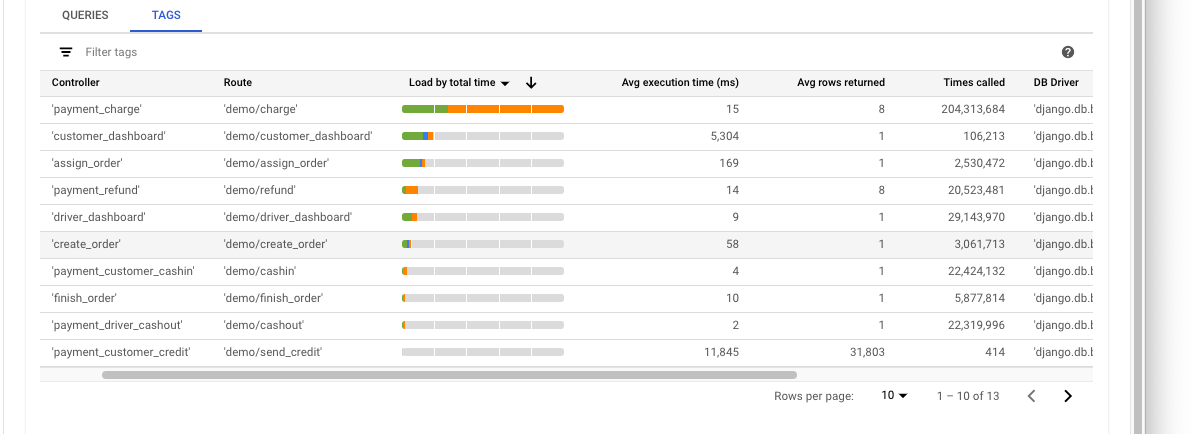
    Nimesh Bhagat, a product manager for Google, said Sqlcommenter is designed to make it simpler to correlate application and database telemetry. OpenTelemetry provides a mechanism for collecting logs, metrics and traces that is being advanced under the auspices of the Cloud Native Computing Foundation (CNCF).

    The challenge organizations using OpenTelemetry to collect that data will face is the need for tools to query that data in whatever platform it ultimately resides, noted Bhagat. OpenTelemetry previously lacked a common standard by which application tags and traces can be sent to databases and correlated with an application stack. Google envisions that IT teams will either employ Sqlcommenter to explore data or access via platforms such as Cloud SQL Insights or a third-party application performance management (APM) platform.

    Google made Sqlcommenter available as open source software earlier this year. It is designed to enable object–relational mappings (ORMs) to augment SQL statements before execution by, among other things, providing access to comments containing information about the application code that caused its execution.

    Sqlcommenter also allows OpenTelemetry trace context information to be propagated to the database, enabling correlation between application traces and database query plans that ultimately should make it easier to, for example, determine the root cause of a performance issue involving a microservices-based application making calls to a database. Sqlcommenter is primarily designed to be employed by full-stack developers that have some familiarity with how to use SQL to query data residing in an observability platform, noted Bhagat.

    Specifically, Sqlcommenter is designed to provide deeper insights into the performance of backend databases by simplifying the process of correlating slow queries with source code. It currently supports Python, Java, Node.js and Ruby languages along with ORMs such as Django, Sqlalchemy, Hibernate, Knex, Sequelize and Rails.

    As the number of applications that are instrumented using open source software continues to steadily increase, the amount of data that a DevOps team could potentially query also will steadily increase. Cloud storage platforms have made it easier to store that data at an affordable cost but the next challenge is clearly going to be finding a way to surface meaningful insights from all that data. Undoubtedly, achieving that goal will require everything from query tools to machine learning algorithms capable of identifying patterns at a level of scale that would not otherwise be possible.

    In the meantime, DevOps teams can look forward to being able to attain a level of observability that previously could only be achieved at a cost that tended to limit the number of applications organizations would instrument. At a time when the dependencies between applications increases with each passing day, that level of observability will soon prove indispensable.

  • How Does That Stack Up?

    How Does That Stack Up?

    There’s an entire class of successful innovations made up of things that people didn’t realize they needed. Things that were an obstacle they found a way around and didn’t think about until the innovation showed them an easier way. Think of things like virtualization (hardware was the bottleneck, but “That’s just the way it is,” until it wasn’t) or web monster shopping sites (“They don’t have that in the stores; I guess I’ll live without,” until you could order the weirdest or smallest things from the likes of eBay and Amazon).

    My rule here is that I only talk about products and services if I use them and find value in them. And even then, I try to do it sparingly. But in the spirit of the innovation story you just read, I’m going to point you at one of the coolest new websites on the net. I don’t know the company; have not done business with them, couldn’t even name a principal. But I have spent a surprising amount of time on their site, both in the Feed section and Browsing Stacks.

    The site is Stackshare.io, and the reason I think it is so innovative is what and who it is aimed at: Listing companies’ DevOps stack and offering advice on different parts of the DevOps stack.

    The Browse Stacks section is for presenting what other organizations are doing, so you can get good ideas for your own stack. But the developers of the site appear to have recognized the other useful aspect of this information: Matching organizations to prospective employees based on technologies. You can go look and see that Company X is using GitLab, for example, and that can then influence your job search.

    The Feed section is just a running discussion that uses categories to ask questions or offer insight and advice about decisions a given organization came to—so, “Chose X over Y” is actually a standard subheading for posts, as is “Need advice on Z” or “Recommends A”. It makes for great reading, and no doubt while reading through, you’ll have some advice to offer one of the “Looking for advice” posts.

    The Stackshare.io participants seem to range in size from startup to massive, and that is one of the things I hope they change as they grow—the options for looking at DevOps stacks are “Popular” and “Trending”. We all want more filters than that—organization size, number of apps, stuff like that—to help us zero in on environments that are similar to our own. My little company does not have the needs that Facebook does. And while it’s true that some startups use more tools in their toolchain than Facebook, you get the idea.

    Another issue I had with Stackshare.io’s site (that I fully understand, but still wish could be different) is forced registration/login to see some data. It’s not even particularly sensitive data—I know what ELK and Azure Data Services are, so putting the definition/description behind a registration page/login is kind of silly. But every free site needs data to pay the bills, and I suppose I’m glad it is info that’s also available elsewhere that is behind a reg wall.

    The company offers APIs for integration to your site/tool and private company instances of StackShare to help you manage one of my other gripes—the five (or fifty!) different DevOps stacks many organizations have allowed to develop in-house.

    So if you are job hunting, Stackshare.io can help you find companies doing what you would like to do or know you’re good at. If you are an organization trying to improve or set up a new toolchain (which is how I found the site), it has a lot of information to digest, though not all of it is easily accessible at this point. Either way, keep kicking it and keep an eye out for tools that do the job, no matter where you are looking.

  • Progress Expands Chef Automation Portfolio

    Progress Expands Chef Automation Portfolio

    In advance of its ChefCon 2021 conference, Progress today unveiled a series of enhancements to its Progress Chef automation platform that includes managed services and a software-as-a-service (SaaS) edition of its offerings as well as tighter integration with cloud services and other third-party tools.

    Sudhir Reddy, vice president of engineering for the Chef business at Progress, said the SaaS platform, now available in beta, combined with the managed services provided by Progress will make the automation platform much more accessible to a wider range of organizations.

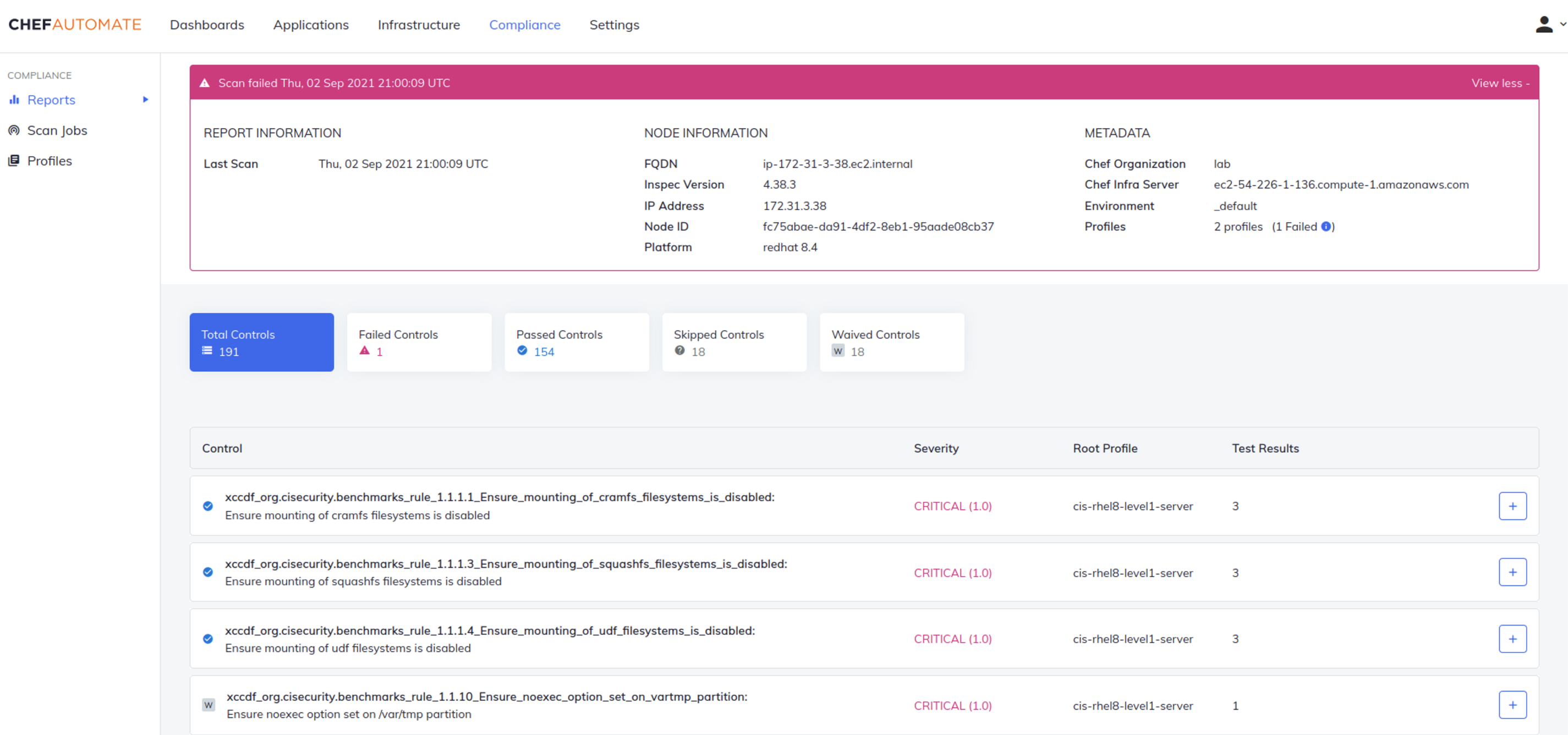
    Progress is now also extending the reach of its Chef Compliance Automation for Cloud Resources offering across Amazon Web Services (AWS), Microsoft Azure and Google Cloud Platform (GCP) to include Chef premium content that aligns with best practices for each cloud environment in addition to providing integration with Azure Policy, a suite of tools from Microsoft that compares resources to a set of business rules that define how cloud infrastructure should be employed.

    Chef

    Finally, Progress has enhanced Chef Enterprise Automation Stack to provide tighter integration between compliance and infrastructure automation along with adding infrastructure operations dashboard, support for Windows patch management, integration with third-party secrets management tools, and improvements to Chef Workstation and Chef Test Kitchen to simplify testing within application development processes.

    With the release of a SaaS platform and the availability of managed services, Chef is joining a long list of IT vendors that are removing responsibility for deploying and securing their platforms from internal IT operations teams. It’s clear more organizations now want to spend more time on building and deploying software than managing the platforms that automate those tasks on their behalf, said Reddy.

    It’s not clear how many IT teams that have already deployed a platform might shift over to a SaaS platform or rely on an IT vendor to manage that platform on their behalf. However, in the wake of the COVID-19 pandemic, many IT teams continue to work from home to help combat the spread of the virus. Many of those organizations have either shifted platforms to the cloud themselves, adopted SaaS platforms or outsourced the management of IT platforms altogether. There are also many small organizations that simply don’t have the internal expertise and resources required to stand up an IT automation platform on their own.

    That approach also makes it simpler to converge security, compliance and IT operations management within the context of a larger DevSecOps workflow, noted Reddy.

    The great paradox of IT automation has always been the level of expertise required to achieve it. Organizations that lack the expertise required to create automated playbooks, for example, don’t derive much value from an IT automation platform. It’s only been larger companies that have mostly derived the most benefit from investments in IT automation. However, as IT automation becomes more accessible via SaaS platforms and managed services, the level of expertise required to benefit from it naturally drops. In fact, with the advent of artificial intelligence (AI) for IT operations (AIOps), many manual IT tasks are increasingly being automated.

    It’s too early to say whether the IT industry as a whole is on the cusp of the next wave of automation, but the raw ingredients that make up the primordial soup needed to achieve that goal is, at this point, only awaiting a catalyst.