Category: DevOps Practice

  • Configuration-as-Code: Trends and Predictions for 2024

    Configuration-as-Code: Trends and Predictions for 2024

    Configuration-as-code, often abbreviated as CaC, is an innovative approach to managing and provisioning computing resources. It refers to the practice of handling changes, deployments and updates to software and systems via code rather than manual processes. CaC allows for a version-controlled, reproducible and automated method of managing environments, leading to more consistent and reliable systems.

    The essence of configuration-as-code is to treat system configurations the same way that software code is treated. This means that configurations are written in a code format, stored in a version control system and applied through automated processes. This approach brings several benefits, including consistency, repeatability and the ability to test changes before applying them to live environments.

    This concept is not just a theoretical approach but rather a practical tool for managing modern digital infrastructure. It’s a key component of DevOps practices, enabling teams to move faster while maintaining control and minimizing the risk of operational issues. Configuration-as-code is a critical tool for managing complex systems and achieving the highest levels of operational efficiency and reliability.

    The Evolution of CaC in Recent Years

    Over the past several years, configuration-as-code has grown from a niche concept into a mainstream practice adopted by many leading technology companies. This evolution has been driven by several factors, including the increasing complexity of digital systems, the rise of cloud computing and the broader adoption of DevOps practices.

    In the early days, system configurations were often managed manually or through ad-hoc scripts. This approach was prone to errors, hard to scale and lacked visibility into changes. As systems grew more complex, the need for a more robust, scalable, and reliable method of managing configurations became apparent. This led to the creation of configuration-as-code.

    The rise of cloud computing has been a significant driver in the adoption of configuration-as-code. With cloud platforms, resources can be provisioned and managed via APIs, making it possible to handle configurations through code. This has allowed for much greater scalability and flexibility enabling companies to manage large, complex environments more effectively.

    The adoption of DevOps practices and increasingly mature automation frameworks have also contributed to the growth of Configuration as Code. As infrastructure-as-code (IaC) becomes the norm, CaC is becoming a staple of modern DevOps practices.

    Trends in Configuration-as-Code for 2024

    Looking ahead to 2024, several trends are likely to shape the future of configuration-as-code:

    Increased Adoption of Cloud-Native Environments

    As more companies adopt cloud-native technologies, the use of configuration-as-code is set to increase. Cloud-native environments are inherently dynamic and complex, making them an ideal fit for configuration-as-code. With CaC, teams can manage these environments more effectively, ensuring consistency, scalability, and reliability. Cloud-native technologies like Kubernetes and Docker also natively support configuration-as-code, making it easier for teams to adopt this approach.

    Use of AI and Machine Learning in Configuration Management

    Artificial intelligence and machine learning are set to play a significant role in the future of configuration management. With AI and ML, teams can automate even more aspects of configuration management, reducing the risk of human errors and freeing up time for more valuable tasks. For example, AI could be used to predict the impact of configuration changes, while machine learning could help automate the process of optimizing configurations for performance and cost efficiency.

    Shift Toward Immutable Infrastructure

    Immutable infrastructure means that servers are never modified after they’re deployed. Instead, any changes are made by deploying a new server with the desired configuration. This approach reduces the risk of configuration drift and ensures a consistent environment. Configuration-as-code is a key enabler of immutable infrastructure, making it easier to manage and deploy servers in a repeatable, automated way.

    Collaboration and Democratization of CaC

    Finally, the trend towards collaboration and democratization in technology will also influence configuration-as-code. With CaC, configurations become more visible and accessible, allowing for greater collaboration between teams. This can lead to better decision-making, less siloed working, and improved overall outcomes. At the same time, configuration-as-code also enables democratization by making it easier for non-technical stakeholders to understand and participate in configuration management.

    Predictions for Configuration-as-Code in 2024

    CaC is Becoming a Cornerstone in the DevSecOps Approach

    The integration of development, security and operations—commonly known as DevSecOps—aims to embed security practices into the DevOps process. As we look towards 2024, configuration-as-code is set to become a cornerstone in the DevSecOps approach.

    By treating infrastructure as code, teams can apply the same security practices they use for application code to their infrastructure. This includes performing code reviews, using automated testing, and tracking changes to the environment. With configuration-as-code, security can shift left—being considered earlier in the development process—leading to more secure systems.

    Moreover, configuration-as-code can help bridge the gap between security and operations teams. It allows for a shared language and shared tools, fostering better collaboration and communication.

    Growth of CaC-as-a-Service

    Configuration-as-code-as-a-service is an emerging trend that is set to grow significantly by 2024. This approach allows businesses to outsource configuration management to a specialist third party, which uses configuration-as-code to automate the process. Cloud-based configuration management solutions provide advanced capabilities such as secrets management, centralized configuration management and orchestrated workflows.

    Version Control Features Specifically Designed for CaC

    Version control systems are a key component of configuration-as-code. They allow teams to track changes to their environment, revert back to previous versions if necessary, and collaborate more effectively. In 2024, we can expect to see the evolution of version control systems with features specifically designed for CaC.

    These features might include support for infrastructure-specific languages and better integration with infrastructure tools. Version control tools might also introduce improved support for collaborative configuration workflows, making it easier for teams to work together on infrastructure configuration.

    Increased Role of CaC in Managing Edge Computing Environments

    As we move into 2024, we can expect to see an increased role for configuration-as-code in managing edge computing environments. Edge computing is rapidly growing due to its ability to bring computation and data storage closer to the location where it is needed, improving response times and saving bandwidth.

    With the rise of edge computing, managing these environments becomes increasingly complex. CaC can automate the process of setting up and maintaining these environments, reducing human error and increasing efficiency. This also allows for consistency across different environments, leading to more reliable systems.

    In conclusion, the future of configuration-as-code looks promising. As we move towards 2024, we can expect to see an increased role for CaC in managing edge computing environments, its evolution as a cornerstone in the DevSecOps approach, the growth of CaC-as-a-Service, and the evolution of version control systems specifically designed for CaC. These developments promise to bring about greater efficiency, security and collaboration in the realm of infrastructure management.


  • Mobb Extends DevSecOps Reach of Tool to Generate Patches

    Mobb Extends DevSecOps Reach of Tool to Generate Patches

    Mobb today added an ability to instantly surface patches for vulnerabilities at the time when code is being committed during a DevSecOps workflow.

    Previously, the tool provided by Mobb to create validated patches based on the scan results of third-party SAST tools would only surface issues to individual developers.

    Mobb CEO Eitan Worcel said organizations can now address these issues within the context of DevSecOps workflow.

    The Mobb platform combines proprietary security research and traditional semantic analysis with generative artificial intelligence (AI) to automatically create patches for vulnerabilities. The overall goal is to make it simpler for DevSecOps teams to consistently ensure applications with known vulnerabilities are remediated before they are deployed, said Worcel.

    The Mobb approach eliminates the need for IT teams to sort through static application security testing (SAST) scans themselves. Each vulnerability typically requires at least 30 minutes to fix, so the Mobb platform improves application security while simultaneously making developers more productive.

    Historically, one of the reasons for the wide divide between application development teams and cybersecurity professionals is that many of the vulnerabilities discovered don’t actually impact applications running in production environments. Development teams then find themselves wasting time investigating vulnerabilities and, when they do determine a vulnerability is an issue, spending time developing a patch. The Mobb tool automatically creates the necessary patch, so there is less of a need to debate which vulnerabilities are worthy of the time required to create a patch.

    For decades, application development teams have been attempting to find a way to remediate vulnerabilities as quickly as possible. With increased focus on adopting DevSecOps best practices to address those vulnerabilities, more organizations are now reviewing software supply chains as part of a larger effort to improve application security.

    There will, of course, be vulnerabilities that the Mobb tool will not be able to address simply because there may not be enough affected applications to warrant pre-building a patch. Even with the most robust set of rules, it is improbable that an automated tool can, with 100% certainty, safely fix every issue. However, given the number of routine vulnerabilities present in applications, such as SQL injections, there’s plenty of opportunity to improve developer productivity by relying on patches that address common vulnerabilities.

    The process by which patches are prioritized, developed and then applied has, of course, long been a source of DevOps frustration. Anything that streamlines that process will go a long way toward improving the overall state of application security at a time when cybercriminals are becoming more adept at exploiting vulnerabilities. The challenge is finding a way to remediate vulnerabilities that developers will embrace rather than resist. The Mobb approach still provides them with control over what patches are applied but the toil involved with creating a patch in the first place has been substantially reduced.

    It’s not clear how long it might be before automated approaches to building patches might improve the overall state of application security but, as always, every journey needs to begin with a first step in the right general direction.

  • Legit Security Applies AI to Detect Vulnerable Application Secrets

    Legit Security Applies AI to Detect Vulnerable Application Secrets

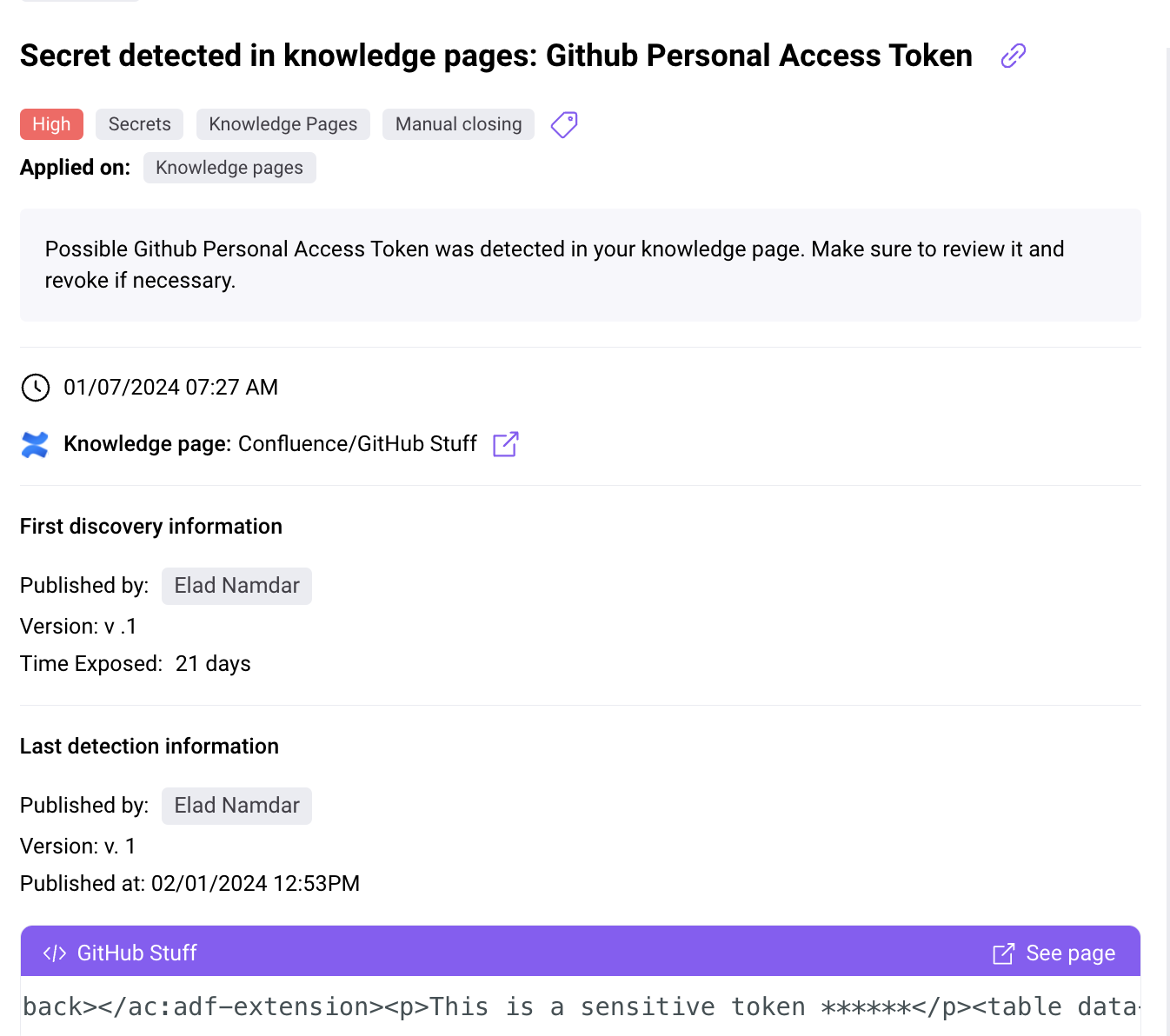
    Legit Security today announced it has expanded the scope of its application security posture management (ASPM) platform to make use of artificial intelligence (AI) to discover secrets more accurately in applications that cybercriminals can actually exploit.

    Scanners typically generate high false positive rates to the point where developers often start to ignore them. As a result, it’s not uncommon for secrets to be discovered in an application even though an alert was generated.

    Legit Security CTO Liav Caspi said the company is now applying a large language model (LLM) specifically trained for source code along with prompt engineering techniques and heuristics to reduce the level of alert noise that developers would otherwise see when scanning for secrets. The overall goal is to correctly identify access keys, passwords, application programming interface (API) keys and other personally identifiable information (PII) that should not be exposed once an application is deployed in a production environment, he noted.

    That capability can be applied to detect secrets across all development assets, including code repositories, source code management (SCM) tools, build tools and logs, artifacts and private and public documentation. In addition, this approach also uncovers toxic combinations of secrets or ones that might lie buried within assets such as source code history or modified Confluence pages that developers often forget exist, noted Caspi.

    Legit Security also enables DevSecOps teams to apply preventive guardrails on developer endpoints using the Legit command line interface (CLI) to stop secrets from being exposed before code is pushed. In addition, automated workflows can reach developers as part of a pull request or create Slack messages or Jira tickets to streamline remediation. DevSecOps teams can also continuously triage results to create a baseline that includes exceptions.

    As part of a larger effort to secure software supply chains, Legit Security has developed a software-as-a-service (SaaS) platform designed to apply security policies across an entire software development life cycle. The company is now extending the capabilities of that platform using AI technologies to detect secrets in both source code and all the components that make up a development pipeline as they are added.

    In the wake of an executive order requiring federal agencies to better secure software supply chains, there is now more focus than ever on application security. Unfortunately, many developers are a little too cavalier when it comes to managing secrets during the application development process. They often leave secrets in plain text to facilitate workflows, but more often than many care to admit, those secrets are not removed before an application is deployed. Knowing this, cybercriminals have learned to scan applications for those exposed secrets. Once gained, they then appear to be just another legitimate user of an application that might not be discovered until malware is activated.

    It may be a while before the cultural and technical issues that conspire to make the software supply chain insecure are fully addressed. In fact, the problem may get worse before it gets better—simply because the pace at which distributed applications are being built and deployed only continues to accelerate. At the same, the cost of making a secrets mistake is also only going to increase as regulations become more stringent. In fact, it’s now only a matter of time before stiff fines intended to make an example of one or more unfortunate organizations are eventually going to be levied.

  • Chronosphere Acquires Calyptia to Process Log Data More Efficiently

    Chronosphere Acquires Calyptia to Process Log Data More Efficiently

    Chronosphere today announced it has acquired Calyptia to add additional pipeline management capabilities to its observability platform.

    Calyptia created Fluent Bit and Fluentd, a set of open source log processors that are now being advanced under the auspices of the Cloud Native Computing Foundation (CNCF).

    Chronosphere CEO Martin Mao said these log processors will be embedded into the company’s namesake observability platform to enable the routing, transformation and optimization of log data at scale. That issue has become problematic because cloud-native applications based on microservices create exponentially more telemetry data than legacy monolithic applications. If it becomes too costly to analyze that data, then DevOps teams will begin to limit the number of applications they will observe, noted Mao.

    The Calyptia platform achieves that goal using filters at the data source to reduce the volume of data that might otherwise be shared by 30% or more.

    The shared data can then be analyzed in real time rather than waiting for it to be stored and indexed. In addition, DevOps teams can enrich that data in flight to include additional context.

    Calyptia cofounder Anurag Gupta added that the primary mission for the company has always been to make log data more accessible to developers as they build and deploy applications.

    The acquisition of Calyptia comes on the heels of a log management alliance between Chronosphere and CrowdStrike through which a log storage and virtualization capability, dubbed Logs powered by CrowdStrike, has been added to the observability platform. The overall goal is to simplify the management and analysis of logs via a single click of a graphical tool or within the context of a larger DevOps workflow based on a command line interface (CLI) without requiring data engineering expertise, said Mao.

    It’s not clear how fully DevOps teams have embraced observability, but it’s apparent the legacy monitoring tools that collect a set of predefined metrics are not able to keep pace with the complexity of cloud-native application environments. An observability platform makes it simpler to query log data and discover the root cause of an issue—hopefully before a catastrophic event occurs. The challenge, of course, is providing that capability without incurring massive increased storage costs for log data.

    Despite those concerns, the need for observability is becoming a more pressing issue with each passing day. Organizations have never been more dependent on applications to drive revenue. A degradation in performance is usually an early indicator of a disruption that often has a direct impact on revenue and profitability.

    There is, of course, already no shortage of observability platforms. The issue most DevOps teams encounter is finding the funding needed to employ one at a time when organizations have become much more sensitive to IT costs. There may be an opportunity to rationalize some monitoring tools to help pay for the cost of a more modern observability platform, but regardless of approach, an ounce of prevention is always going to be worth a pound of proverbial cure.

  • Unlocking Accountability: How Real-Time App Monitoring Empowers Engineering Teams

    Unlocking Accountability: How Real-Time App Monitoring Empowers Engineering Teams

    In today’s fast-paced software development environment, traditional infrastructure monitoring is no longer sufficient. As engineering teams take on more responsibility for code ownership and software quality, the need for comprehensive real-time application monitoring becomes crucial. This isn’t just an addition to standard infrastructure checks; it’s a fundamental shift toward a more accountable and empowering engineering culture.

    A Case for “Real-Time Application Monitoring?”

    Infrastructure monitoring is ubiquitous, and we’ve gotten really good at monitoring the health of our servers, our containers and our data stores. APM tools have come a long way and give us insights into how pieces of our code perform from a speed and error context.

    At the same time, the business side of the house is monitoring things like traffic, leads, conversions and an important performance metric—sales. However, for most businesses, this monitoring is rarely in real-time, and visibility gaps are created in the spaces between where problems are introduced, discovered and resolved.

    Let’s look at a concrete example using an auction marketplace. Core to this business is the ability for users to place, accept and pay for accepted bids. The business probably looks at these metrics on a daily basis, at best. What if a delivered change to their application broke and removed the ability for users to conduct one of these actions?

    Placing a bid probably has a “normal” volume pattern, and a change could impact this in a positive or negative way. If the volume of bids drops after a deployment or even spikes, what happens? How quickly can that change be reported, seen and acted upon, if necessary? How quickly can they get back to “normal” before a customer reports it or before the rest of the business notices?

    If this business is limited to once-daily monitoring, how quickly can they realistically expect their engineering team to be able to identify and remediate such an issue?

    How valuable would it be to the business if their engineering team could instrument these metrics with their own real-time tooling?

    Key Metrics for Trust and Satisfaction

    Customer trust and satisfaction are critical for any software product. The most obvious indicator of customer satisfaction is churn–the retention rate of your customers. This metric, while influenced by various factors, remains a vital sign of how well we are doing. At Stoplight (acquired by SmartBear in August 2023), we focused on reducing customer bug reports. A spike in these reports prompts an immediate investigation into the root cause. It’s about understanding what changed and how to address it.

    Moreover, new customer acquisition isn’t just about retention; it’s also about word-of-mouth referrals. Satisfied customers often become your best advocates. Thus, keeping an eye on churn rates and incoming bug reports and setting realistic targets for these metrics is crucial. It’s about balancing resource allocation without striving for impractical perfection.

    Net Promoter Score (NPS) scores, although often dreaded by customers, are a critical metric. As engineers, we might dislike them, but they offer a holistic view of user satisfaction. If you’re deploying daily and consistently breaking things, expect your NPS scores to reflect that.

    We can also demonstrate real-time ROI of real-time application monitoring in a security context using login successes and failures. Tracking the volume of these activities in our engineering tools allows us to quickly identify and assess the threat of anomalous behavior. Did the rate of successful logins drop? Did we break something with a deploy (I’ve broken logins before). What if either successes or failures spike? Are we under attack? How can we mitigate it to protect our users?

    Employee Retention and Developer Satisfaction: Essential in an Era of Real-Time Monitoring

    In the realm of software development—particularly with the advent of real-time application monitoring—employee retention, especially of developers, is paramount. Their deep understanding of the nuances of our applications and their ability to respond swiftly to the insights provided by real-time monitoring are invaluable.

    Maintaining a team of satisfied, engaged developers is crucial in this context. It’s not just about reducing turnover; it’s about fostering a culture where the engineers feel invested in the continuous improvement and success of our products. When developers are genuinely satisfied with their work and their environment, it reflects in the quality of their output. They become proactive in identifying and addressing issues, often before they escalate, thanks to the real-time data at their fingertips.

    The shift toward more dynamic monitoring practices has underscored the need for a supportive, collaborative environment. A culture where developers are encouraged to share insights and take initiative leads to a more responsive and adaptable team. This environment not only supports the technical aspects of our work but also enhances the overall morale and commitment of our developers.

    Engineers will seek out organizations that adhere to better practices. Interestingly, when good practices are in place, developers are more open to being on call. They accept responsibility for their code and their peers’ code as a trade-off for the autonomy and value they can deliver through frequent, quality deployments.

    Starting Small: Embracing the Journey of Incremental Improvements

    The journey to adopting best practices in engineering, such as real-time application monitoring, often begins with small yet significant steps. Reflecting on my past experiences, particularly at a shipping marketplace, the path to continuous deployment was transformative. Initially, we had no automated tests, and the challenges were substantial. However, the commitment to deploy continuously led to an evolutionary process in our practices.

    This approach isn’t just about technology; it’s about mindset. In my earlier days, inspired by the continuous deployment practices I observed in financial institutions, I realized the power of incremental changes. We began with what we had, deploying continuously, and with each step, we uncovered new areas for improvement. It was a process of building our capabilities piece by piece–from integrating automated tests to refining our deployment strategies.

    The essence of this journey lies in its continuous nature. Much like the principles of agile and DevOps, it’s a perpetual process of evolution. You don’t reach a finish line and stop; it’s about relentlessly pushing for betterment, identifying gaps, and adapting to new challenges. It’s about creating a culture where continuous improvement is the norm, where each small step contributes to a larger goal.

    Building a Culture of Continuous Improvement and Excellence

    Adopting real-time application monitoring is more than implementing a new set of tools; it’s about fostering a culture of continuous improvement, accountability, and excellence. In my experience, this cultural shift has a profound impact on every aspect of our work. It’s about ingraining a mindset that constantly seeks to exceed our standards with each release.

    Creating this culture involves a holistic approach to our engineering practices. It’s not just about the technical side of things; it’s about enhancing the collaborative and innovative spirit of our teams. It’s important for engineering leaders to do their part to foster an environment where every team member feels empowered to contribute ideas and take initiative. The ROI of this approach can lead to significant improvements in your team’s processes, as well as a deeper sense of ownership and pride in their work.

    Moreover, this culture of continuous improvement often extends well beyond the engineering department. It can influence the entire organization, encouraging departments like sales, marketing, and customer support to adopt similar principles. By doing so, we create a unified approach to product development, customer service, and business growth.

    Conclusion

    Embracing real-time application monitoring is not just about adding another layer to our development practices; it’s about fundamentally shifting our mindset toward a culture of accountability and continuous improvement. By focusing on key metrics, understanding the psychology of developers, and starting small, we can drive significant improvements in both product quality and employee satisfaction. As engineers, we are in a unique position to influence this change, and it is imperative that we lead the charge in adopting these essential practices.

  • Navigating the Hybrid Cloud Maze: Overcoming Adoption Hurdles

    Navigating the Hybrid Cloud Maze: Overcoming Adoption Hurdles

    Hybrid cloud solutions mark a significant evolution in organizational IT strategy, blending on-premises infrastructure with cloud-based services. This approach offers a unique mix of control, flexibility and scalability and introduces new dimensions in IT security. Crucial for businesses adapting to dynamic market demands, the hybrid model necessitates a robust security framework to protect sensitive data across diverse platforms. By integrating the security aspect into its core, hybrid clouds cater to the strategic shift towards more agile, responsive and cost-effective IT operations, ensuring that advanced security measures are ingrained in every layer of the infrastructure. A recent report states that 72% of organizations using a hybrid approach combine public and private clouds, highlighting the growing need for comprehensive security strategies in these environments.
    The transition to a hybrid cloud model introduces a unique set of security challenges that are critical to address. These challenges include ensuring secure data transfers between on-premises and cloud environments, protecting against increased surface attacks due to the interconnected nature of hybrid systems, managing identity and access controls across diverse platforms and ensuring compliance with various regulatory standards.

    Types of Organizations Suited for Hybrid Cloud Solutions

    Hybrid cloud solutions are particularly beneficial for organizations requiring a blend of security, flexibility and scalability. Enterprises with fluctuating workloads, including e-commerce platforms that experience seasonal spikes, find hybrid clouds ideal for managing these variations efficiently. Organizations handling sensitive data, such as healthcare and financial institutions, benefit from the hybrid model’s ability to store critical data on-premises while utilizing the cloud for less sensitive operations. Start-ups and small and medium enterprises (SMEs) also find hybrid clouds appealing due to their ability to scale resources as the business grows without requiring substantial upfront infrastructure investment. Additionally, companies in sectors like retail and manufacturing, where legacy systems are prevalent, can leverage hybrid clouds to innovate without completely overhauling their existing IT setup.

    Standardized Integration Protocols

    Standardized integration protocols are fundamental in hybrid cloud environments, acting as the glue that connects disparate systems seamlessly. They ensure consistent communication and data flow between on-premises infrastructure and cloud services, which is crucial for maintaining operational efficiency and data integrity. A well-known example of such a protocol is the open data protocol (OData). OData, used for data integration, enables interoperability between different systems by providing a uniform method to query and update data. This protocol is beneficial in a hybrid cloud setup because it allows applications to access information from various sources, including on-premises databases or cloud-based storage, through a common interface. Organizations can mitigate the complexities of integrating diverse computing environments by employing standardized protocols like OData.

    Dynamic Security Strategies

    With the complexity inherent in hybrid cloud environments, dynamic security strategies are indispensable to safeguard data and applications across varied platforms. These environments blend on-premises and cloud infrastructures, each presenting its own set of security challenges. The intricate nature of these setups demands a fluid and responsive security approach that can swiftly adapt to emerging threats and the unique attributes of different infrastructure components. Continuously evolving security measures are essential to keep pace with the ever-changing threat landscape, ensuring comprehensive protection for both on-premises and cloud-based systems.
    The effectiveness of these strategies is particularly crucial in defending against incidents like distributed denial of service (DDoS) attacks, which can exploit the interconnected nature of hybrid environments. Employing advanced security solutions that offer proactive and automatic mitigation capabilities is key to minimizing potential downtime and latency issues. A well-integrated security strategy, encompassing both cloud and on-premises defenses, is vital to maintaining the integrity and availability of services across the hybrid cloud architecture. This balanced approach ensures that data and applications remain secure, irrespective of location within the hybrid cloud framework.

    Solutions for Harnessing Hybrid Cloud Benefits

    It is crucial to intertwine strategic solutions and best practices with robust security measures to maximize the advantages of hybrid cloud environments. Cost optimization, while essential, must go hand-in-hand with security considerations. Effective security management involves not just monitoring and optimizing costs but also ensuring that each investment contributes to a more robust security posture. This includes deploying resources to enhance protection against cyber threats and regularly assessing the security implications of resource allocation within hybrid environments.
    Approaching efficient resource deployment and utilization with a security-first mindset is imperative. Practices such as auto-scaling, which dynamically adjusts resources based on demand, should be integrated with security protocols to ensure that changes in resource allocation do not compromise security. This approach is crucial for maintaining operational efficiency and cost control and ensuring that the hybrid cloud environment remains resilient against evolving security threats. Embracing these practices helps organizations leverage the full benefits of hybrid cloud solutions, achieving a balance between performance, cost-effectiveness, and, most importantly, stringent security.

    The Evolving Landscape of Hybrid Cloud Architectures

    As hybrid cloud architectures evolve, security experts need to anticipate emerging threats and adapt to new technologies. The horizon for cloud security is increasingly complex, with sophisticated cyberthreats challenging traditional defenses. To stay ahead of the competition and threats, professionals must invest in continuous learning, leverage artificial intelligence and predictive analytics for threat detection, and foster a culture of security innovation. Preparing for these changes involves technology adoption and developing proactive, intelligence-driven security strategies for a resilient digital future.
  • Swimm Adds Generative AI Chat Tool for Documentation

    Swimm today announced it has added a chat tool that enables developers to use natural language to surface insights into code.

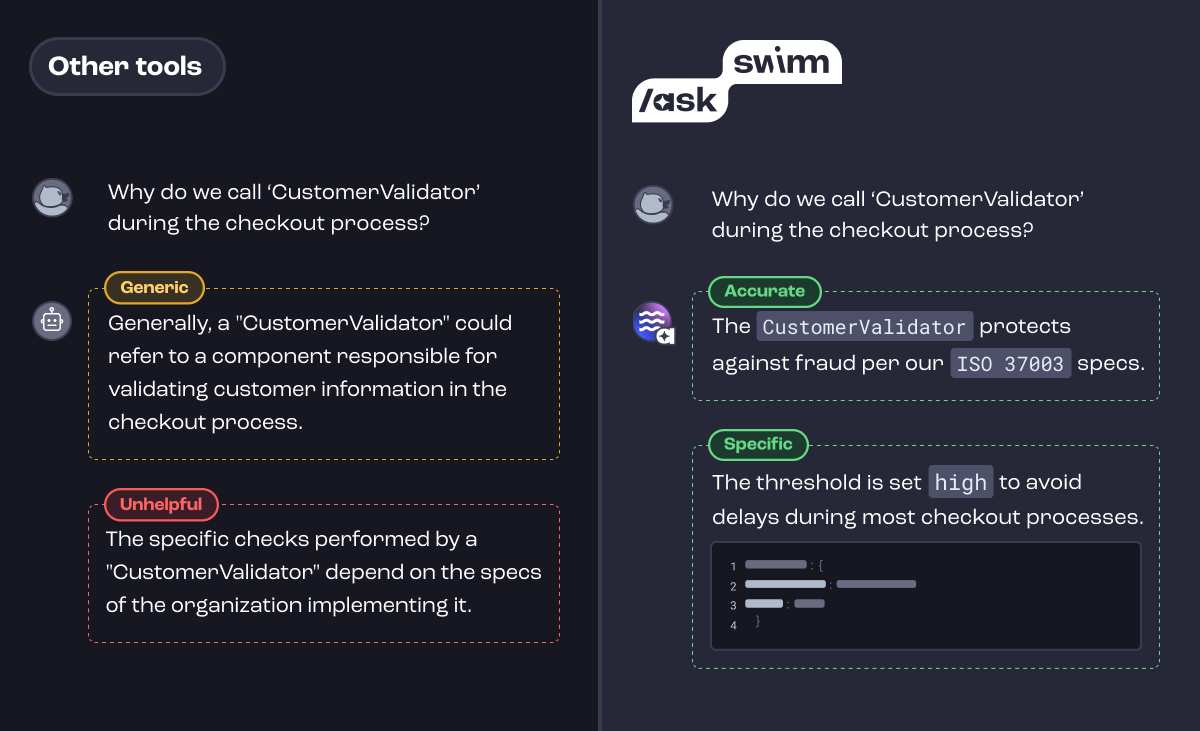
    Company CEO Oren Toledano said the /ask Swimm tool makes it simpler to launch queries that enable developers to better understand how code was constructed.

    The /ask Swimm tool aggregates documentation along with other related data to surface factors that are not evident in the code itself, such as documentation of business decisions, product design considerations and decisions concerning why specific architectural choices were made. It automatically captures and updates code-related knowledge to provide a continuous feedback loop as code, documentation, files and repositories are created and updated to provide deeper insights into code that goes beyond what might have been actually documented.

    The overall goal is to provide a mechanism that enables developers to understand how and why code was constructed within the context of an integrated development environment (IDE), said Toledano.

    Swimm has previously made available a platform that uses generative AI platform to create a static analysis of documentation. That capability should make it simpler for organizations to track documentation at a time when generative AI platforms such as ChatGPT are exponentially increasing the amount of code being written. In theory, those platforms should be able to also create documentation for that code, but there will still be a need for tools to track and analyze it.

    In the longer term, Swimm plans to continue to extend its usage of generative AI to provide deeper levels of insights across entire applications and software ecosystems to address that challenge, noted Toledano.

    In the short term, however, it’s clear that AI is making developers more productive than ever. In fact, the volume of code being generated might soon overwhelm existing DevOps pipelines and workflows. Most DevOps teams will need to revamp those workflows as the pace at which more applications than ever are being developed and deployed faster than ever.

    It’s still early days as far as generative AI adoption is concerned, but it’s clear many developers are already using it to write code. How much of that code makes it into a production environment is difficult to determine, but a lot of that code is going to be of varying quality. A general-purpose AI platform such as ChatGPT was trained using code collected from all across the web. The code generated by these platforms is only as good as the examples used to train it, all of which were created by human developers who may have made mistakes, such as including code that has known vulnerabilities.

    Regardless of whether code was generated by a machine or a human, the probability that documentation will need to be analyzed as part of a code review process is always high. The challenge and the opportunity is to determine the best way to apply AI to a longstanding challenge that is now being exacerbated by the existence of AI tools that, with each passing day, are only becoming more accessible to developers.