Category: Continuous Delivery

Continuous delivery is a software engineering discipline that allows organizations to consistently develop and release quality software at a rapid pace. It is achieved by automating the software development lifecycle, enabling tasks such as development, testing and release to occur concurrently and continuously.

  • Tips for a Successful DevSecOps Life Cycle

    Tips for a Successful DevSecOps Life Cycle

    A DevOps implementation, if done correctly, can do wonders for any organization that’s on the hunt for efficiency, productivity and speed. As per the 2020 survey conducted by Atlassian, 99% of survey respondents said that DevOps has had a positive impact on their organization.

    However, it won’t do any good if security isn’t prioritized while adopting the DevOps best practices. That’s where DevSecOps comes into play.

    Enterprises need to understand that leveraging the alignment of development and operations for workflow enhancement while ignoring underlying security issues is like trying to generate electricity from a broken solar cell on a cloudy night. Undoubtedly, the success of any DevOps initiative predominantly relies on general security practices and a robust security mechanism to mitigate risks—this is where DevSecOps plays a vital role.

    There are several essential components of a successful DevSecOps implementation. Here’s how you can leverage them in your organization.

    The Emerging Need for DevSecOps

    DevOps can be simply defined as the next evolution of an agile development environment that bridges the gap between operations and development teams. Enterprises increasingly are turning to DevOps to boost their application development speeds and operational efficiency. Often, though, prioritizing development velocity means security concerns are left behind.

    That’s why there’s an equally growing need for a secure, efficient yet still agile development environment. DevSecOps puts security at the forefront of the entire operational and development process, which safeguards good cybersecurity hygiene right from the beginning. Implementing DevSecOps directly benefits developers and operations teams working hard to deliver a flawless application in a short period of time. Moreover, this approach encourages enterprises to develop secure code and thus, secure applications. To do so, there are several resources and strategies to help implement DevSecOps into an organization’s software development life cycle (SDLC).

    Secure Coding Practices

    Secure coding is perhaps the most crucial aspect of ensuring stringent security right from the beginning of the SDLC. Developers who aren’t following secure coding best practices, security guidelines and maintaining compliance while coding the application are inviting many security risks, including breaches of sensitive data and exploitation of an individual’s identity.

    Hence, an organization must focus on enhancing the skills of developers and ensuring that they are following security best practices while their application is in the initial stages of development. Moreover, establishing and adherence to coding standards are also crucial, as they help application developers to write clean code.

    Leveraging Automation

    As we know, automation is a driving force and a key aspect in DevOps; the same goes for DevSecOps. Automating security is vital to keep up with the pace of application code delivery, especially for more prominent organizations working on various code versions. Choosing the right automation testing tools can be beneficial for organizations that wish to speed up their operations and enhance the reliability of code when it comes to security. Organizations should strongly consider using at least static application security testing (SAST) tools that help developers identify potential vulnerabilities in code in the early stages of the development life cycle.

    Early Stage Testing

    The biggest mistake for any organization leveraging DevSecOps is testing the application only when it’s finally completed. Beginning early with automated testing offers numerous advantages, including identifying and resolving vulnerabilities in early development stages, a quick and inexpensive way to fix issues and saving valuable time during deployment.

    However, testing during the early stages of the SDLC may also halt the overall DevOps development pipeline, so take that into consideration from a security perspective.

    Implementing DevSecOps

    Implementing DevSecOps isn’t a quick process and requires specific steps to get it right.

    Planning and Development

    A solid planning strategy for successful implementation must include test criteria, design, vulnerability models and analysis. Once the planning is complete, the next step is development. Development teams should initially evaluate the overall complexity and challenges of their current practices. Adding a code review system in the development process can help to encourage safe and reliable coding practices in a DevSecOps environment.

    Build and Test

    Now it’s time to build! You can use automated tools to help combine source code with machine code; many of those build automation tools offer security features like automatic vulnerability detection. Once the build is complete, rigorous testing is carried out through various automated testing frameworks that ensure the highest level of performance and security.

    Monitoring

    Monitoring is another crucial aspect of DevSecOps implementation to ensure your security mechanisms are performing up to snuff.

    Undoubtedly, DevSecOps has revolutionized the way enterprises handle security, especially in challenging DevOps environments. Businesses that want to get to the next level of agility without sacrificing robust security should be implementing DevSecOps.

  • The Role of APIs in Mainframe Modernization

    The Role of APIs in Mainframe Modernization

    Mainframes are historically clunky systems. They are incredibly secure and can process impressive calculations, yet they are complex to manage and challenging to extract data from. This reality is at odds with modern cloud-native infrastructure, which emphasizes distributed computing and portable microservices. So, how can existing mainframes adapt to this connected, data-driven economy?

    I recently met with Dr. Alex Heublein, president at Adaptigent, to talk about the state of legacy modernization. According to Heublein, many mainframes are here to stay for the foreseeable future. However, enterprises are continuing to get value from these systems by adding an integration layer on top of them. By using a REST API layer on top of a mainframe, enterprises could finally open up these systems. This could facilitate bidirectional communication with newer cloud-native services, enable phase migration and edge closer to real-time processing.

    State of Mainframe Modernization

    The software industry changes every day. “Nothing in the tech field is permanent,” said Heublein, yet some legacy technologies will persist into the foreseeable future. In terms of mainframe adoption, Heublein sees a couple of categories of users. First are the large financial services organizations, such as large banks and insurance companies, which are considerably invested in their mainframe architectures and which will likely continue to rely on mainframe environments for their policy management and core infrastructure. “I think there’s a lot of good reasons for that,” explained Heublein. “If you want to process billions of transactions a day, [mainframe] is still a good option.”

    That said, regulations and market pressures are influencing a global movement toward open banking. For example, PSD2 mandates open banking in Europe and industry consortiums like Financial Data Exchange (FDX) are directing it in the U.S. market. These initiatives are encouraging financial services to transform their legacy environments and spurring cloud migration, especially for applications that aren’t mission-critical.

    Heublein pointed out a few different patterns in enterprise mainframe modernization. One approach is that enterprises are rewriting or re-architecting old COBOL applications and keeping them on-premises. Or they are porting and re-platforming the application; moving a COBOL app to a Windows or Linux system, for example. Finally, some are shifting straight to the cloud. For solutions that don’t need to be on the mainframe, enterprises may shift toward cloud-native to free up capacity.

    APIs Enable Legacy Modernization

    Distributed cloud technology is helping businesses scale to the right level. Yet, it’s difficult to jump off the mainframe entirely, noted Heublein. “Very rarely can you take all your stuff and move it all at once,” he said. “It’s a tough pill to swallow.” It’s especially difficult to move core banking infrastructure to a distributed environment—an instant shift could introduce security risks. For this reason, he recommended a ‘phase migration’ approach in which individual components are slowly migrated. For example, an insurance provider may shift their claims engine, policy engine and ratings engine to the cloud one at a time.

    As a result of phase migration, however, engineers must simultaneously support both on-premises and cloud-based applications. They must also ensure bidirectional communication so that these systems can exchange data. This is where a REST API transactional layer is necessary, Heublein explained. Such a layer could enable bidirectional communication between the mainframe and cloud-native applications, abstracting complexity when calling out to the modern world, or intercepting cloud data and filtering it into a format mainframe technologies can process.

    To increase developer usability, abstracting complexity from the mainframe integration process will be the key to building out connectivity. This could involve a codeless development approach with a COBOL sub-routine to call external systems, Heublein said. Automatic restructuring of data will be necessary to enable fluent bidirectional communication, too.

    Four Business Drivers of Mainframe Integration

    So what is the end result of putting an integration layer on top of mainframe systems? According to Heublein, there are four key business benefits of using such an abstraction layer:

    1. Orchestration: Software ecosystems often need to make multiple calls to different applications to collect and transform data. Yet, mainframe environments are very complex and challenging to integrate with. More usable integration fabric for mainframe systems could enable better orchestration of workflows in a developer-friendly manner. By using a REST interface, all apps could be calling the same interface, thus greatly simplifying orchestration between disparate services.
    2. Sustained Adaptability: The world is rapidly accelerating, and enterprises need to maintain and modify these APIs very quickly. Organizations require “sustained adaptability” to adapt and survive in the digital world, said Heublein. Mainframe systems, however, were not designed for the 21st century. Thus, low-code integration layers are critical to empowering rapid development.
    3. Data Transformation: Data is powerful for the business. Data is not only a commodity in and of itself but also is required for AI and machine learning. However, mainframes have a completely different way of encoding data. Thus, there is a need to transform this data into a modern format that businesses can consume. An integration layer between these systems can deliver an improved data consumption model.
    4. Real-Time Processing: You may think online payments happen in real-time; however, payment apps like Venmo are really just an abstraction layer over bank transactions, which may clear as little as twice a day. In short, mainframes are not great at real-time processing. However, more usable integrations to this infrastructure could enable user-facing applications to interact more closely to real-time.

    Another concern is security. Opening up mainframe environments that house core financial infrastructure must be done with extreme care—especially as API attacks remain the number-one rising threat in the software landscape. All organizations building out new integrations will require a secure layer from an outbound standpoint. Heublein said this often involves placing an API management layer or gateway in front of the integration layer. This system enables authorization and functions like a firewall between the internal and external world. It can also enable logging and prevent denial of service attacks, he explained.

    Improving Agility for Legacy Systems

    Legacy systems are entrenched in older technology and carry lots of technical debt, forcing operations to move at a slower pace. Maintainers are also culturally a bit different than the newer breed of cloud-native engineers. “Mainframe people are not … fast,” said Heublein.

    DevOps folks want to build, test and promote projects to production very quickly and, arguably, this agility is necessary to satisfy rising digital innovation demands. Improving integration capabilities for on-premises systems could enable businesses to better utilize preexisting investments while also improving agility.

    Low-code/no-code capabilities could also increase collaboration potential, Heublein added, which could bridge the gap between on-premises engineers and fast-moving business folks. When adopting low-code/no-code tools for mainframe integration, he cautioned against general-purpose citizen developer frameworks. Whereas universal integration layers can work well for many situations, he stressed that a very specific boundary box is best for building APIs for mission-critical applications.

    How is your organization approaching modernization for legacy systems? Let us know in the comments below!

  • Perforce Melds Artifact Package Manager with Version Control Platform

    Perforce Melds Artifact Package Manager with Version Control Platform

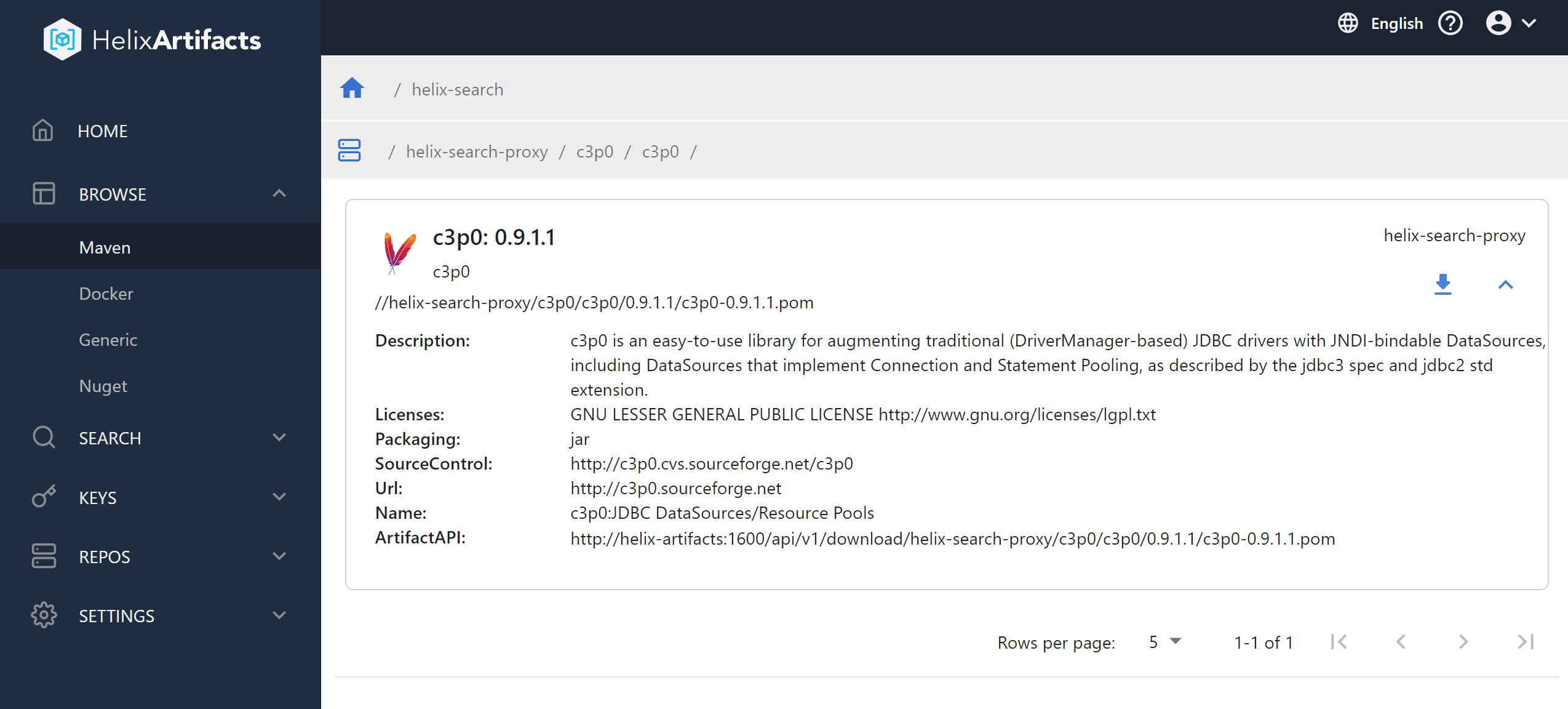
    Perforce Software has added a universal package manager, dubbed Helix Artifacts, to its portfolio that enables users of its Helix Core version control platform to store and track source code.

    Gerhard Krüger, product manager for Helix Core digital asset management at Perforce Software, said the goal is to enable DevOps teams that employ Helix Core to access a package manager without having to exit Helix Core.

    That approach also provides a more secure and cost-effective way to store, consume and distribute artifacts that also serves to improve developer productivity, he added. The ability to manage artifacts on top of a version control platform also means DevOps teams will not need to set up additional storage infrastructure or configure separate security permissions just to distribute software packages, noted Krüger.

    Perforce

    Helix Artifacts is a self-hosted package manager that functions as a translator for packages such as NuGet, Maven or Docker that enables them to communicate directly with Helix Core as well as build systems and integrated developer environments (IDEs). Helix Artifacts is made available via a per-server subscription model that costs substantially less than rival approaches to managing artifacts, Perforce Software claims.

    Most DevOps teams are trying to strike a balance between employing best-of-breed tools to build applications and the need to reduce complexity and, ultimately, cost. As such, any time a tool becomes a feature of another platform that a DevOps team uses, there will be a review of the processes being employed. Many DevOps teams are trying to reduce the amount of time they spent maintaining tool integrations.

    There’s also now a lot more focus on software supply chain security. Each new tool generally creates yet another set of credentials that need to be protected as cybercriminals continue to aggressively attempt to inset malware into applications before they are deployed in a production environment. It’s not clear to what degree DevOps teams are looking to consolidate toolchains, but given those rising security concerns, it’s only a matter of time before security teams start to ask why the DevOps toolchain attack surface is so wide.

    In the meantime, the number of organizations that have widely embraced DevOps best practices across the enterprise continues to steadily grow. Over the past decade, most organizations have had at least one application development team embrace DevOps. However, as the pressure to build software to drive digital business transformation initiatives has steadily increased since the onslaught of the COVID-19 pandemic, the need to apply DevOps best practices to accelerate application development has become more pronounced. As a result, more organizations than ever are looking to standardize their application development efforts on a smaller number of platforms to reduce friction.

    It’s too early to say whether the rate at which applications are being developed and deployed since the start of the pandemic has actually increased. The one thing that is certain, however, is the bulk of organizations are now trying to accelerate like never before.

  • 4 Tips To Plug The Cloud IT Skills Gap

    4 Tips To Plug The Cloud IT Skills Gap

    Technical talent is few and far between. The programming world faces a developer shortage, and with this shortage comes a lack of cloud know-how. By now, most organizations have become multi-cloud, yet 86% of IT professionals believe a lack of these skills will slow down cloud projects.

    As more teams transition from older architectures to cloud environments, the IT skills gap could pose a severe bottleneck to software development and deployment. Cloud servers require ongoing maintenance, and managing security and compliance is challenging, even for seasoned developers. Furthermore, it’s easy to overspend in the cloud—without keen insight into vendor nuances, it becomes challenging to select the most cost-effective package for the application at hand.

    I recently talked with Joe Spurrier, chief technology officer and co-founder, cloudtamer.io, to see how teams can improve their cloud strategies while navigating a short supply of IT cloud know-how. According to Spurrier, increasing automation, sharing reusable templates, centralizing best practices and maintaining agnosticism are strategies to amplify cloud results. Below, we’ll expand on these areas to see how they maximize cloud benefits while retaining a lean engineering footprint.

    Automation, Automation, Automation

    “Automation is key to furthering your adoption and use of the cloud,” said Spurrier. The drive to automate comes as no surprise to many DevOps and SRE professionals whose goal is to automate their job away. When automating the cloud, infrastructure-as-code (IaC) is a fundamental necessity. “If you’re getting into cloud, you should probably have some scripting skills,” said Spurrier.

    Automation can significantly aid scalability when setting up additional accounts since engineers must replicate similar operations, such as server provisioning, deployment patterns, monitoring and so on. Automation is also essential for shift-left testing and to increase observability into production environments. “It’s one thing to deploy an application via automation, but another to have tests in automation—that’s the next level,” said Spurrier.

    Now that so many tools are API-driven, orchestration becomes programmable. A cloud service provider’s CLIs or SDKs could also be leveraged to hook into these integrations to construct such automation.

    On the flip side, too much automation for high-level privileges could backfire. “Someone could break into a data center, steal a server, disconnect it, then run off,” Spurrier explained. Thus, automation will require a higher sense of security to ensure that every change is appropriately authorized and logged.

    Reusable Templating

    Along with automation, documenting operational processes to be shared amongst engineering teams is vital for maximizing efficiency in a lean talent landscape. The key here is to make the process self-documenting and reusable, stresses Spurrier. This will most likely involve someone on the team creating shared libraries and repositories for other team members to leverage.

    One such example is Amazon’s golden AMI pipeline. Golden AMIs are virtual machines that teams can “standardize through configuration, consistent security patching and hardening.” Golden AMIs can also enable a repeatable process for performing monitoring, logging and even distribution to business units.

    Reusable patterns are important for building CI/CD systems so that when you commit code, it is automatically deployed to preferred cloud providers. In general, Spurrier recommends building shared repositories that are easy to clone, with step-by-step instructions for usage. Sample applications that demonstrate components in different languages can also aid developer usability and save time.

    Adopt Centers of Cloud Excellence

    Another way to encourage better adoption is by creating a center of cloud excellence (CoCE). For an enterprise, having a cloud-centric project management group can be very helpful to organize knowledge and offer support. A CoCE could centralize operations, supply engineers with pre-configured containers and help distribute access to cloud accounts.

    A CoCE is a good way to start to unite disparate teams around shared best practices, said Spurrier. Depending on your organization’s needs and workloads, a CoCE will focus on varying skills, he added. In the beginning, a company may have just one center for cloud knowledge. However, as adoption grows, dedicated centers may likely emerge around specific cloud providers, too.

    Retain Agnosticism

    Contrary to popular belief, multi-cloud steups aren’t always about lift and shift. Business units often adopt a particular cloud to suit specific workload requirements. For example, researchers may choose GCP for its data science functions, or Microsoft shops may prefer Azure.

    In a multi-cloud world, management layers could help retain a modicum of vendor neutrality. For example, take Cloud Custodian, a tool developed at Capitol One and recently contributed to the CNCF. Using Cloud Custodian, engineers can run security checks across AWS, Azure and GCP and generate metrics for reporting. Such control and insights could empower teams to automate some of the multi-cloud management burdens.

    When working with multi-cloud, it’s also good to consider agnostic tooling that can work across different providers, like Terraform or Kubernetes, Spurrier said.

    Templating

    Cloud transformation is ongoing at most organizations. With this rise, more cloud-native processes and tools are emerging. Yet, with talent in short supply, DevOps isn’t always fully prepared. To review, we covered four ways businesses can circumnavigate this issue to get an edge:

    • Increased cloud automation is a necessary response to a slimmer labor pool. Though building automation requires upfront technical skill, it pays dividends in increased efficiencies.
    • Reusable libraries and templates can rapidly configure new projects and do so consistently across business units.
    • Consider maintaining a center of cloud excellence to centralize policies and offer support.
    • Opt for agnostic tools. This helps to retain vendor neutrality and apply consistent controls across clouds.

    Of these above strategies, Spurrier emphasized the importance of creating shared templates. When used right, a templating approach can be very effective, he says. “If you have a templating model, it should be easy for DevOps teams to migrate to new features. If you’re leveraging tools that set up templates, it’s easier to figure out how much infrastructure is going to cost.”

  • CloudBees Acquires Neuralprints to Shift Compliance Left

    CloudBees Acquires Neuralprints to Shift Compliance Left

    At the online DevOps World 2021 conference today, CloudBees revealed it has acquired Neuralprints to provide the core technology for CloudBees Compliance, a real-time compliance and risk analysis platform that it will roll out in the first quarter of 2022.

    At the same time, CloudBees has enhanced the feature management capabilities of its namesake continuous integration/continuous delivery (CI/CD) platform to provide greater visibility into and control over feature flags that are now widely used to add new capabilities to applications.

    Prakash Sethuraman, chief information security officer (CISO) for CloudBees, said CloudBees Compliance will make it possible for DevOps teams to continuously enforce compliance policies as part of an effort to better secure their software supply chains. Those DevOps teams will be able to enforce compliance across code, binary artifacts, data, identity and infrastructure environments in a way that provides developers and IT operations teams with instant actionable feedback to enable issues to be addressed long before an application is deployed in a production environment.

    CloudBees Compliance is based on a mix of open source and proprietary technologies developed by Neuralprints and will be made available for on-premises IT environments as well as via a software-as-a-service (SaaS) application. The goal is to enable organizations to manage compliance as code as part of any effort to shift more responsibility for application security further left toward DevOps teams, said Sethuraman.

    CloudBees Compliance

    A survey of 500 C-level executives published today found nearly half (45%) admit that initiatives to secure their software supply chains are halfway or less-than-halfway complete. Nevertheless, 95% claimed their software supply chains are secure (95%), with more than half (55%) posting they are very secure.

    A full 93% said they are prepared to deal with an issue such as ransomware or a cyberattack on their supply chain. However, nearly two-thirds (64%) admitted they are not sure who they would turn to first if their supply chain was attacked; with 58% admitting that, if they experienced an attack, they have no idea what their company would do. An equal percentage (64%) said it would take more than four days to fix the problem if they did experience an issue.

    Almost all C-level executives (95%) said they think more about securing the supply chain now than they did just two years ago, and 92% said a security issue would impact their brand. A total of 83% said security issues cause their developers to drop everything to review code, with 82% noting that caused the organization to spend less time on innovation.

    On the plus side, 95% of executives said container images are checked for high or critical vulnerabilities, while an equal number said automation access keys are set to expire automatically. A total of 92% said their company only accepts commits signed with a developer GPG key, while 90% said dependencies to trusted registries are limited at their organization, while 89% said administrative access to CI/CD tools is restricted (89%).

    Of course, what C-level executives believe and what actually occurs inside an organization are not always one and the same. A series of high-profile software supply chain breaches resulted in a number of organizations reviewing their software supply chains. At the same time, the Biden administration has issued an executive order requiring all federal agencies to conduct similar reviews.

    One way or another, most organizations will soon find themselves embracing a wider range of DevSecOps best practices to ensure the integrity of software supply chains no matter how secure they may think their software development platforms are today.

  • Red Hat Extends Scope of Ansible Automation Ambitions

    Red Hat Extends Scope of Ansible Automation Ambitions

    During the online Ansiblefest, Red Hat announced the availability of a preview edition of Red Hat Ansible Automation Platform 2 that is intended to make it easier to automate IT processes at scale.

    Richard Henshall, senior manager for Ansible product management at Red Hat, said previously most IT teams have been automating individual processes, but as organizations become more adept at creating playbooks to automate processes, they now need to find ways to manage multiple automations that are often dependent on one another.

    Ansible Automation Platform 2 also enables IT teams to automate processes that span both monolithic as well as cloud-native applications based on containers using an automation controller, formerly known as Ansible Tower, that is more tightly integrated with Red Hat OpenShift, an application development and deployment platform based on Kubernetes, using Red Hat Operator tools. There is also an automation mesh capability that connects disparate automation components together and provides status checks.

    Ansible Automation Platform 2 also introduces automation execution environments within Ansible Engine that make it possible to create self-contained automation spaces that can be easily replicated and repeated across an organization.

    Red Hat also includes an automation content navigator to helps teams validate that automation content is working as it should across even the largest environments, along with updates to the Red Hat Insights analytics service that enable issues that might occur with automation controllers to be surfaced and eliminated by automatically applying policies.

    Henshall said going forward, IT teams should expect to see Red Hat focus more on enabling events to be the catalyst for triggering automation. Today, most automated processes begin with an IT administrator triggering the process. However, as digital business transformation initiatives mature, it’s become apparent there will be a need to trigger automation when specific events occur.

    Henshall said while there are still many organizations that are just starting to automate IT processes, there are also many that are entering the next phase of maturity. As such, they now require an automation platform that makes it simpler to manage automation at scale.

    In general, Ansible is designed to make it possible for developers and IT operations teams alike to declaratively create automation without much programming expertise required. However, creating a playbook that works reliably still requires a deep understanding of the processes that are being automated. Most IT teams would be well advised to closely monitor processes when they are first automated to make sure they are performing tasks as anticipated.

    Ultimately, it’s now a question of when rather than if most IT processes will be automated. DevOps teams, of course, have always been at the forefront of automation, but now it’s clear that as IT environments become more complex—with the rise of both the cloud and edge computing platforms—enterprise IT teams need to embrace automation more aggressively. The biggest barrier to automation is simply finding someone who has the passion to automate a process to lead the charge, said Henshall.

    Naturally, most of those efforts will initially focus on repetitive, tedious and manual IT tasks, but the potential to automate IT processes at levels of unprecedented scale has never been greater.

  • Transform Mobile DevOps into Mobile DevSecOps

    Transform Mobile DevOps into Mobile DevSecOps

    Mobile developers are mostly focused on adding new features and functionality to their apps. Security features—such as RASP protection, obfuscation, encryption, jailbreak/root prevention and MiTM prevention—are usually addressed at the end of the development cycle if they are addressed at all. Unfortunately, most apps ship with significant vulnerabilities. One internal app test showed that most apps can be cracked within 15 minutes, and a recent academic study found that 67% of the malicious app installs came from the Google Play Store.

    An Appdome global survey of more than 10,000 smartphone consumers released in August 2021 showed that this approach—features over security—is an enormous mistake. Nearly two-thirds (63%) of consumers say they value security as much or more than features when it comes to mobile apps. Nearly three-fourths (73%) said that they would stop using a mobile app if it left them unprotected against attacks.

    The survey revealed a big shift in consumer sentiment. For the first time in recent history, consumers are on the security team’s side! They expect strong protection from threats and fraud. But meeting these expectations is extremely challenging for development teams, because DevOps and security are so often at odds. 

    Here’s why: Nearly all the work done in DevOps is automated, from GitHub to Jenkins to Fastlane, while almost all security work is manual. Sure, security software development kit (SDK) vendors position themselves as an alternative, but buyer beware. Implementing a security SDK is never just a couple of lines of code. It’s still a brittle, manual process that does not offer a guaranteed outcome.

    Mobile app security solutions available today don’t fit into the automated delivery model that is DevOps. The only way to automate security and make it fit within the DevOps workflow is to stop trying to squeeze it in at the end of the Dev cycle. As a result, security does not have a seat at the mobile app development table today. And as long as security is manual and cannot be seamlessly plugged into the existing DevOps workflows, it will remain an afterthought, at best.

    The Encryption Example: Why Security is so Hard

    As an illustration, let’s take a look at incorporating mobile encryption, an absolute necessity to protect data against harvesting, theft, interception, deception and trickery. For every type of data inside the app, developers must choose the right combination for each component of the encryption model, including encryption algorithm/protocols, cipher suites, key strength, key derivation technique, key protection and safeguarding. It has to match both the security and performance requirements for a highly variable set of data format characteristics. Even small errors or mismatches could slow app performance or render the app unusable. On the other hand, the app may perform well, but the encryption may be too weak to provide sufficient protection. 

    It’s complex, time-consuming work that developers don’t want to have to do twice. That’s why they tend to wait until after the app is built to add encryption. Unfortunately, this means all the network information is stored in the app unencrypted, and if a bad actor gets their hands on a UAT version of the app, the “keys to the kingdom” are in the clear, ripe for the picking.

    The demands on DevOps to get new releases out of the door quickly are high. Security is often seen as a negative force that holds back innovation and delays release, especially when it’s left until the very end of the software development life cycle (SDLC). The term DevSecOps is used to describe a security-focused, continuous delivery SDLC. But that should involve much more than penetration testing. Identifying issues isn’t enough. Security needs to be built into the development cycle without slowing down release times or creating uncontrollable costs.  

    The only way to incorporate security into DevOps and to achieve DevSecOps is to imbue security with as much automation as development currently enjoys. By using an automated, no-code platform that builds security directly into the app, security can become a natural part of the DevSecOps workflow. Plus, security can be consistently applied with documentation that demonstrates protection. It’s the only way to enable developers to get their secured mobile apps into the hands of their end-users at a rapid pace, align all stakeholders to a common shared set of objectives and outcomes and eliminate the sources of friction commonly found between DevOps and security teams. 

  • LogDNA Previews Streaming Module for Observability Platform

    LogDNA Previews Streaming Module for Observability Platform

    LogDNA is making available on a limited basis the ability to process streaming data to its observability platform as part of an effort to give DevOps teams more control over log data.

    Tucker Callaway, LogDNA CEO, said the data ingestion pipeline that LogDNA already provides can ingest, parse and normalize massive amounts of structured and unstructured log data. LogDNA Streaming adds the ability to automatically send log data to any application or analysis tool.

    That capability also helps reduce storage costs by limiting the number of copies of log data that might otherwise be created, he added.

    LogDNA also expects that DevOps teams will also be able to analyze data in flight as part of an effort to make it simpler to surface issues even before log data is stored, noted Callaway.

    While there are multiple streaming data platforms available, Callaway said LogDNA opted to build one on its own to meet the requirements of an observability platform. Ultimately, the goal is to shift observability left at the data level to provide more granular insights in real-time, he said.

    That capability will also lay the foundation for a wide range of autonomous processes that would be driven by the observability data collected via LogDNA, added Callaway.

    LogDNA

    Observability has always been a core tenet of any DevOps best practice. Most DevOps teams typically focus on some form of continuous monitoring to more proactively manage application environments. However, it can still take days, sometimes weeks, to discover the root cause of an issue. Monitoring tools are designed to consume predefined metrics to identify when a specific platform or application is performing within expectations. The metrics tracked generally focus on, for example, resource utilization.

    Observability combines metrics, logs and traces—a specialized form of logging—to instrument applications in a way that makes it simpler to troubleshot issues without having to rely solely on a limited set of metrics that have been pre-defined to monitor a specific process or function. DevOps teams can more easily employ queries to interrogate data in a way that makes it easier to discover the root cause of an issue. An observability platform correlates events in a way that makes it easier for analytics tools to identify anomalous behavior indicative of an IT issue.

    It’s now only a matter of time before providers of the platform widely employ machine learning algorithms to analyze machine data faster. There may even come a day when so-called “war room” meetings—that today need to be convened to identify the cause of an IT issue via a painstaking process of elimination—are no longer required.

    In the meantime, the percentage of applications that are instrumented in an IT environment needs to increase to achieve that goal. Fortunately, thanks to the rise of open source agent software, the cost of instrumenting applications is starting to decline. At the same time, DevOps teams should expect to see a marked increase in the volumes of incoming data, and they will need to find somewhere to store that data as well as determine the length of time it should be retained.

  • Relyance AI Shifts Compliance Left Using ML Algorithms

    Relyance AI Shifts Compliance Left Using ML Algorithms

    Relyance AI emerged from stealth this week to unveil a namesake platform for managing privacy and data governance in real-time within the context of a larger DevOps workflow.

    Fresh off raising $30 million in seed capital, Relyance AI co-CEO Leila Golchehreh said organizations can now quickly and accurately answer essential privacy questions and ensure compliance and governance by mapping requirements directly to their codebase. The platform provides transparency and visibility all the way down to the source code in real-time using machine learning algorithms, she added.

    Relyance AI co-CEO Abhi Sharma also noted most legal and data protection teams today have limited visibility into digital operations. Developers and data scientists are constantly creating and updating applications. By the time compliance teams gather the data required, it’s obsolete, said Sharma.

    The Relyance AI platform analyzes contractual requirements against the operational reality as determined by data processing in real-time. Compliance teams can then address privacy issues as they arise, added Sharma.

    At the core of the Relyance AI platform are five integrated components that first inventory assets by connecting to application programming interfaces (APIs); generate universal records of processing activities (ROPAs) by scanning code and understanding how data is being processed; share alerts when issues are detected; provide views into data life cycles to highlight data subject access request (DSAR) exceptions and extensions and address vendor life cycle management to ensure third-parties are complying with policies.

    Relyance AI

    Sharma said compliance, much like security, is shifting further left toward application development as organizations look to eliminate issues before they arise in a production environment. The Relyance AI platform is designed to be integrated with continuous integration/continuous delivery (CI/CD) platforms that are the core of modern software development life cycle processes, he added.

    Undoubtedly, as the worlds of compliance and application development collide, there will be cultural challenges similar to what is now occurring with the rest of DevSecOps best practices that require more collaboration between developers and security teams. The challenge is compliance officers tend to be even further removed from application development than their IT security counterparts.

    However, it’s now only a matter of time before compliance becomes code. Modern applications already make use of the Open Policy Agent, for example, to embed compliance rules in applications. AI platforms should make it simpler to identify compliance issues as they arise so that they can be addressed before any infraction ever occurs.

    DevOps teams, of course, have a vested interest in managing compliance as code. It’s not uncommon for DevOps teams to race to build and deploy an application only to encounter a wave of compliance issues that need to be addressed by recoding elements of the application. Not surprisingly, those compliance issues often result in application delivery deadlines being missed. Machine learning algorithms provide an alternative to the current raft of documents that compliance officers create, but not enough other members of the IT team read those, much less understand them.

  • OpsRamp Extends AI Reach to Incident Management

    OpsRamp Extends AI Reach to Incident Management

    OpsRamp today extended its IT operations platform infused with machine learning algorithms, also known as AIOps, into the realm of incident management.

    The Summer 2021 release of the company’s namesake platform adds alert predictions for preventing outages and incidents, alert enrichment policies for faster incident troubleshooting and enhancements for automatically ingesting metrics data collected from the Alibaba Cloud environment and open source Prometheus monitoring software as well as Hitachi, Poly, VMware and Dell EMC platforms.

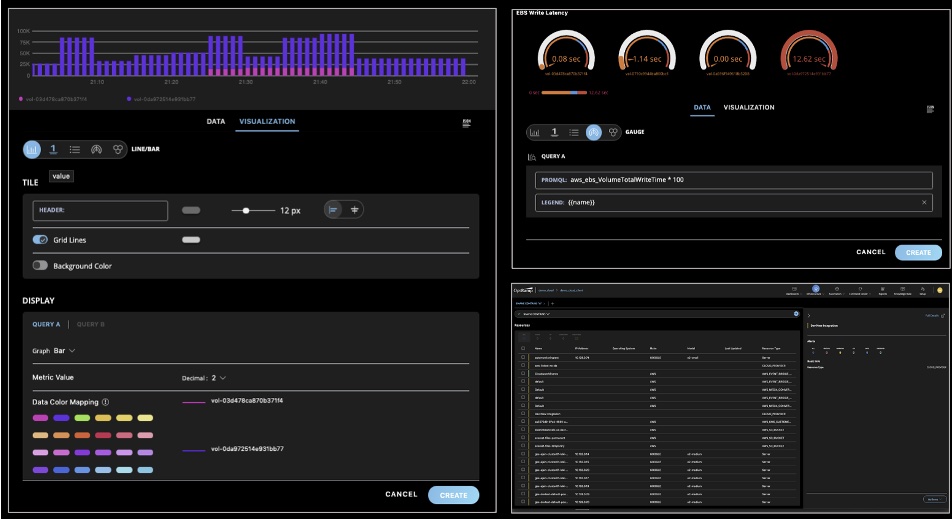
    IT operations teams can now also visualize metric values that can increase or decrease within a fixed range using Gauge charts. IT teams can also now add alert context details to provide more relevant information. There’s also now a mobile app for both Apple iOS and Google Android devices through which IT teams can now respond to alerts and incidents.

    Finally, OpsRamp is also making available a beta release of dynamic Workflows, which enable IT team to maintain a single decision table to address specific operational scenarios.

    Sheen Khoury, chief revenue officer at OpsRamp, said the goal is to leverage artificial intelligence (AI) to increase application availability by enabling IT teams to better predict when there are indicators of an incident caused by, for example, higher volumes of seasonal traffic that could lead to an outage.

    At the same time, IT operations teams can improve overall time-to-value by leveraging the automatic monitoring tools that are embedded in the platform, he added.

    OpsRamp is betting that rather than waiting for incumbent providers of IT operations platforms to add AI capabilities, many IT teams will opt to deploy a new IT management framework altogether. Many of the manual tasks IT operations teams regularly perform today can then be automated faster, noted Khoury.

    Naturally, it takes time for machine learning algorithms to be trained, so the benefits of AIOps are not instantaneous. However, those algorithms will continuously learn the unique attributes of an IT environment in a way that makes it easier for IT teams to manage an IT environment more proactively. The algorithms provide the added benefit of making it easier for new members to join an IT operations team without having to spend months learning all the nuances that are unique to that environment.

    Each IT team will need to decide for itself the degree to which they want to rely on an AIOps platform to manage their IT environment. Initially, most IT teams will need to evaluate the recommendations made by an AI platform. However, as they gain confidence in the recommendations, they will trust the platform to automate more processes in response to events occurring in the IT environment in real-time.

    Regardless of how much faith IT teams put in AI, it has become apparent that enterprise IT environments are only going to become more complex. Many IT teams will not be able to manage some environments without the aid of an AI platform. Many IT professionals may not want to work for organizations that don’t provide some way to augment their skills using AI—the stress level would simply be too high.

    One way or another, DevOps teams that are highly committed to ruthlessly applying automation will be at the forefront of AI adoption in the enterprise.