Tag: software

  • The Rise of Low-Code/No-Code in DevOps

    The Rise of Low-Code/No-Code in DevOps

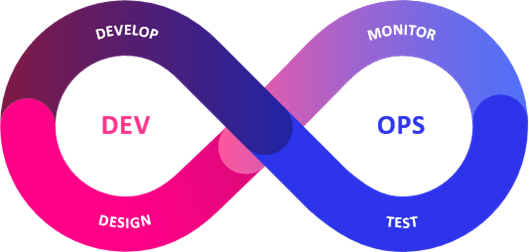
    The ever-evolving landscape of technology has ushered in a paradigm shift in software development and deployment. One of the prominent trends gaining momentum is the integration of low-code/no-code platforms within the DevOps ecosystem. This article explores how these platforms are revolutionizing the way applications are developed, deployed and managed, fostering collaboration between developers and operations teams.

    1. Democratizing Development:

    Low-code/no-code platforms empower individuals with limited coding experience to actively participate in the application development process. This democratization of development accelerates the delivery of software by allowing business analysts, designers and other non-developers—sometimes referred to as citizen developers—to contribute directly to the creation of applications.

    2. Accelerating Time-to-Market:

    The traditional software development life cycle often involves lengthy coding processes, leading to delayed releases. Low-code/no-code platforms enable rapid prototyping and development through visual interfaces, significantly reducing the time required to bring applications from concept to production. This acceleration aligns with the principles of DevOps, promoting continuous delivery and faster time-to-market.

    3. Enhancing Collaboration:

    DevOps is all about breaking down silos and fostering collaboration between development and operations teams. Low-code/no-code platforms bridge the gap between these traditionally distinct roles by providing a common ground where both technical and non-technical stakeholders can collaborate seamlessly. This collaborative environment promotes better communication, understanding, and alignment of objectives.

    4. Flexibility in Deployment:

    Low-code/no-code solutions are designed to be platform-agnostic, allowing for the deployment of applications across various environments, including on-premises and cloud. This flexibility aligns with the DevOps principle of infrastructure-as-code (IaC), enabling teams to deploy and manage applications consistently across diverse infrastructures.

    5. Reducing Dependency on Specialized Skills:

    In a DevOps environment, reducing bottlenecks and dependencies on specific individuals or roles is crucial. Low-code/no-code platforms enable teams to be more self-sufficient, reducing the reliance on specialized coding skills or DevOps Training. This, in turn, contributes to a more resilient and adaptable DevOps culture.

    6. Challenges and Considerations:

    While the adoption of low-code/no-code in DevOps brings numerous benefits, it also introduces challenges. This section discusses considerations such as security, scalability and the potential need for customization beyond the platform’s capabilities.

    7. Real-World Use Cases:

    Explore real-world examples of organizations successfully incorporating low-code/no-code in their DevOps workflows. Highlight the positive outcomes, lessons learned, and the impact on their overall software development life cycle.

    Conclusion:

    The rise of low-code/no-code platforms in DevOps is reshaping the way software is developed and deployed. By fostering collaboration, accelerating development cycles, and reducing dependencies on specialized skills, these platforms align seamlessly with the principles of DevOps. As organizations continue to embrace this trend, the synergy between low-code/no-code and DevOps is set to redefine the future of application delivery.

  • What Does Build Quality Look Like in Software Design?

    What Does Build Quality Look Like in Software Design?

    With rapid developments in artificial intelligence (AI), mobile applications and modern software in the last year, the enterprise software market is expected to grow exponentially. Market revenue is projected to reach $292 billion in 2024, and developers are constantly implementing innovative measures into the software development life cycle (SDLC) to ensure a seamless, high-quality creation process. One of the best ways to achieve this is by leveraging modern build health tools to monitor a multi-faceted project’s overall quality and performance.

    Build health tools automate the creation of executable applications from source code and encompass several areas to ensure the stability and health of the software build process. From automated testing to security scanning, developers rely on these tools and processes when defining a modern approach to software development. Before diving into the intricacies of build health quality, it is necessary to grasp the complete significance of the SDLC when attaining the final product in a global marketplace.

    The Significance of the SDLC

    The SDLC is the process in which developers plan, write, modify and maintain software. This methodology applies to software developed for computers, mobile phone applications, video games and other systems. Adhering to this process allows developers to reach the optimal outcome for the final product. The life cycle includes everything from the planning and brainstorming stage to setting up maintenance and operations after the product has launched. It ensures success by providing a more structured approach to building and developing software. This becomes increasingly important as the software market’s value continues to rise.

    Since 2020, the demand for software engineers has doubled. Because it’s essential for business leaders and developers to keep up with the latest trends and innovations, the need for software knowledge will continue to grow exponentially. Currently, software is typically delivered in one of two ways:

    • On-premises. End users install and run the software themselves on the desired device. This serves as a more secure delivery method for highly-regulated industries.
    • Software-as-a-service (SaaS). This cloud-based method allows end users to access the software online rather than through a traditional download/upload. This enables providers to offer a subscription-based/pay-as-you-go structure for users. The provider is responsible for the hosting and maintenance.

    Developers rely heavily on build health tools to ensure a smoothly running life cycle. Build health tools play a huge role in determining a seamless development process.

    The Role of Build Health Tools in Modern Software Development

    Build health tools essentially fill the gaps in the development process and enhance the software build quality. These tools deliver automated testing methods by creating multiple testing scenarios to ensure full functionality. They help developers see the different data points necessary for garnering a 360-degree view of the software and its status.

    The tools also impact resource utilization and response times. Using key performance indicators (KPIs), they monitor the build quality while enhancing build production to ensure it is better than what was previously developed. In that way, it is constantly growing and improving to guarantee the project reaches a smooth and seamless completion for the developer. From there, the tools can create multiple datasets in less time, which significantly reduces overall software development time.

    Common Challenges of Build Health Tools in Software Design Projects

    There are several challenges with using build health tools. The most common obstacle is that automated tools and testing lack the human touch that comes from developers and their manual work. Although build health tools can perform simultaneous tasks quicker than a more manual approach, they overlook the full spectrum of available resources to improve the build. These tools are so focused on functionality that they fail to incorporate the prior research and available resources that often serve as key building blocks for a successful development project. For this reason, it is important to have developers working in conjunction with build health tools to provide a balance between manual and automated software testing.

    Developers can leverage build health tools to seek out the KPIs that determine the software’s quality at a given stage of the SDLC, from initial development and quality assurance (QA) to the final phases of staging and production. Some of these KPIs include:

    • Exceptions. Make sure there are no new exceptions from the previous build versus the production stage.
    • Test coverage. Ensure that adequate testing is performed on the current build by defining what application programming interfaces (APIs) need to be included for certification, along with the number of executions required.
    • Automated data validation. Make sure data is accurate and useful while remaining enforceable by the designated standards.
    • API testing. Test the overall interface for smooth performance with trustworthy data to advance the program/project. It is also important to compare performances during different SDLC stages to confirm the status of the API, dependency, database, and functionality.
    • Memory/CPU usage. Measure the overall usage of the central processing unit (CPU) and its memory to ensure stability and efficiency.
    • Requests per minute. Evaluate the rate at which the software can receive and execute certain requests delivered by the end user to ensure optimal efficiency.
    • SQL coding standards. Enforce standards and limitations for the overall coding within the interface by measuring quality, security, efficiency, and sustainability.

    While these are only a few of the KPIs detectable with the aid of build health tools, it is essential to note how these tools can benefit a successful software release. Developers can compare the differences between current and prior builds throughout the SDLC to fully gauge any changes, developments, improvements, or downgrades during production to a successful launch.

    Current Events and the Future of Build Health Quality for Developers

    There are many examples of current organizations effectively leveraging available build health tools for project success. Software developers will continue to adopt new and innovative methods using AI and automation capabilities to ensure more efficient testing and higher build quality.

    The future is bright for contemporary software engineering. As unexpected as the AI boom of 2023 was for the tech world, the future of modern software development may hold even more surprising developments. Build health tools are expanding and perfecting the creation process for enterprises and developers worldwide. As build quality improves on the back end, the customer experience for global industries will improve on the front end. The potential for software enhancements and innovations in this way is what makes the journey exciting.