Tag: project management

  • Atlassian Strengthens Jira Navigation and Integration

    Atlassian Strengthens Jira Navigation and Integration

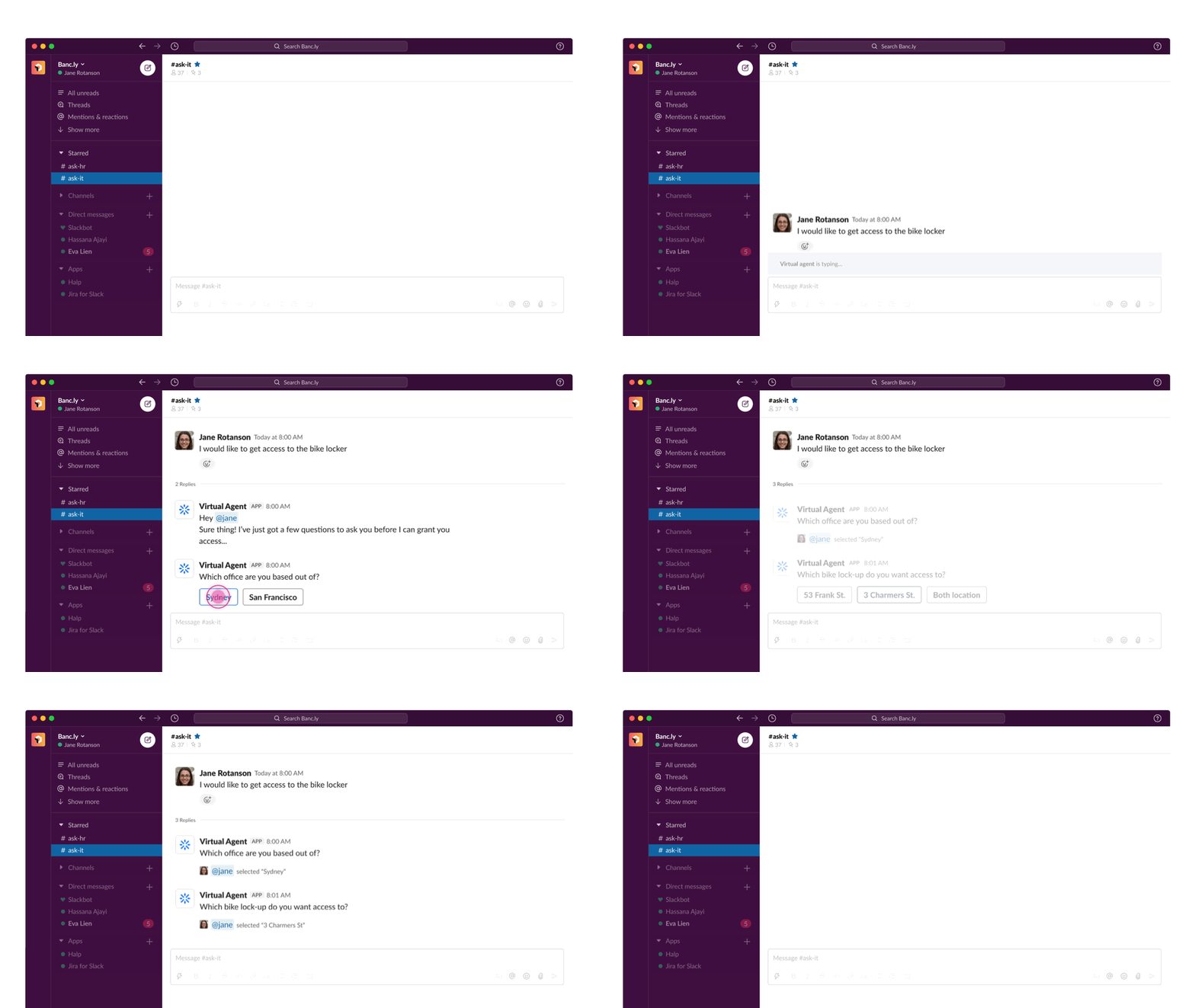
    Atlassian today made it simpler to navigate the Jira Software and Jira Work Management project management applications as part of an ongoing effort to make it simpler for DevOps teams to collaborate with other stakeholders of application development projects.

    Megan Cook, head of product for Atlassian, said the ability to share release dates across multiple calendars, overviews that aggregate views of and summarize multiple projects along with command palette and importer tools make it simpler for, for example, marketing teams and other individuals outside of a DevOps team to keep track of application delivery schedules.

    In addition, Atlassian has tightened integration between Jira and Confluence, a wiki-based collaboration application, and a previously launched Atlassian Intelligence capability that infuses generative artificial intelligence (AI) capabilities will also soon be added to Jira Work Management alongside existing support for Jira. There will also be connectors for Jira Work Management to integrate with Atlassian Admin, Atlassian Analytics, Access and Data Lake offerings, along with advanced security features.

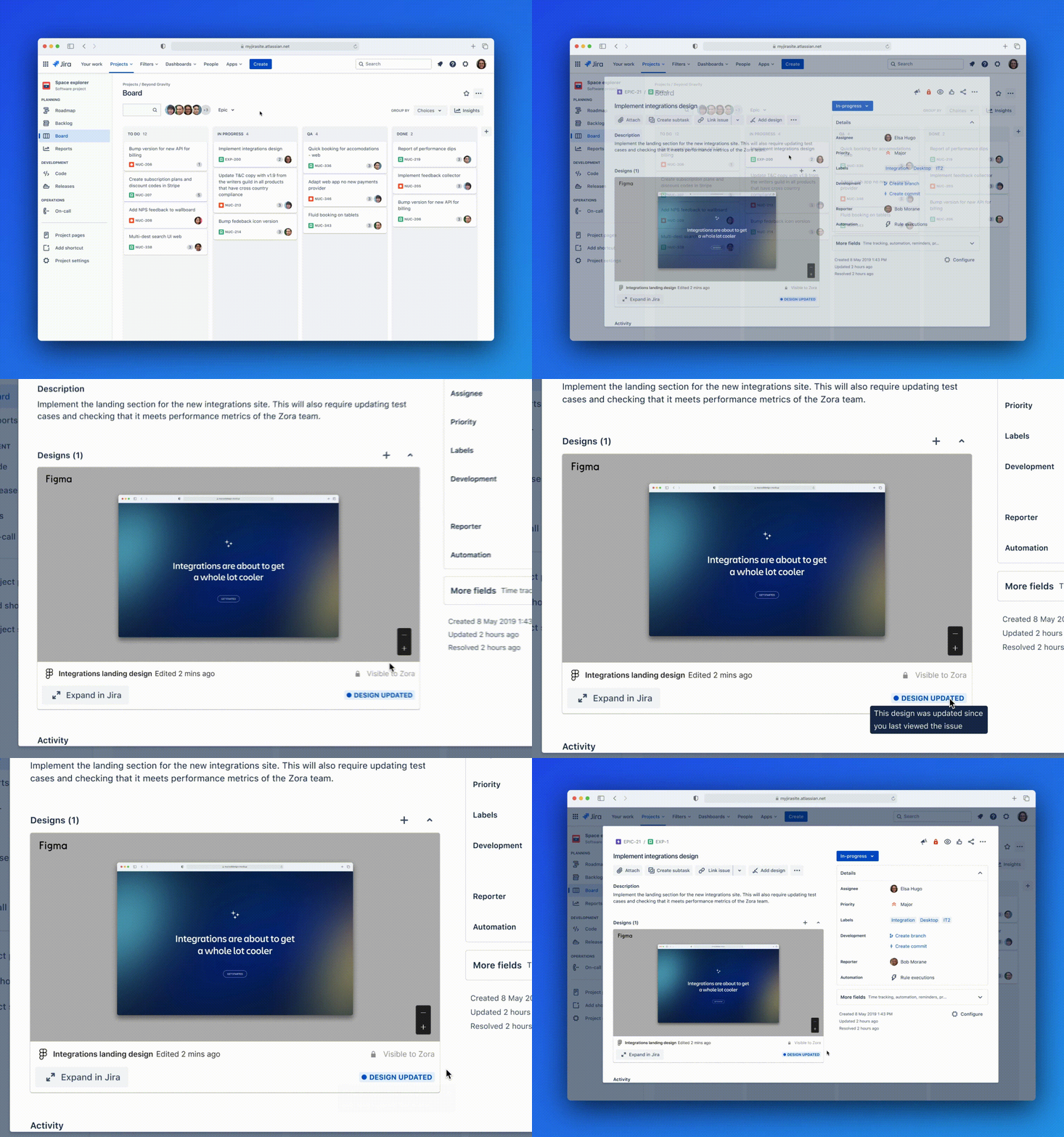
    Finally, Atlassian is adding support for a design tool developed by Figma that can now be directly installed in Jira.

    Collaboration between application development teams and the rest of the business is becoming more crucial as organizations increasingly realize how much they depend on software to drive revenue. One of the primary reasons Atlassian is investing in generative AI is to make it simpler for anyone to understand the status of any given project and the downstream impact any change to a delivery schedule is likely to have.

    Generative AI, of course, has already moved from being considered advanced technology to a set of capabilities that most end users will soon expect to be embedded within every application. One of the primary benefits generative AI provides is it makes a range of applications originally designed for specialists, such as a software engineering team, more accessible to a wider range of end users.

    It’s not clear how much generative AI will change the relationship between DevOps teams and the rest of the business, but with increased visibility, there should be a greater appreciation for the challenges developers and DevOps teams face. Any member of an organization should be able to plainly see, for example, why more resources need to be allocated to a specific project to ensure that an application is delivered on time.

    At the same time, application developers will find project management processes are about to become less disruptive as it becomes simpler to automatically import relevant data from the tools and platforms they use directly into a project management application such as Jira.

    One way or another, software engineers should expect that as generative AI continues to evolve, the divide between them and the rest of the business will narrow. There may be times when that level of additional scrutiny may feel burdensome, but on the whole, it should make it easier for DevOps teams to get the resources required to achieve any given goal. After all, the root cause of any given delay to a project will soon be plain for anyone to see.

  • Atlassian Advances DevSecOps via Jira Integrations

    Atlassian Advances DevSecOps via Jira Integrations

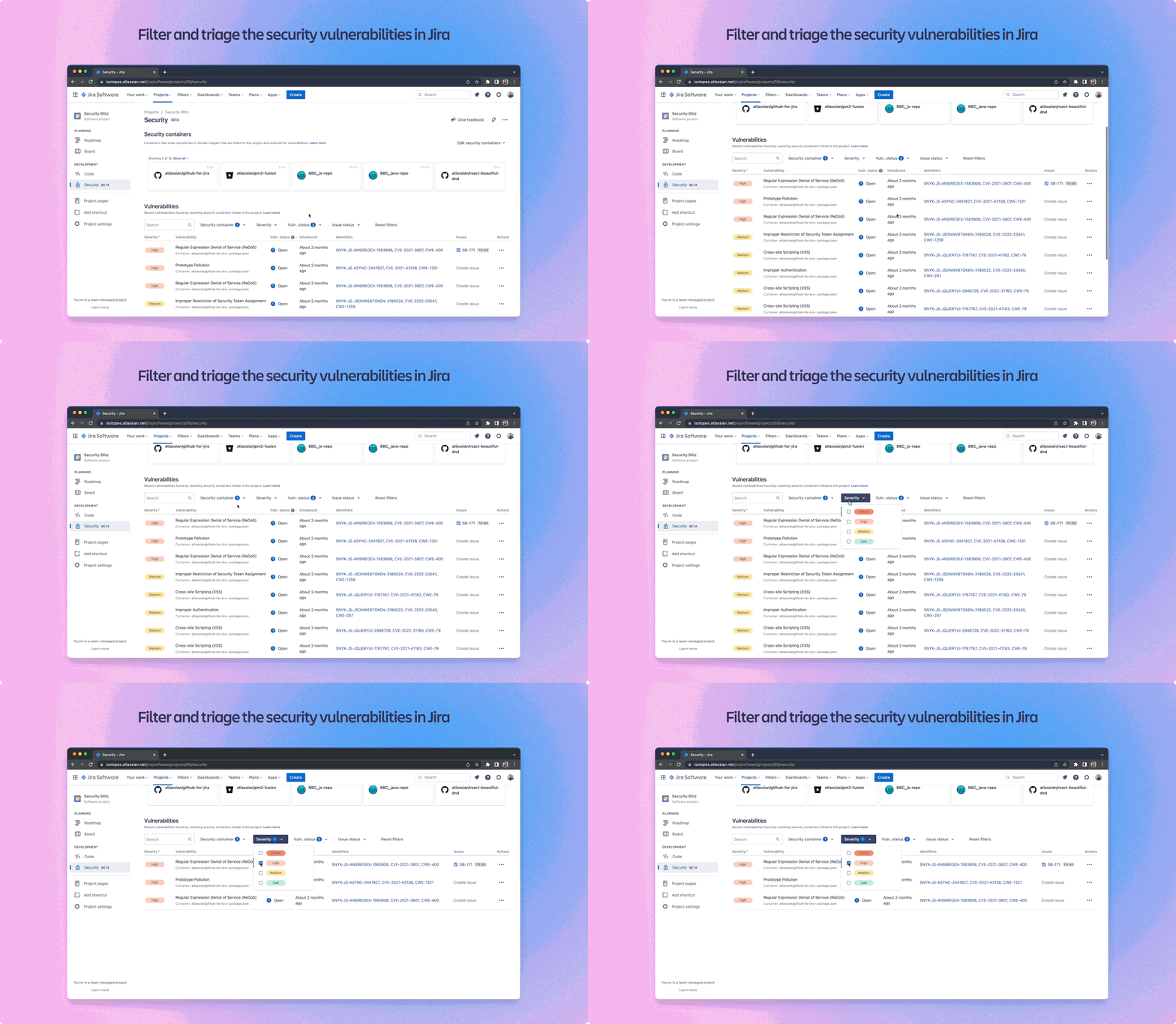
    Atlassian announced today it has allied with Snyk, Mend, Lacework, Stackhawk and JFrog to make it simpler to aggregate vulnerability data within the Jira project management software that many organizations rely on to manage application development and deployment efforts.

    Andrew Pankevicius, a senior product manager for Atlassian, said the collaborations will make it easier to prioritize a list of vulnerabilities that need to be addressed and for DevOps teams to automatically assign that work to a continuous integration/continuous delivery (CI/CD) pipeline. Atlassian provides those third-party integrations via an Open DevOps initiative.

    These capabilities, accessible via the Security Tab in Jira, will make it simpler for DevOps teams to manage output from the multiple application security tools that have become part of a larger DevSecOps workflow, noted Pankevicius.

    These additions to the Atlassian portfolio are arriving at a time when there is a lot more focus on securing software supply chains in the wake of a series of high-profile breaches. Those breaches have led to a wave of legislative proposals in the U.S. and Europe that will soon require organizations to embrace DevOps best practices to address increased potential liability that might stem from an application breach.

    For example, a proposed Cyber Resilience Act being negotiated by the member states of the European Union seeks to require organizations that sell internet-connected hardware platforms to ensure that their devices—and the software that runs on them—comply with cybersecurity best practices.

    In the U.S., meanwhile, a National Cybersecurity Strategy proposal put forward by the Biden administration seeks to hold organizations that collect data or build software more accountable for breaches.

    While both proposals are a long way from becoming the law of the land anytime soon, they are indicative of changing attitudes. Governments around the world are concluding the only way to ensure better cybersecurity is to require it. Previous suggestions made by government agencies are going to soon give way to actual mandates. As such, DevOps teams would be well-advised to get ahead of this sea change by implementing the tools and processes that inevitably will be required. As a result, many organizations are now embracing DevSecOps best practices that shift more responsibility for application security further left toward developers.

    The challenge is finding the right set of cybersecurity tools that surface vulnerabilities as code is being developed to make sure context isn’t lost, said Pankevicius. Historically, cybersecurity teams have discovered vulnerabilities long after an application has been deployed in a production environment. By then, however, most developers have moved on to other projects, so remembering how a specific piece of code was developed and by whom can be a significant challenge, he noted.

    There’s no doubt that when it comes to application security, a lot of progress has been made, but there is still much work to be done. The issue now is finding the best way to organize those efforts at a time when more applications are being simultaneously developed within organizations than ever.

  • ClickUp Adds Project Management Templates to Invoke ChatGPT

    ClickUp Adds Project Management Templates to Invoke ChatGPT

    ClickUp is adding templates and collaboration tools to make it easier to access generative artificial intelligence platforms such as ChatGPT from within its project management application.

    Haris Butt, head of product design for ClickUp, said ClickUp AI now includes pre-built department-specific prompts that any product managers, developers or designers can easily access rather than having to develop prompt engineering skills to engage a generative AI platform more effectively.

    The templates, for example, make it simpler to produce summaries of project timelines in addition to the ability to automatically generate a whiteboard that lists tasks that need to be finished to complete a project.

    In the longer term, ClickUp is also moving toward developing its own large language model (LLM) using its own data to provide a generative AI experience specifically optimized for project management, added Butt.

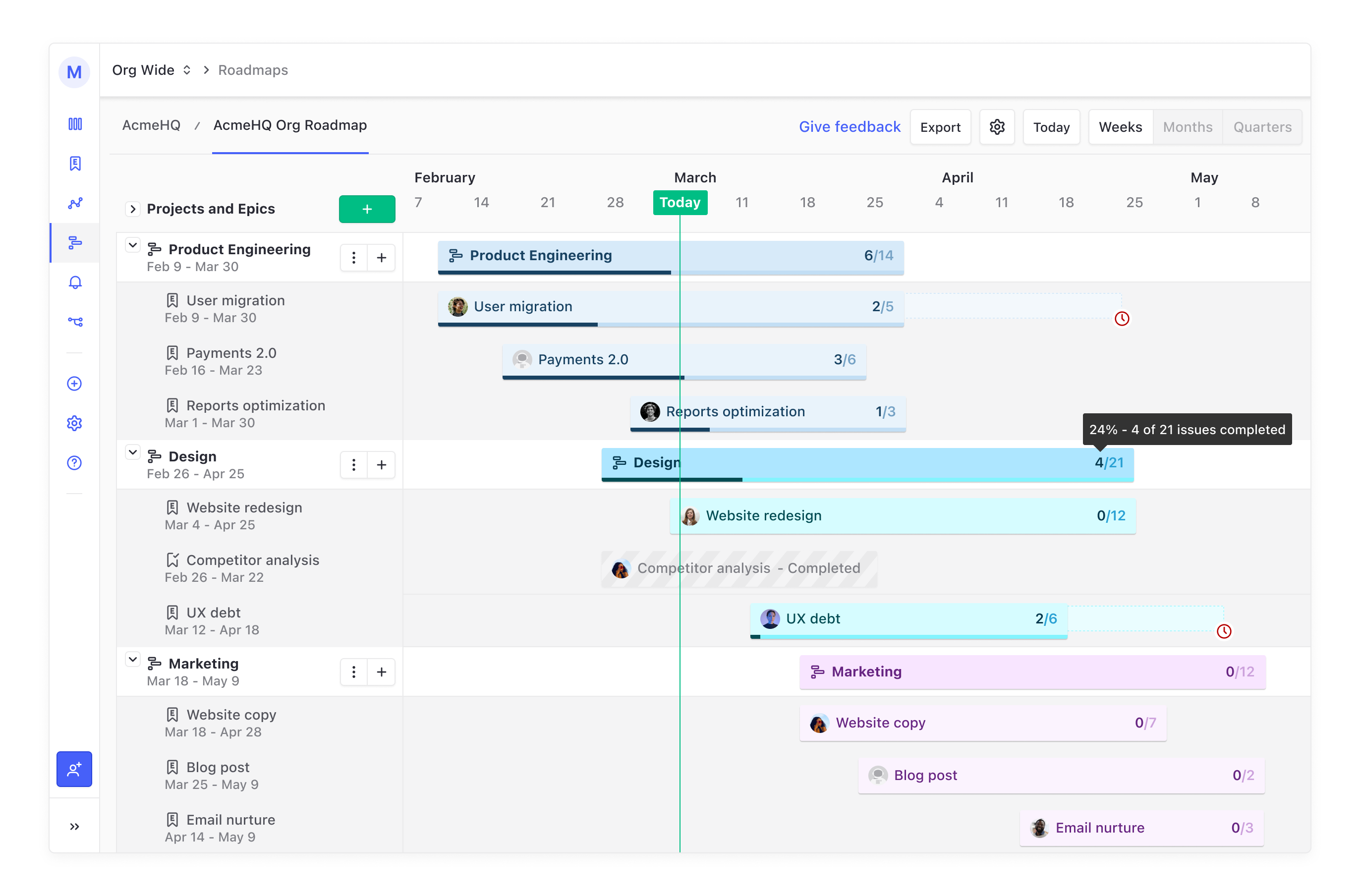
    ClickUp is embedding AI into project management applications as part of an effort to eliminate drudgery, added Butt. One of the primary issues that makes project management challenging is that navigating workflows can be challenging, especially for stakeholders that might not be as well versed in, for example, how a Gantt chart flows.

    It’s still early days as far as generative AI is concerned, but it’s already apparent that a wide range of templates are being developed to make it simpler to invoke these platforms. The need for project managers to become well-versed in all the nuances of prompt engineering techniques to optimize generative AI queries is likely to be limited.

    In fact, the general expectation is that every application will eventually include templates for invoking generative AI capabilities. Less clear is the impact that should have on productivity. In the case of DevOps teams, however, many tedious project management tasks should become increasingly automated.

    Generative AI will, of course, soon be employed across the entire DevOps workflow. Many of the tasks that have historically conspired to make DevOps processes tedious will be automated. In fact, many application developers are already using AI to test and review code. DevOps teams that have historically advocated ruthless approaches to automation are likely to be at the forefront of AI adoption.

    There are, of course, concerns about the accuracy of generative AI platforms such as ChatGPT that have been trained using data that hasn’t always been verified. As a result, it’s possible that some of the results being surfaced by these platforms should be reviewed by humans before being acted on. However, LLMs trained on narrower ranges of validated data will soon become commonplace. As those AI advances are made, the accuracy of generative AI platforms that are optimized for specific use cases will increase.

    In the meantime, DevOps teams should be more concerned about being left behind than about how generative AI impacts their employment prospects. There is no doubt generative AI will transform DevOps workflows along with a wide range of processes. The issue now is determining where DevOps teams can add value—and where machines can’t—in an era where IT environments are becoming more complex with each passing day.

  • Zenhub Brings Issues Management to Project Management Platform

    Zenhub Brings Issues Management to Project Management Platform

    Zenhub today announced it is adding an issue management module that makes it simpler for stakeholders to collaborate with developers on application development projects without having to log into a GitHub repository.

    Fresh from raising an additional $10 million in capital, Zenhub co-founder Aaron Upright said Zenhub Issues is a plug-in for a project management application the company developed for GitHub environments to better streamline software development life cycles. The issue is that many application stakeholders, such as marketers, are not especially pre-disposed to logging into a repository for managing software components, he said.

    Zenhub Issues provides an alternative means for collaborating with developers that doesn’t require stakeholders to log into GitHub, he said. In addition, organizations no longer need to acquire additional GitHub licenses for those users, noted Upright. Many of those end users wind up with read-and-write access to software components, which creates unnecessary cybersecurity risks should their credentials be compromised, he noted.

    In some cases, organizations will also be able to eliminate the need for the project management applications many of those stakeholders have adopted because they can track issues via Zenhub Issues, he added.

    Many organizations’ entire business strategies now revolve around accelerating the rate at which software development projects can be completed. Many elements of those projects, however, can’t go forward until a specific component upon which it depends is completed, so project management has become a critical function. Investors are holding business leaders more accountable for software delivery timetables that have direct implications on revenue generation, so that pressure naturally falls on DevOps teams.

    It’s not surprising that there aren’t a wider range of end users of project management applications as various stakeholders seek to keep closer tabs on how updates to schedule impact their planning cycle. Everyone from the sales team to the board of directors now wants more visibility into the rate at which software development projects are being completed. The challenge DevOps teams face is that software development is an inexact science. Application development projects can just as easily fall behind schedule as they can leap ahead depending on how well code is written.

    Regardless of how application development projects are managed, the relationship between DevOps teams and the rest of the organization has fundamentally changed. Unfortunately, expectations are not always realistically aligned with available development resources. A project management application that is widely employed across an organization should make that apparent to all interested stakeholders. In theory, at least, that should result in either the hiring of additional developers or a reassessment of the business strategy.

    One way or another, project management applications designed for managing software development projects now play a pivotal role in business planning. The challenge is finding a way to populate those applications with the data needed without requiring developers to help enter data that can already be easily pulled from the DevOps tools and platforms. Otherwise, instead of being viewed as a benefit, the entire project management process becomes one more tedious task that development teams are not going to prioritize over writing code.