Tag: Virtual Instruments

  • Virtual Instruments Changes Name to Virtana to Drive AIOps

    Virtual Instruments Changes Name to Virtana to Drive AIOps

    With the formal launch of a software-as-a-service (SaaS) to monitor cloud platforms and optimize cloud, Virtual Instruments today renamed itself Virtana.

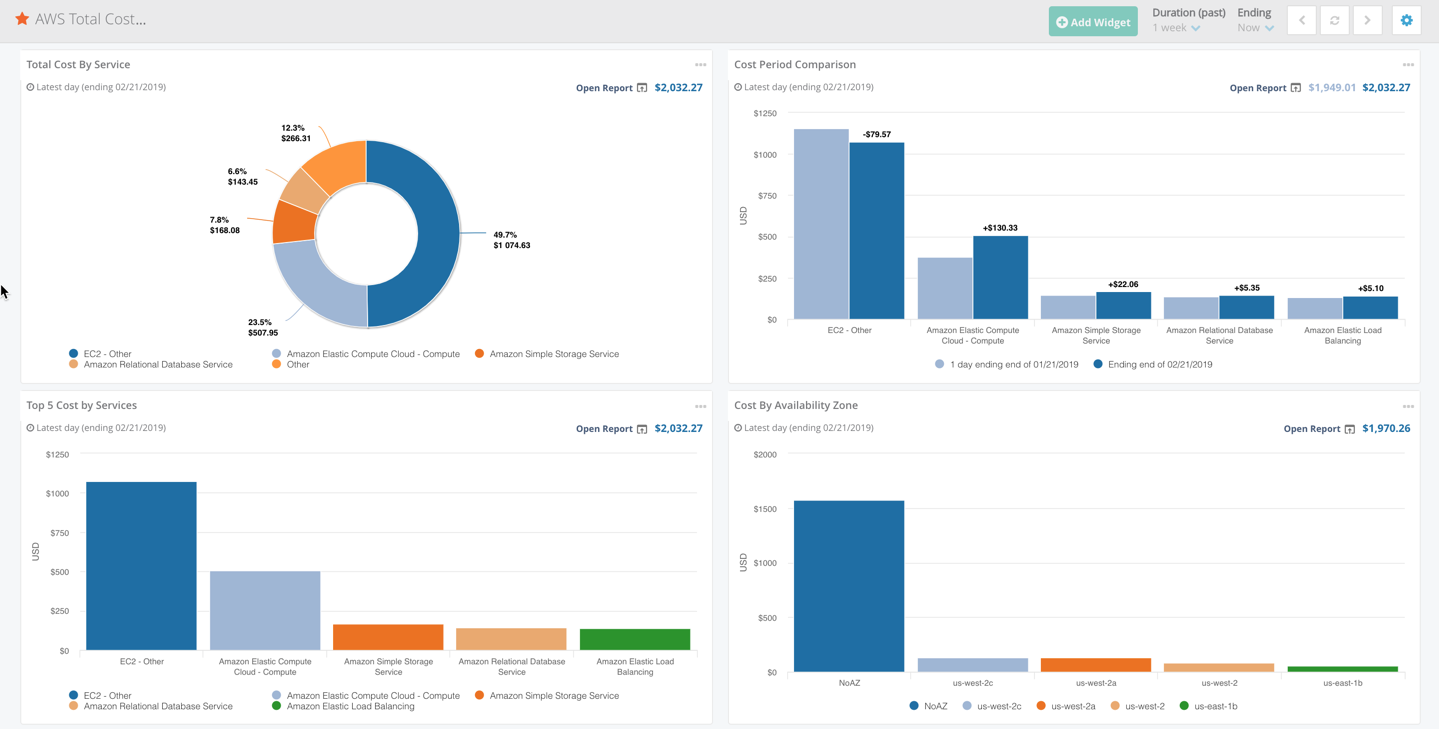
    The company’s CloudWisdom platform is based on technology Virtana gained via the acquisition of Metricly earlier this year. In addition to being integrated with existing on-premises offerings from Virtana, CloudWisdom has been expanded to include a self-service option. Downloadable trial versions are also available.
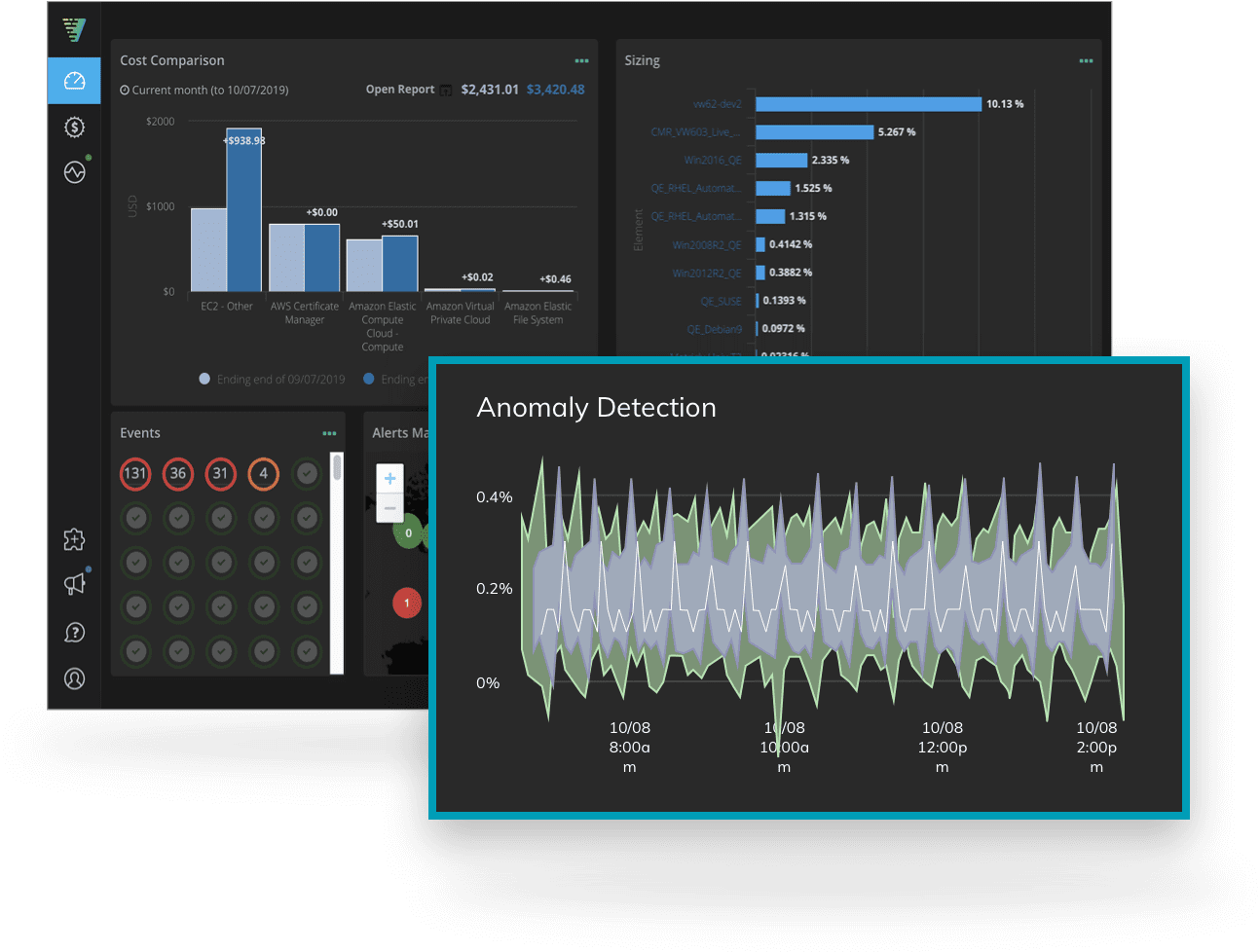
    Virtana CEO Philippe Vincent said the name change reflects a transformation from being simply a provider of storage I/O performance testing tools to becoming a provider of an IT operations management platform infused with artificial intelligence (AIOps). As part of that effort, the CloudWisdom offering represents the first time Virtana has extended the reach of its offerings beyond on-premises IT environments, he said.

    CloudWisdom will differentiate itself, Vincent said, because it combines cloud monitoring with built-in tools for optimizing cloud costs. Rival offerings require IT organizations to acquire two separate services, he noted. The CloudWisdom platform monitoring capabilities span databases, messaging platforms and containers, as well as cloud infrastructure services from Amazon Web Services (AWS) and Microsoft.

    In general, Vincent said IT organizations are moving away from a reactive approach to managing IT to a more proactive approach that will require increased reliance on automation. As IT environments become more complex, too many IT organizations are trying to compensate by overprovisioning IT infrastructure resources to make sure application performance doesn’t deteriorate or applications crash. That approach not only drives IT costs higher, he said, but it also makes those costs unpredictable.

    To address that issue, Virtana is combining CloudWisdom with an AIOps platform designed to be equally applicable in legacy IT service management (ITSM) and emerging DevOps environments. Organizations that have adopted DevOps will be at the forefront of the transition to AIOps because of the inherent fluidity and velocity of those environments, Vincent noted. Machine learning algorithms coupled with real-time monitoring, big data analytics, workflow engines and automation frameworks will enable IT teams to streamline ITSM and DevOps processes to become more efficient. The opportunity for Virtana is to disrupt a highly fractured monitoring category by leveraging AIOps to unify monitoring at an unprecedented level of scale and scope, he added.

    Virtana is not the only IT management platform provider that has identified the same opportunity; much larger incumbent providers of these platforms and a raft of startups are moving in the same AIOps direction. Vincent said Virtana will differentiate itself by pursuing a more application-centric approach to delivering on the promise of AIOps.

    It’s too early to say to what degree IT operations can be automated using AI. There’s general agreement that AI will play a significant role in automating IT, and the more standardized the IT environment is, the easier it is to accomplish. The challenge is, most IT environments today are still anything but standardized.

    — Mike Vizard

  • Virtual Instruments Aims to Meld DevOps, ITSM Worlds

    Virtual Instruments Aims to Meld DevOps, ITSM Worlds

    Virtual Instruments today announced additions to an IT management platform that leverage machine learning algorithms to identify application drift and dynamically right-size virtual machines.

    Tim Van Ash, senior vice president of products for Virtual Instruments, said version 6.2 of the company’s VirtualWisdom platform is part of an ongoing campaign to meld the traditional world of IT service management with best DevOps practices using an AIOps platform. As part of that effort, Virtual Instruments last month acquired Metricly, a provider of tools for monitoring cloud costs in real-time.

    The latest update to that platform also adds tools to monitors, reports, forecasts and alarms against the capacity consumption rate of any application, while a capacity forecast alarm now allows IT teams to specify how many days, weeks or months they wish to be notified prior to potential capacity exhaustion occurring on any one node or cluster.

    Finally, Virtual Wisdom 6.2 provides access to updated VirtualWisdom Proactive Dashboards that provide access to Smart Charts, through which the AIOps platform now supports annotation, linking and smart naming in addition to topology views that are specific to a set of IT infrastructure or an application.

    Van Ash said the Virtual Instruments approach to AIOps is that it allows IT teams to respond to changing application conditions in real-time and set granular limits on how much capacity can be consumed by any particular application. For example, IT teams can ensure that specific applications are given a Platinum-level preference that prevents any other application from consuming resources allocated to that application, he said.

    In general, Van Ash said Virtual Instruments is pursuing an application-centric approach to AIOps that will make it easier for IT organizations to optimize IT infrastructure capacity dynamically. Rather being overly focused on utilization rates and tracking events, AIOps platforms need to be able to address the entire IT life cycle as it relates to the value that IT environment has to the business, he said, noting today many DevOps teams are building and deploying applications with little regard or actual control over the service levels those applications need to achieve and maintain. The goal, he said, is to provide a single platform through which DevOps and IT operational teams steeped in legacy IT service management (ITSM) models such as ServiceNow can collaboratively achieve a common set of goals.

    A day of reckoning is coming for proponents of DevOps and IT teams that have built sprawling IT environments employing ITIL-based processes. Those ITIL-based processes are not especially flexible, but they have been employed successfully to roll out applications at scale consistently. Advancements in AIOps should go a long way to bring the two schools of IT management together by making it easier to bend the available IT infrastructure resources to the will of multiple application developers trying to share a common pool of resources.

    In the meantime, no one should expect AI to solve their problems magically overnight. It takes a while for algorithms to solve all their IT headaches. However, the days when the relationship between developers and IT operations teams could be described as mostly contentious soon may be coming to a merciful end.

    — Mike Vizard

  • Virtual Instruments Acquires Metricly to Monitor Cloud Costs

    Virtual Instruments Acquires Metricly to Monitor Cloud Costs

    Virtual Instruments has acquired Metricly, a provider of a software-as-a-service (SaaS) application that help organizations to optimize the deployment of cloud application workloads.

    Tim Van Ash, senior vice president of products at Virtual Instruments, said Metricly employs machine learning algorithms to identify opportunities to improve performance and reduce costs. Those capabilities complement an existing VirtualWisdom platform from Virtual Instruments to apply machine learning algorithms to optimize IT operations, otherwise known as AIOps.

    Virtual Instruments focused exclusively on enhancing storage I/O performance before extending the reach of its portfolio to include server performance. With the acquisition of Metricly, the company is further extending the portfolio to span hybrid cloud computing environments, said Van Ash.

    Metricly, formerly known as Netuitive, provides analytics tools that are focused on helping organizations contain cloud costs.

    Metricly CEO Bob Farzami said the company’s tools increasingly are being incorporated via application programming interfaces (APIs) into DevOps processes to provide visibility into costs, as the number of applications deployed in the cloud expands and increases. The acquisition of Metricly adds more than 50 integrations to open source DevOps technologies to the Virtual Instruments monitoring portfolio, which spans databases, messaging platforms, containers and cloud infrastructure services such as AWS Lambda, EC2, ECS, ASG, EMR, Microsoft Azure VMs and Load Balancer.

    Those integrations are critical because as the number of services being made available on AWS increases, the visibility organizations have into their real cloud costs becomes more difficult to both discern and limit, said Farzami. There are already hundreds of cloud services on AWS. Cloud service providers often count on organizations to forget how many instances of, for example, virtual machines they have spun up, only to be presented with an unexpected bill at the end of the month. Those issues will be further exacerbated as organizations more aggressively employ multiple cloud platforms.

    Many organizations are also seeing cloud costs rise over time as the volume of data being dynamically accessed by stateful applications increases. Once those costs reach a certain level, those organizations are realizing it costs less to repatriate those applications back on into on-premises IT environments. Metricly provides a mechanism through which organizations gain more visibility into their cloud costs in real-time, but also identify when specific cost thresholds are about to be reached.

    It will be at least somewhere between five to 10 years before even the majority of application workloads are running in the cloud. Today, after more than 10 years, only about 20% of application workloads are running in public clouds. There are a whole host of reasons organizations still prefer on-premises IT environments, ranging from regulatory requirements and performance to cybersecurity and simple inertia. Wherever workloads wind up being deployed, however, the one thing DevOps teams can count on going forward is that someone in the finance organization soon will be asking more pointed questions about how much it costs to run that workload.

    — Mike Vizard