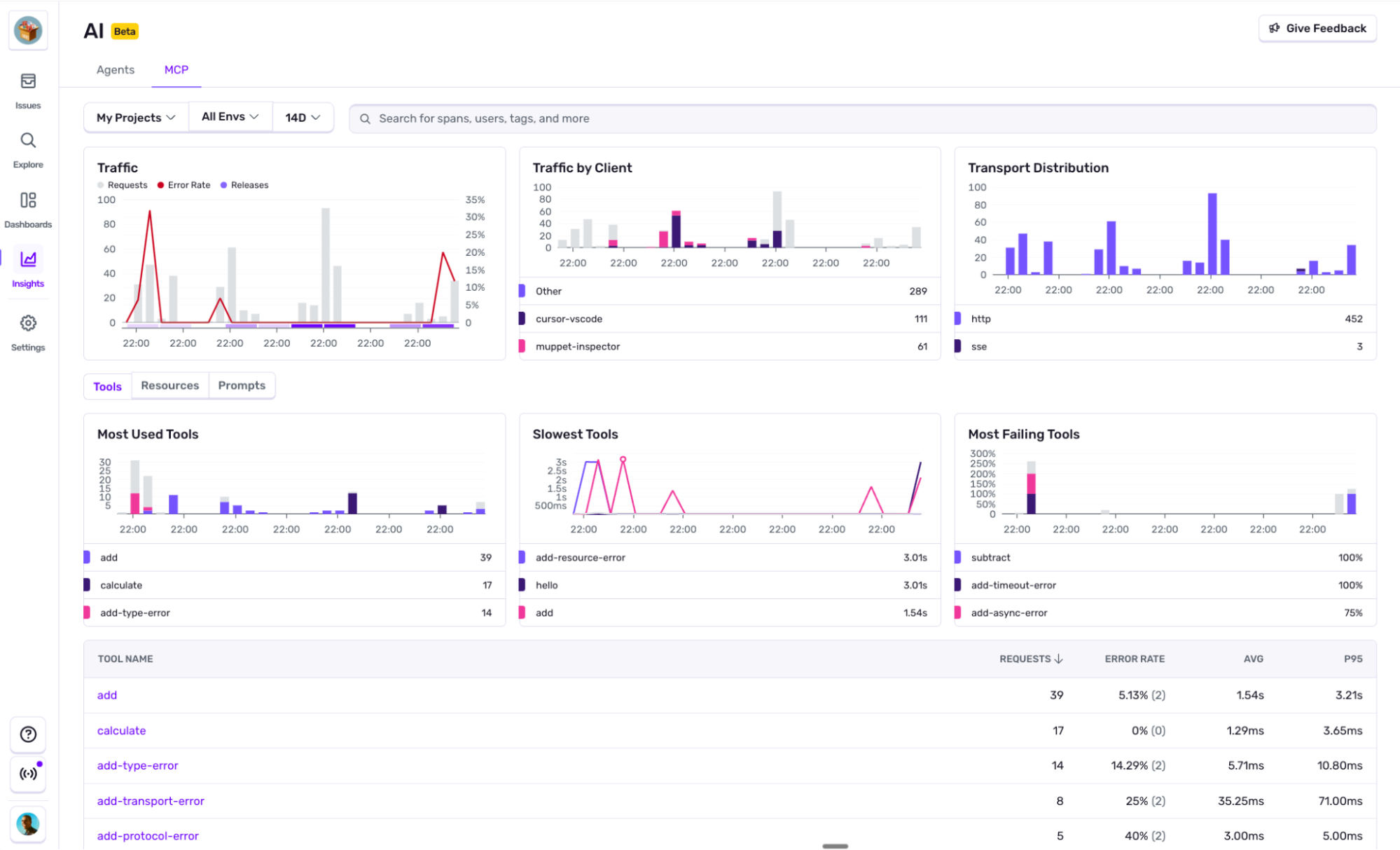
The landscape of software development is undergoing a profound transformation, driven largely by the rapid advancements in AI. As developers increasingly integrate AI models into applications, a new challenge has emerged: Resource and tool fragmentation. Building sophisticated applications often involves stitching together disparate AI models, diverse tools and various data sources through complex, point-to-point integrations. This approach is not only time-consuming but also inherently unscalable, leading to repeated code modifications for different platforms or contexts.
But what if there was a universal connector, a standard protocol that could streamline this complexity, much like a USB-C port simplifies connecting various devices to a laptop? This is precisely the problem Model Context Protocol (MCP) aims to solve.
What is MCP and Why Does it Matter?
MCP is an open standard protocol designed to standardize how AI models understand and effectively use the tools and resources available to them. Think of it as that universal connector for your applications. Instead of building custom integrations for every new tool or platform, developers can create a single “MCP server” for a tool, making it instantly accessible across any client or system that supports the protocol. This paradigm shift means you can “build once and then start using it” across a multitude of AI-powered applications.
The core benefit lies in standardizing the communication between the tool and the AI model once and then being able to reuse it. Imagine a scenario where a developer builds a tool for working with AI using Python. If the same tool is needed in a collaboration software or an integrated development environment, this would require significant code changes. With MCP, the standardized approach eliminates this repetitive work, allowing for seamless integration and reuse of tools.
Revolutionizing the Developer Experience
MCP promises to profoundly impact the daily lives of developers by transforming how they interact with their toolchains. Currently, many agentic IDEs often “guess” how to perform actions, leading to inefficient API calls and slower iteration cycles. MCP addresses this by providing agents with a trusted set of tools that deliver consistent and reliable outcomes. This means agents can achieve desired results faster, with fewer wasted resources, significantly boosting productivity and reliability.
A key concept emerging from this shift is “vibe coding.” Instead of memorizing complex command-line interface (CLI) syntax or constantly referring to documentation, developers can express their intentions in natural language to an AI agent. The MCP server then interprets this natural language, identifies the correct tools, and executes the appropriate commands. This iterative, conversational approach not only accelerates development but also mitigates issues arising from outdated training data in AI models, as the MCP server ensures the agent uses the most current and correct commands. Moreover, sophisticated MCP tools can provide corrective instructions back to the agent if a mistake occurs, further optimizing the development loop and reducing unnecessary API calls.
Building a Secure and Interoperable AI Ecosystem
The power of MCP extends beyond individual developer productivity to foster a robust and secure AI ecosystem. The concept of certified or pre-validated MCP servers will play a crucial role, making it easier for organizations to discover and integrate trusted tools. Alongside these vetted options, the flexibility to register private or external MCP servers ensures that proprietary tools and internal logic can also be exposed securely.
For example, AWS, Box, Cisco, Google Cloud, IBM, Notion, PayPal, Stripe, Teradata, WRITER and more are planning to offer plug-and-play MCP servers in AgentExchange, Salesforce’s AI agent marketplace for Agentforce. Organizations can connect Agentforce, Salesforce’s digital labor platform, to PayPal’s MCP server, allowing them to benefit from a full range of agentic commerce capabilities.
A critical aspect of enterprise adoption is security and governance. Organizations need assurance that their data and policies are upheld when AI agents interact with external tools. This can be addressed through centralized “agent gateways” where MCP servers can be registered. These gateways enable administrators to allowlist specific tools, ensuring only approved functionalities are exposed to agents. Additionally, the ability to wrap custom MCP actions with business policies provides essential guardrails, maintaining control over how these external tools operate within an organization’s context.
Concerns about data security, particularly regarding the use of proprietary data for training external large language models (LLMs), are paramount. By leveraging trusted, managed, or “platform-hosted” MCP servers, organizations can ensure that their data remains within secure boundaries, mitigating the risks associated with general-purpose LLM. These secure environments prioritize trust, offering managed and controlled experiences for exposing organizational logic and assets over MCP.
The Path Forward
MCP marks a significant step toward a more interconnected, efficient, and secure future for AI-powered development. By standardizing the interaction between AI agents and tools, it addresses critical fragmentation issues, enhances developer productivity through intuitive “vibe coding” experiences, and provides the necessary governance for enterprise-grade AI adoption.
As the AI landscape continues to evolve rapidly, open standards like MCP will be instrumental in unlocking the full potential of AI across all industries.