Tag: Helix

  • BMC Extends Scope of ServiceOps Initiative

    BMC Extends Scope of ServiceOps Initiative

    At the BMC Exchange conference this week, BMC revealed it has updated its Helix IT service management (ITSM) platform to include mapping and discovery capabilities. Those updates make it simpler for cross-functional teams to correlate incidents, alerts and data and pinpoint root causes faster.

    In addition, BMC is now applying pre-trained artificial intelligence (AI) models to observability data and the service models it tracks to assess service health, predict service impacts and proactively manage IT environments as the volume of metrics, events, and alerts continues to increase.

    Finally, BMC also announced that the BMC Helix Control-M orchestration engine now supports open source Apache Airflow, a workflow management platform for defining data pipelines using a Python programming tool.

    Margaret Lee, vice president and general manager for digital service and operations management at BMC, said these updates extend a unified ServiceOps initiative the company launched last year to unify ITSM, DevOps and customer service desk workflows. While each of these disciplines may have distinct objectives—such as speed and reliability—that are often in conflict with one another, Lee said it’s apparent IT organizations need to reduce the current level of friction that is often encountered when managing IT.

    As a software-as-a-service (SaaS) platform, Lee said the BMC Helix platform achieves that goal via a consumer-like user interface that can be easily personalized. The goal is to make it simpler to create virtual agents, knowledge bases, live chat and tickets that make it easy for customers and employees to request IT help, she added.

    Achieving that goal, however, will require IT organizations to rely more heavily on AI models to automate routine tasks as IT environments become more complex. There are simply not enough IT professionals available to manage IT environments using legacy processes, she noted.

    In addition, end users and customers are expecting service requests to be automated in way that allow them to resolve issues via a mobile device, added Lee. In many cases, how cumbersome IT processes now has a direct impact on both customers and employee retention. The primary goal is to reduce the number of interactions required to complete a task such as changing a password or provisioning a laptop whenever a new employee needs to be onboarded.

    While the pace at which IT management is evolving will vary greatly from one organization to the next, it’s apparent that many DevOps principles are being absorbed into traditional ITSM platforms. The challenge is that cultural divide between DevOps teams and centralized IT teams is still very wide. Most organizations are still trying to determine how far left they want to shift responsibilities toward application development teams versus continuing to rely on IT administrators using graphical tools to centrally manage IT workflows. It’s rarely going to be an all-or-nothing proposition. Rather, the issue is finding a way to strike a balance that enables organizations to be as agile as possible without introducing unacceptable levels of risk to resiliency.

  • Perforce Melds Artifact Package Manager with Version Control Platform

    Perforce Melds Artifact Package Manager with Version Control Platform

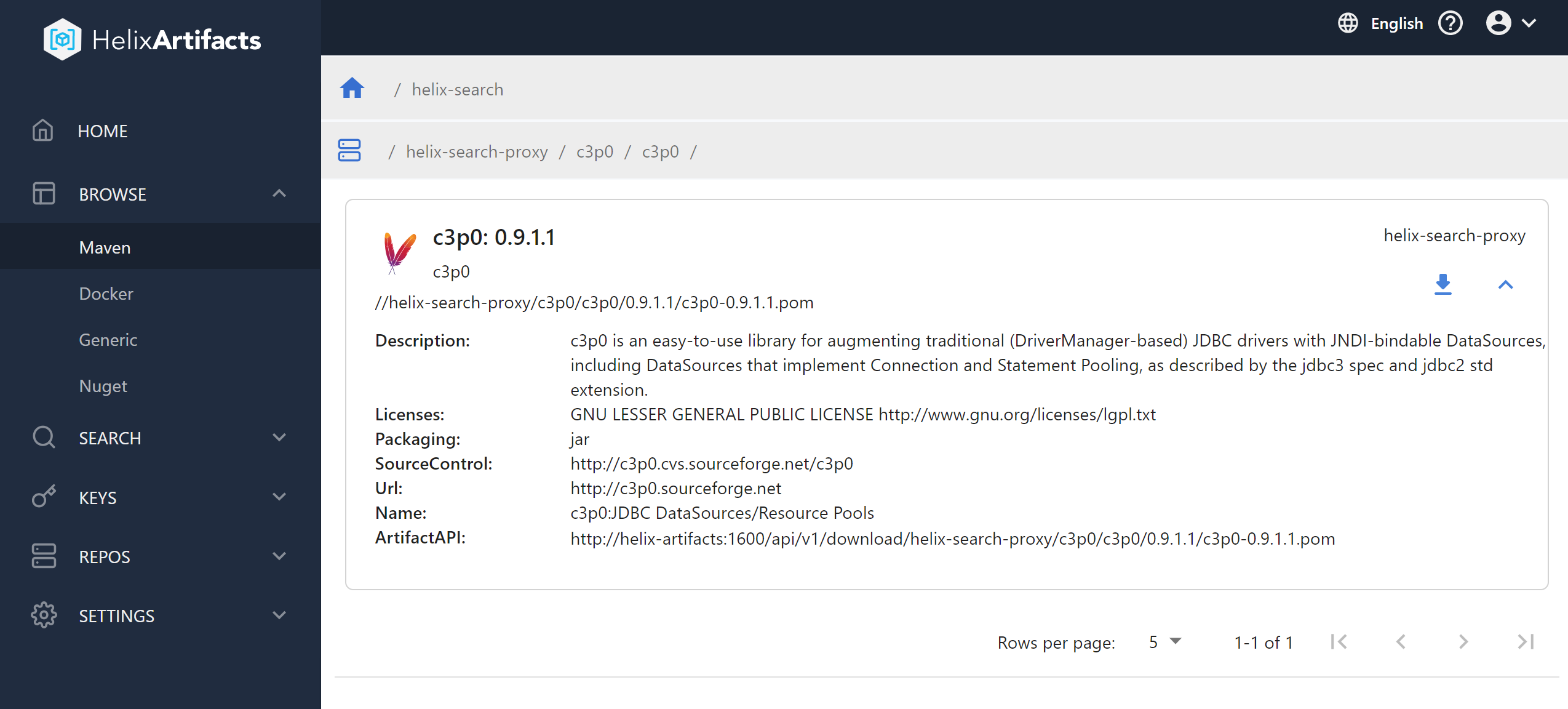
    Perforce Software has added a universal package manager, dubbed Helix Artifacts, to its portfolio that enables users of its Helix Core version control platform to store and track source code.

    Gerhard Krüger, product manager for Helix Core digital asset management at Perforce Software, said the goal is to enable DevOps teams that employ Helix Core to access a package manager without having to exit Helix Core.

    That approach also provides a more secure and cost-effective way to store, consume and distribute artifacts that also serves to improve developer productivity, he added. The ability to manage artifacts on top of a version control platform also means DevOps teams will not need to set up additional storage infrastructure or configure separate security permissions just to distribute software packages, noted Krüger.

    Perforce

    Helix Artifacts is a self-hosted package manager that functions as a translator for packages such as NuGet, Maven or Docker that enables them to communicate directly with Helix Core as well as build systems and integrated developer environments (IDEs). Helix Artifacts is made available via a per-server subscription model that costs substantially less than rival approaches to managing artifacts, Perforce Software claims.

    Most DevOps teams are trying to strike a balance between employing best-of-breed tools to build applications and the need to reduce complexity and, ultimately, cost. As such, any time a tool becomes a feature of another platform that a DevOps team uses, there will be a review of the processes being employed. Many DevOps teams are trying to reduce the amount of time they spent maintaining tool integrations.

    There’s also now a lot more focus on software supply chain security. Each new tool generally creates yet another set of credentials that need to be protected as cybercriminals continue to aggressively attempt to inset malware into applications before they are deployed in a production environment. It’s not clear to what degree DevOps teams are looking to consolidate toolchains, but given those rising security concerns, it’s only a matter of time before security teams start to ask why the DevOps toolchain attack surface is so wide.

    In the meantime, the number of organizations that have widely embraced DevOps best practices across the enterprise continues to steadily grow. Over the past decade, most organizations have had at least one application development team embrace DevOps. However, as the pressure to build software to drive digital business transformation initiatives has steadily increased since the onslaught of the COVID-19 pandemic, the need to apply DevOps best practices to accelerate application development has become more pronounced. As a result, more organizations than ever are looking to standardize their application development efforts on a smaller number of platforms to reduce friction.

    It’s too early to say whether the rate at which applications are being developed and deployed since the start of the pandemic has actually increased. The one thing that is certain, however, is the bulk of organizations are now trying to accelerate like never before.