Tag: devsecops

  • Vulnerability Management for DevOps Teams: A Practical Guide

    Vulnerability Management for DevOps Teams: A Practical Guide

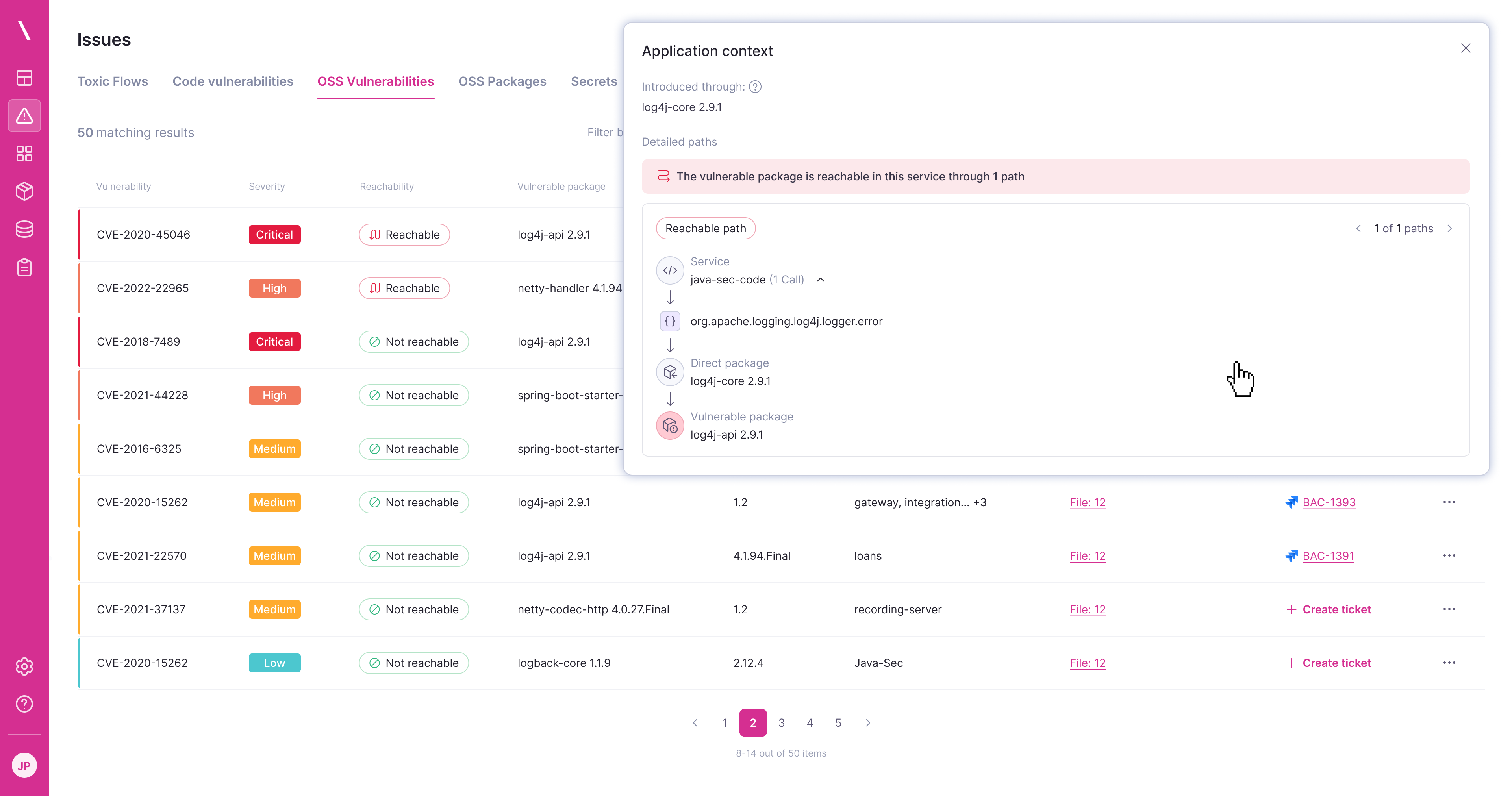
    Vulnerability management is a process that includes the identification, categorization, prioritization and resolution of security vulnerabilities in software systems. It involves a continuous cycle of protection to ensure that your digital assets are secure and your operations are running smoothly.

    With the rapid evolution of technology, fast-moving cloud-native systems and evolving cyber threats, it’s critical to stay ahead of the game. The goal is to close the gap between the discovery of vulnerabilities and their resolution, thereby minimizing the window of opportunity for potential attacks.

    Vulnerability management is not just about finding and fixing vulnerabilities. It’s also about understanding the nature of the vulnerabilities and the potential impact they could have on your network and systems. This understanding informs the prioritization process, helping teams decide which vulnerabilities need immediate attention and which ones can be addressed later. See this blog post for an in-depth review of vulnerability management.

    Why is Vulnerability Management Important for DevOps Teams?

    With the DevOps approach, development and operations teams work together throughout the software life cycle. This collaboration results in faster development times and more reliable software. However, the fast development cycle also introduces new security challenges. This has given rise to the DevSecOps paradigm, where developers, operations teams, and security experts collaborate during all stages of the development lifecycle.

    Here are a few reasons vulnerability management is a critical part of DevSecOps practices:

    Early Detection of Vulnerabilities

    DevOps teams are under constant pressure to deliver high-quality software quickly. However, the speed of delivery should not compromise the security of the software. Vulnerability management helps DevOps teams identify vulnerabilities early in the development process. This early detection allows teams to address security issues before they become serious problems.

    Early vulnerability detection is not just about finding vulnerabilities; it’s also about understanding the potential impact of those vulnerabilities. It involves analyzing the vulnerabilities to determine their severity and the risk they pose to the system. This analysis informs the prioritization process, ensuring that the most critical issues are addressed first.

    Building Continuous Security Into CI/CD Pipelines

    Integrating vulnerability management directly into continuous integration/continuous deployment (CI/CD) pipelines is essential for maintaining continuous security. CI/CD pipelines automate the steps in software delivery, from code integration to deployment, ensuring faster and more consistent releases. By embedding vulnerability management into these pipelines, DevOps teams can automatically scan for and address security vulnerabilities at each stage of the software development life cycle.

    Incorporating vulnerability management tools into CI/CD pipelines allows for automatic scanning of code repositories, container images, and even infrastructure-as-code (IaC) configurations for known vulnerabilities. This integration means that any security issues are identified as soon as code is committed or containers are built, not just at the deployment stage. The advantage of this approach is twofold: It reduces the risk of deploying vulnerable software, and it allows developers to fix issues in their context of development, making the process more efficient.

    Cost-Effective Development and Operations

    Implementing vulnerability management can lead to cost savings for DevOps teams. By identifying and resolving vulnerabilities early in the development process, teams can avoid the high costs associated with fixing security issues after the software has been deployed. In addition, vulnerability management can help prevent costly security breaches that could damage the company’s reputation and result in financial loss.

    Moreover, vulnerability management can contribute to more efficient operations. By systematically managing vulnerabilities, teams can avoid wasting time and resources on low-priority issues. Instead, they can focus their efforts on addressing the most critical vulnerabilities.

    Enhancing Cross-Team Collaboration

    Vulnerability management can also enhance cross-team collaboration within the DevOps environment and between DevOps and security teams. By providing a clear framework for identifying, categorizing, prioritizing and resolving vulnerabilities, it fosters a shared understanding of security issues among team members. This shared understanding can facilitate communication and cooperation, ultimately improving the software product’s security posture.

    Strategies for Integrating Vulnerability Management Into DevOps Processes

    Adopt a ‘Shift-Left’ Approach

    The ‘shift-left’ approach is a strategy that involves shifting the security measures to the early stages of the DevOps pipeline. Traditionally, security checks and vulnerability assessments were conducted toward the end of the development cycle, often leading to late discovery of security flaws and vulnerabilities.

    By shifting these security measures to the left, i.e., to the earlier stages of the development cycle, DevOps teams can catch and fix security vulnerabilities early on. This approach aligns well with the DevOps philosophy of early error detection and continuous improvement.

    Automation of Vulnerability Scanning and Detection

    Automation is at the heart of DevOps. It allows for rapid, reliable and consistent processes, freeing up the team to focus on what they do best – delivering quality code and features. Automation should also extend to vulnerability management.

    Automating vulnerability scanning and detection means integrating security tools into the DevOps pipeline that can automatically scan the code, detect vulnerabilities and even suggest fixes. This approach ensures that security checks are not skipped or forgotten and that vulnerabilities are dealt with promptly.

    Security as Code

    Another strategy for integrating vulnerability management into DevOps processes is embracing the principle of security-as-code. This principle treats security infrastructure and configurations as code, allowing them to be part of the DevOps pipeline.

    By adopting security-as-code, DevOps teams can ensure that the security configurations and infrastructure are always up-to-date and follow the best practices. Like the rest of the code, security configurations can be version-controlled, reviewed, tested and automatically deployed.

    Collaboration Between Security and DevOps Teams

    One of the key tenets of DevOps is collaboration between different teams. In a DevSecOps paradigm, this collaboration extends to the security team as well. Integrating vulnerability management into DevOps processes fosters close collaboration between the security and DevOps teams.

    The security team can provide valuable insights into the security landscape, vulnerability management tools and best practices. On the other hand, the DevOps team can ensure that these insights and tools are integrated into the DevOps pipeline.

    Continuous Monitoring and Feedback Loop

    Continuous monitoring is crucial for effective vulnerability management. Continuous monitoring ensures that the security state of the system is always known and that any changes or vulnerabilities are promptly detected. The feedback loop ensures that the insights gained from monitoring and vulnerability assessments are fed back into the development process, leading to continuous improvement in security.

    Regular Training and Awareness

    Finally, regular training and awareness are crucial for integrating vulnerability management into DevOps processes. DevOps teams should be trained in security best practices, threat landscape, and use of vulnerability management tools.

    Regular training ensures that the team stays up-to-date with the latest security trends and vulnerabilities. Awareness sessions can help the team understand the importance of security and vulnerability management, encouraging them to take an active role in securing the system.

    Conclusion

    In conclusion, integrating vulnerability management into DevOps processes is not only possible but crucial for secure and reliable systems. Adopting a shift-left approach, automating vulnerability scanning and detection, embracing security-as-code, fostering collaboration, implementing continuous monitoring and feedback and ensuring regular training and awareness are some of the strategies that can help achieve this integration. 

    Remember, vulnerability management is an ongoing process that requires commitment, collaboration and continuous improvement.

  • Synopsys Report Sees Steady Application Security Gains

    Synopsys Report Sees Steady Application Security Gains

    An analysis of the security automation practices of 130 organizations published today by Synopsys suggests significant progress has been made toward securing software supply chains in the last year. However, much work still remains to be done.

    The annual Building Security In Maturity Model (BSIMM) report found there has been a 22% increase in the number of organizations creating software bills of materials (SBOMs) this year. Additionally, there has been a 10% increase in the number of organizations tracking open source software risks.

    At the same time, there has been a 25% increase in the number of organizations that are fixing all defects found in software and a 15% increase in the number of organizations that can identify potential attackers and track attack patterns.

    The report also sees significant gains in activities related to software development practices (44%), penetration testing (35%) and compliance and policy controls (21%). Usage of application behavior monitoring and diagnostics grew 64% and monitoring automated asset creation grew 45%, respectively.

    The finding and publishing of secure design patterns, the required use of approved security features and frameworks and the use of application containers to support security goals all grew about 25%, according to the report.

    However, the report also noted that usage of possible attack lists dropped by 31%, while expert-driven tasks such as building and applying adversarial security tests declined 25% and use of centralized defect reporting dropped 18%.

    The most widely used processes are implementing security checkpoints and associated governance (91%), creating or interfacing with incident response (90%), identifying privacy obligations (88%), using external penetration testers to find problems (88%), ensuring host and network security basics are in place (87%) and automated code review tools (86%).

    Jamie Boote, associate principal security consultant for the Synopsys Software Integrity Group, said the report suggests more responsibility for cybersecurity is shifting everywhere as organizations rely more on automation to apply security controls. Application development and IT operations are, as a result, able to address vulnerabilities more proactively either before an application is deployed or as soon as a vulnerability is discovered, he noted.

    The challenge organizations will encounter when it comes to automating security processes is there is a tendency to set and forget. Once a process becomes automated, not enough organizations will reevaluate that process as the cybersecurity threat landscape continues to evolve, noted Boote.

    Of course, the rate at which security processes are being automated varies widely from one organization to the next, but the more automated they become, the less dependent organizations become on application developers who typically don’t have a lot cybersecurity expertise. All too often, application developers are rushing to meet software delivery deadlines at the expense of security best practices. Unfortunately, it’s usually only a matter of time before an issue that was avoided is later discovered in a production environment and is considerably more problematic to update, given all the dependencies between software and infrastructure that exist.

    One way or another, however, a pending wave of regulations will soon force organizations to pay more attention to securing software supply chains. The only thing left to determine in the absence of automation is how painful the reengineering of DevOps workflows to embrace DevSecOps best practices is going to be.

  • How Encryption Innovation Will Power Cloud Privacy for Developers in 2024

    How Encryption Innovation Will Power Cloud Privacy for Developers in 2024

    For developers, the surge in cloud computing adoption has brought both new opportunities and challenges. On the one hand, developers are turning to cloud services for data storage, processing and accessibility due to their flexibility, convenience and cost-effectiveness. And because the cloud takes care of these infrastructure and operational concerns, it’s allowing developers to focus on coding, innovation and delivering value to end-users. It also allows companies to scale more easily when their market grows or when new hardware becomes available.

    However, this paradigm shift has led to the accumulation of vast volumes of sensitive data on remote cloud servers—including personal, health, financial and proprietary business information. As the volume of sensitive data on the cloud continues to grow, it has naturally raised mounting security concerns, from data breaches and cyberattacks, to unauthorised access and the complexities in complying with specific industry regulations, such as GDPR or CCPA.

    For some, having to rely on the cloud provider to maintain robust security practices and data protection has also led to hesitancy in sharing data, both within and between organizations. This not only limits the potential for data-driven collaboration, research, and innovation—essentially halting progress in fields like health care, science, and social sciences—but businesses of all types and sizes could miss opportunities for cost savings, scalability, and efficiency if they’re not willing to adopt innovative technologies. There are also cases when companies are forbidden to do something by law because of privacy, again causing roadblocks.

    All of this has meant that up until now, maintaining data privacy while making the most of cloud computing has been somewhat of a balancing act for developers and companies. Companies want to fulfill their clients’ needs, while developers have to find technical solutions that provide the level of privacy required.

    Traditional Encryption methods Vs. Fully Homomorphic Encryption (FHE)

    Currently, there are several technologies and practices employed to protect data in the cloud, one of the most commonly used being traditional data encryption, which provides protection only during data transmission and storage.

    However, when data is processed, it must be decrypted—at which point it can expose data to eavesdropping, rendering it susceptible to potential threats. The aim of FHE is to ensure that the computations can be carried out on cloud-based machines while the data itself remains encrypted. With FHE, the data is really encrypted end-to-end: not only is it encrypted during transport and storage, but also it is encrypted during computations. It is only when the data or results are sent back to the client side that they are decrypted.

    This means that in the event of a data leak, the exposed information would be rendered meaningless without the decryption key, which stays securely in the hands of the owner. In other words, neither the cloud provider nor any potential spyware on the cloud machine would have the capability to decrypt the encrypted data.

    This approach, which ensures sensitive data remains encrypted throughout its entire life cycle on the cloud, even during processing and analysis, significantly enhances data security and privacy.

    Current Limitations and FHE’s Future Developments

    While developers using traditional cloud services previously had to decide whether to use the cloud with some privacy concerns or forgo its benefits altogether, with FHE we are starting to see a possible shift in attention from users’ reliance on the cloud provider to a more user-controlled approach.

    As FHE becomes more widespread, users gain the ability to make their computations over any cloud provider, even those they may not fully trust. This means the upfront costs of building new cloud platforms can be lowered by providing only FHE computation.

    While the encryption of data ensures that computations are secure and no unauthorized access or breaches can occur, this new tech is not without its limitations. For the enhanced security FHE offers, there may come a trade-off of longer execution times. Presently, we are mainly reliant on CPUs for computations. However it’s worth noting that as the technology advances and hardware accelerators become available, the execution time is expected to improve in the future. In fact, we anticipate that by 2026, FHE implementations will see a considerable increase in speed, potentially by factors of 100x or 1,000x, expanding the applicability of FHE to a wider range of use cases.

    Other benefits currently being worked on include usability. FHE had a reputation of being very complex and so used to be reserved for those with cryptography PhDs. By developing open source tools and extending the community’s knowledge around FHE, the aim is to democratize FHE so that anyone can use it, companies can experiment free of charge and check if it fulfills their needs.

    Looking to the future, privacy will likely remain high on the agenda for almost everyone. Thankfully, with new encryption technologies rapidly developing in terms of speed and usability, developers look set to achieve this, ensuring their cloud-based applications and services are as secure as possible.

  • Is SASE the DevSecOps of Infrastructure Management?

    Is SASE the DevSecOps of Infrastructure Management?

    DevOps gained traction when IT and Ops (operations) teams recognized that traditional silos and handoffs were leading to inefficiencies and delays in software delivery. While DevOps enabled seamless collaboration and delivered on its promise of speed and efficiency, security remained an afterthought. To overcome the security loophole, DevSecOps emerged, proposing a shift-left approach to security. It emphasizes conducting tasks like security scanning, vulnerability assessment, and compliance checks all throughout the CI/CD pipeline.

    With DevSecOps, speed no longer comes at the cost of security.

    The DevSecOps approach has helped organizations strike the right balance between security and agility in software development. As the infrastructure landscape continues to evolve with the rise of cloud and edge computing, resource-intensive AI and ML initiatives, and distributed workforces, organizations must establish a similar balance between security and ubiquitous connectivity. This is where secure access service edge (SASE) comes in.

    SASE’s Philosophy is Similar to DevSecOps

    As legacy networks — characterized by rigid hardware-based infrastructure — struggled to keep pace with the demands of modern business, SD-WAN emerged as a solution, providing flexibility, centralized management and dynamic traffic routing. However, when distributed computing and remote work virtually dissolved the corporate perimeter, perimeter-focused security tools were no longer sufficient either. Today, enterprises must extend their security capabilities to almost unlimited network access points.

    SASE addresses this challenge by merging networking and security into a single cloud-native framework. It integrates the entire security stack across all edge locations, ensuring secure connectivity between users, applications and resources no matter where they are. Just as DevSecOps shifts security to the left, making it an inherent part of the entire SDLC (software development lifecycle), SASE shifts security to the network edge, making it an inherent part of network connectivity.

    The strategic resemblance between the philosophy behind SASE and DevSecOps is uncanny.

    1. Breaking Silos

    DevSecOps breaks down the silos between DevOps and security teams, promoting collaboration and shared responsibility. In a similar vein, SASE unifies all network and security functions into a single architecture, effectively dismantling the conventional boundaries between the networking and security teams. It allows both teams to jointly manage, monitor, and secure the infrastructure and network traffic through a unified management dashboard. SASE also effectively breaks the data silos that leave security teams with no insights regarding the networking conditions. SASE’s single pane of glass visibility enables networking and security data correlation, broadening each team’s perspective and eliminating tunnel vision for accurate and robust threat detection and an enhanced security posture.

    2. Embracing the Cloud

    DevSecOps aligns perfectly with cloud-native technologies like infrastructure as code (IaC) and containerization technologies like Docker, making it imperative for cloud-first and cloud-ready organizations. On the other hand, SASE is inherently cloud-native. It delivers network and security services from the cloud, providing organizations with the agility and scalability needed to meet the dynamic demands of a distributed environment.

    Traditional back-haul-based connectivity and perimeter-based security solutions introduce latency and coverage gaps. SASE performs network and security functions at the edge, closest to wherever resources and users are. This eliminates the need for disparate on-premises point solutions and extends corporate security perimeter to match the cloud’s global reach.

    3. Agility Through Automation

    DevSecOps emphasizes automation of security tasks, such as security checks, scans and compliance assessments, within its continuous integration and continuous delivery (CI/CD) pipelines. SASE also leverages automation for networking and security tasks, such as dynamic policy enforcement, AI-driven threat detection and response, and network optimization through dynamic routing and self-healing properties. Automation reduces the need for manual intervention, bolsters security, simplifies operational tasks and enables organizations to respond to evolving demands and circumstances faster, crucial for agile environments.

    SASE as an Enabler for DevSecOps

    Just as DevSecOps enhances security within the context of application development, SASE enhances security and efficiency within the realm of networking and infrastructure management. Both approaches share the common goals of integrating security, promoting automation and ensuring scalability. They may apply these principles to different aspects of IT and cybersecurity, but DevSecOps and SASE can work together seamlessly to support modern IT environments.

    Many organizations adopting DevSecOps realize that they lack the necessary infrastructure to support this approach effectively. DevSecOps demands seamless global collaboration and the integration of security controls across the entire IT environment. This is something SASE can help with. It can simplify infrastructure management and enhance security for DevSecOps in several ways. It offers ubiquitous connectivity for seamless collaboration, provides built-in security measures for faster incident response and ensures reliable infrastructure. As such, these are all crucial aspects for achieving the ultimate DevSecOps goal of delivering secure and high-performance applications at speed. With SASE, organizations can set their DevSecOps up for success.

  • Transitioning Legacy Systems to DevOps: The XDR Support Paradigm

    Transitioning Legacy Systems to DevOps: The XDR Support Paradigm

    In today’s rapid and evolving technological landscape, DevOps emerges as a frontrunner in development methodologies, promising agility, efficiency and continuous delivery. While companies are keen to leverage its benefits, the transition from legacy systems can be fraught with challenges. Integrating extended detection and response (XDR) while making this transition can serve as a powerful tool to manage these challenges. In this article, we will delve deep into the potential pitfalls of this transition and explore the remedial measures with the aid of XDR solutions.

    The Legacy System Quagmire

    Legacy systems are often monolithic, siloed and heavily dependent on older technologies. According to a report by Forrester, a staggering 72% of corporate architectures still run on legacy systems. These systems, while operational, often lack the flexibility and scalability required for a DevOps-driven environment. They can become roadblocks, slowing down processes and becoming vulnerable points of failure.

    The Inherent Challenges

    Scalability Concerns: DevOps emphasizes scalability. However, legacy systems weren’t built with this level of dynamism in mind. Most legacy systems face scalability issues when introduced to DevOps practices.

    Security Vulnerabilities: The older tech stacks are more vulnerable to modern-day threats. Without continuous updates, these systems become an attacker’s paradise. This is where XDR solutions come into play, offering real-time threat detection and response across the infrastructure.

    Integration Hurdles: Legacy systems often struggle to integrate with modern tools used in DevOps, from container orchestration tools like Kubernetes to configuration management tools like Ansible.

    XDR to the Rescue

    Holistic Threat Detection: XDR’s primary strength lies in its comprehensive threat detection across networks, clouds, endpoints and applications. This compensates for the potential vulnerabilities of legacy systems, providing a safety net.

    Real-time Responses: XDR doesn’t just detect threats; it actively responds to neutralize them. As per a study by IDC, integrating XDR can reduce incident response times by up to 50%, ensuring that any security breach on legacy components is swiftly managed.

    Forensic Capabilities: Understanding the root cause of issues is paramount. XDR solutions come with forensic capabilities, allowing teams to understand the “how” and “why” behind incidents, an essential feature when dealing with older systems that may lack documentation.

    Migrating With Minimal Friction

    Training and Skill Development: One of the most underrated challenges is the lack of skills in managing and migrating legacy systems. Investing in training and reskilling can bridge this gap. A recent survey by DevOps Institute revealed that 72% of organizations that prioritized skill development found transitions, including to DevOps, smoother and more efficient.

    Pilot Programs: Before a full-blown transition, it’s wise to run pilot programs. This involves migrating a smaller, non-critical segment of the legacy system and integrating XDR support. The lessons learned here can guide the broader migration.

    Continuous Monitoring: Post-migration is not the time to be complacent. Using XDR’s monitoring capabilities, teams should continuously oversee the newly migrated segments for any anomalies or performance issues.

    Infrastructure-as-Code (IaC) and Legacy Systems

    Bridging the Gap with Automation: DevOps heavily leans on the principle of automation, and infrastructure-as-code (IaC) plays a pivotal role in achieving this. However, legacy systems often don’t align seamlessly with IaC principles. By using IaC platforms like Terraform or CloudFormation, organizations can create templates for legacy systems, making them more malleable for DevOps operations.

    Ensuring Compliance: One challenge with legacy systems is maintaining compliance, especially when regulatory standards evolve. IaC, when coupled with XDR’s continuous monitoring, can ensure that these older systems remain compliant. According to a 2021 report by Puppet, companies that adopted IaC methodologies witnessed a 60% faster compliance update implementation time on their legacy systems.

    Cultural Shifts and Organizational Dynamics

    The Human Element: While the technical challenges of migration are tangible, the human element is often overlooked. Employees used to legacy systems might resist transitioning to DevOps practices, fearing obsolescence or due to comfort with older methods.

    Change Management: Addressing this requires an organized change management strategy. Workshops, seminars and constant communication can assuage fears and foster a culture of continuous learning. A study by the Harvard Business Review highlighted that organizations that integrated change management strategies had a higher success rate in technical transitions, including shifts to DevOps models.

    Collaborative Approach: It’s essential to foster a collaborative environment where both legacy system experts and DevOps enthusiasts work together. XDR’s collaborative tools can be instrumental here, providing a platform where teams can discuss XDR solutions, share insights and collaboratively respond to threats.

    Conclusion

    Transitioning from legacy systems to a DevOps model is not a mere technical challenge; it’s a transformative journey for the entire organization. The challenges, while significant, are not insurmountable, especially with tools like XDR providing support. By understanding the pitfalls and leveraging advanced solutions, businesses can ensure a smooth transition and harness the power of DevOps to its fullest.