Howard stepped off the elevator and into the lobby. His eyes were puffy and felt like someone had scrubbed them with sand paper. Looking around the office, he made a beeline for the coffee machine. It was one of those fancy jobs where you use a touch screen to select all the different flavors, textures and aromas. Howard thought they all came out tasting like boiled socks. As the last few drops of black sludge dripped into the mug, Lisa peeked her head around the side of the machine.
“Getting ready for stand up?” Lisa asked, eyeing Howard’s coffee.
“Getting ready for life.” Howard grumbled as he headed towards the stairs. “You coming?”
“To stand up, yes. To life, not until I have some of this delicious coffee-flavored oatmeal. See you upstairs.” Lisa said, putting a cup into the machine and starting to make her first of 30 mandatory selections.
Howard strolled into the Operations area, starting to feel a little more human with some coffee in him. Looking around, he spotted Paul hunched over his keyboard, typing furiously. His desk was in its standard form of disarray. Empty Diet Coke cans covered the desk, with a few crumpled in the middle like fallen soldiers on a battlefield, the other cans standing around the crumpled ones in mock solemnity. The keyboard was one of those mechanical DAS keyboards with the blue keys, so it made clicking noises as Paul’s fingers danced across them.
“Good morning Paul.” Howard said as he lumbered to a stop beside Paul. Paul raised one hand in a warding off gesture.
“Can’t have any more interruptions or I’ll never get this done. See you in five minutes at the stand up.” Paul said without looking up. With that, his hand flew back to the keyboard to join the other, like a juggler taking in another bowling pin and seamlessly integrating it with the ones he is already juggling.
Howard nodded and shuffled off to large Kanban board on the wall of the Operations bay. It was a large screen projecting the digital board onto the wall via a small Raspberry Pi. Howard was quite proud of this board. It had taken some time to convince the team that they could use Kanban in such an interrupt-driven world as Product Operations. The team went through several iterations before coming to the current board on the wall and even now they were willing to make changes.
All new tickets for the team funneled into the backlog column on the left side of the board. These were automatically marked as untriaged. The team would review these tickets in the morning stand up and then prioritize them as a team. This excluded emergency tickets which were closely inspected. Emergency tickets would enter directly into the Expedited Lane of the board, and the team would swarm them until completed. Those tickets were almost exclusively the domain of outages and customer impacting events. New tickets filtered in through either email or the BOT in the Operations Slack room.
The team began gathering around the board to review and prioritize the tickets in the backlog. Howard noticed that there were a few tickets in the active column that he didn’t recognize. He made a mental note to ask the team about this after they “walked the board.” The team took turns reading the new tickets in the backlog, and they discussed the work effort, blockers, dependencies and perceived priority of each. The tickets were then rearranged to be in order of priority with highest on top. Next they worked from left to right, with each person explaining the tickets they were responsible for.
“I noticed that there are a couple tickets in here that were not there yesterday and were not covered in the triage. How did that happen?” Howard asked before everyone drifted back to their desks.
Chris Fallon, known simply as Snark to everyone else, spoke up. “Those are the ‘important people’ tickets, boss. They are the ones we get from the constant ‘drive-bys’. You know, when an exec or a sales person steps into your cube and tells you that this is going to be the next big thing that makes millions.”
“Wait a minute.” Howard said, turning to look at Snark. “I thought we all agreed that we would only take tickets in via the backlog, unless it’s an emergency.”
Snark laughed, “Yeah, well, they seem to think their poor planning and ineptitude is somehow synonymous with being my emergency.”
Howard took a deep breath and said, “OK, we can’t do this or it undermines the process. When this happens, it’s like the person standing over your desk is saying their time is more valuable than yours. That is simply not true. Let’s take the guidelines we all agreed upon for expedited tickets and print them out. We will put them up on the wall and the next time someone comes up with a ‘favor to ask’ point them to the rules. If they still don’t let up on you, point them to me. We have to be fair, though.”
Howard thought for a long moment and said, “OK, here is what we will do. We will hold daily traffic court for anyone that puts in a ticket. This is completely optional, of course, but if the person feels like it is an emergency, and yet doesn’t meet the qualifications, they can come to the stand up the next morning and plead their case. If it seems like the need is real, the team can agree to put that item above all the other items to be next pulled into the Kanban process. This doesn’t mean we swarm it like an outage, but they do get to the top of the pile. Thoughts?”
Everyone silent for a moment, and then the agreed. Everyone but Snark, who continued to look up at the ceiling, apparently deep in thought. At last he lowered his eyes to the group and said, “This will work, IF you get the right people on board first AND you support all of us in sticking to the rules.”
Howard nodded and said, “I already have a mental list of the people we will need on board. I’ll get that taken care of today. Can you write this up and get it up next to the Kanban board?”
“I’m on it.” Snark said, and turned with the rest of the team to leave.
The concept of the traffic court ended up paying dividends in ways Howard hadn’t counted on. It turned out that, much like regular traffic tickets, people didn’t want to invest their time to come in and argue the case with the court. Instead, they decided to take the easier route of just paying the fine. This was their opportunity cost; time over money was the same as time over prioritization. There were cases where people would show up and win or lose their case. In the end, Howard and the Operations team began to understand who was just wanting to jump line and who had a genuine need. It was no surprise that each type tended to be repeat offenders. Over time, the ones exhibiting negative recidivism, began to learn that their behaviors were time-consuming and not being validated. Their behavior didn’t change but how they actively interacted with the team did and thus the outcome was still the one Howard’s team wanted.
The need for faster time to market and superior quality is getting intense in the software development process. Software trends for 2017 suggest that DevOps will grow as a trend and become more widely accepted across enterprises. Organizations are reaping the benefits of DevOps approach and are incorporating the rules within every aspect of software testing. A case in point: DevSecOps—security testing integrated with DevOps—is an emerging concept and is being considered by enterprises to execute application security testing.
The underlying objectives of adopting DevOps are to make the testing and development process more collaborative, ensure software quality and to help launch the product faster to the market. This makes quality assurance (QA) a key component in the DevOps methodology. New-age applications need real-time changes and updates to meet the growing demands of the consumer. This requires continuous testing, continuous development and continuous delivery/deployment. DevOps enables teams to constantly upgrade and deliver.
In 2016 a number of enterprises adopted DevOps. According to industry experts, 2017 will see more defining moments for DevOps. The idea of accepting DevOps is to consider a cultural shift and not just a technical shift. As digital transformation expert Jeff Sussna says about DevOps, “The key to following the continuous delivery path is to continually question your own assumptions about what’s possible.” Currently, DevOps is on the route of being questioned and defined at every level. It will result in bringing more value to the methodology.
Every enterprise and its style of working differs. The way they would adopt DevOps will differ, too. But digital transformation and the need to be available for customers all the time with new updates is transforming the way enterprises adopt new practices and methodologies. Every enterprise has to evolve in a sustainable manner, so quality is at the core of every practice, including DevOps.
Why is QA Integral to DevOps?
In the DevOps scenario, QA integrates into the testing and development process and takes the collaborative approach. Quality is ensured throughout the testing and delivery cycle and both the testing and development teams are responsible for it. In the traditional pattern, quality creeps in toward the end, but with DevOps it comes in at every level.
In terms of code development, the QA team pushes the new development code into production and DevOps facilitates to ensure a seamless deployment of infrastructure and tools. Thus, it helps in releasing a code on a consistent basis and the responsibility to ensure quality is not just limited to killing the bug; it is built in the overall application release.
In the current scenario, hourly releases are required to meet the demands of the consumers and deal with competition. Web/mobile applications such as an ecommerce or financial services application need to be updated frequently. It is a key business requirement. DevOps helps to make this possible, but with QA involved, the quality of the release is ensured. Moreover, with DevOps, the reality check can happen in real time rather than taking the code offline and testing it.
On the whole, the popularity of DevOps over the years has intertwined quality into every engineer’s responsibility, which is a positive sign. This helps in addressing the needs of the market and ensure that customers do not suffer. QA further enables and directs teams to check the application for performance and quality before it is delivered.
The role of QA in the current software development process is changing, where the customer comes into focus and the needs of the customer are brought into perspective while delivering the application. Releasing new and functional builds at any point through the application’s life cycle can become a disaster if quality is not ensured constantly. Automation of tests plays a critical role to guarantee quality and bring speed.
Building a QA strategy with the necessary best practices is essential for organizations that are embracing the DevOps movement. This will help in delivering effective software development and operations to achieve user experience. DevOps practices are adopted to improve the regularity of the releases and reduce the defects. It is a methodology that boosts rapid, short, iterative development and deployment of applications.
So, the idea of incorporating QA is to ensure continuous improvement in the delivery process. DevOps helps digital enterprises to meet the needs of the competition and enable overall business growth. As a result, enterprises are able to streamline and pace up the delivery of applications with changes and innovation.
Best Practices for Incorporating QA in DevOps
The key aspect to consider while merging QA with DevOps is that the QA and testing teams must team up with the technical teams. In this way QA becomes an enabler for ensuring quality in the software development cycle. In addition, it is important to define tangible aspects of the quality that are expected from the project/application. This helps in achieving results within stipulated time frames.
Putting down the quality metrics is absolutely critical in DevOps, which helps teams to identify bugs early in the development cycle. Defining the metrics also enables teams to integrate them within the organizational culture at various levels. In this way, quality is ensured at every level and development teams also get enabled.
The idea of DevOps is to make the developer think in line with testers and constantly check the code for potential errors. On the other hand, a tester who holds the responsibility to test the application/software with various testing tools and methodologies also needs to fix the code. In this way, enterprises with an inadequate QA or testing strategy cannot ensure continuous testing and continuous delivery.
In Conclusion
The application scenario is changing and it is getting very complex. DevOps can speed up the development, but what can you expect without a robust QA strategy? QA is absolutely integral to the DevOps process. Continuous development and delivery is impossible without a comprehensive QA/testing strategy.
This blog has been drafted in collaboration with Cigniti Technologies, an independent software testing company. Click here to read more blogs on DevOps.
About the Author / Komal Lopez
Komal Lopez works with Cigniti Technologies and is instrumental in helping enterprises take better decisions related to Quality Assurance products, tools and services by leveraging research and content. She specializes in writing about technology trends, testing trends and has been in the Marketing and Communications industry for over a decade. Connect with her at komal.lopez@cigniti.com
The countdown is on! Jenkins World 2017 is coming to downtown San Francisco, Aug. 28-31, for the annual opportunity to learn about all things Jenkins, DevOps and continuous delivery. This year’s event will be held at the Marriott Marquis and will bring together approximately 2,000 Jenkins users, comprised of Jenkins experts, IT executives, DevOps practitioners and partners from all over the world. The event is led and sponsored by CloudBees, the hub of enterprise Jenkins and DevOps, and will offer attendees opportunities to learn, explore and network, while shaping the future of Jenkins.
As a special offer to DevOps.com readers, we are offering a discounted registration. Use the promotional code JWDEVOPSCUST during your Jenkins World registration and get 20 percent off!
Need more convincing? Below are five reasons to attend this year’s Jenkins World:
Hear keynotes from industry leaders: Kohsuke Kawaguchi, founder of the Jenkins project, kicks off the conference with the opening keynote this year. Other keynotes you won’t want to miss include Sacha Labourey, CEO of CloudBees and Jez Humble, CTO at DevOps Research and Assessment LLC and co-author of “The DevOps Handbook,” “Lean Enterprise” and “Continuous Delivery.” Kohsuke will provide perspective on the dramatic milestones reached in the community this year, while Sacha will provide perspective on how CloudBees and DevOps are transforming industries. Jez will discuss DevOps principles and practices, how to overcome typical obstacles and the results companies are realizing from DevOps initiatives.
Attend optional training and workshop sessions: Leave Jenkins World a Jenkins master by getting certified and/or learning the fundamentals of Jenkins by attending trainings for the Certified Jenkins Engineer (CJE) exam, and the Certified CloudBees Jenkins Platform Engineer (CJPE) exam. There are several other training opportunities and a wide range of workshops addressing topics such as pipeline automation, Docker, Blue Ocean and more. Maximize the learning opportunities through the options offered early in the week, then stay for the conference and get exposure to another 60+ conference sessions.
Brush shoulders with the Jenkins stars: Get access to some of the biggest Jenkins experts in the world, attend their sessions and network with them. A sampling of sessions from the Jenkins World agenda includes:
You also won’t want to miss the ever-popular Ask the Experts booth, where Jenkins experts from around the globe address your specific issues and questions on the spot. You’ll return from the conference armed with a solution to that vexing issue you have been trying to solve!
Visit a variety of vendors: At the expanded Sponsor Expo you can check out a range of technologies that integrate with Jenkins as well as DevOps services provided by experts. Check out the booth swag and make sure to check out the news coming from the vendors.
Meet the Butler and snap a selfie: You may have seen the Butler on his wild social media adventures recently, but at Jenkins World you’ll have the chance to meet him in person. Don’t forget to snap a pic with him at the social media booth and share with your friends. There will also be Flat Jenkins floating around beforehand—stay tuned to social media (specifically #JenkinsWorld on Twitter) to see where he lands before Jenkins World!
All of this and so much more awaits you at Jenkins World. Go register now! Use this code JWDEVOPSCUST and get 20 percent off your conference registration.
See you soon!
About the Author / André Pino
André brings more than 20 years of experience in high technology marketing and communications to his role as vice president of marketing at CloudBees. He has experience in several enterprise software markets including application development tools, middleware, manufacturing and supply chain, enterprise search and software quality and testing tools. André has particular expertise in working with the executive teams of enterprise software companies to create unique competitive positioning, build pipeline and establish sustainable market leadership. Prior to joining CloudBees, he served as principal analyst serving technology marketers at Forrester Research. He has also held a number of senior management positions in marketing and communications with companies such as Segue Software, Hewlett-Packard, Unisys Corp. and Bluestone Software. André holds a BS from Eastern University.
DevOps has taken hold in IT. A growing number of organizations are adopting DevOps to deliver applications and services at higher speed; evolve and improve products at a faster pace than in a traditional software development and infrastructure management environment; and better serve their customers. After realizing the benefits of development and operations teams working together instead of in siloed environments, organizations are fast embracing the idea of DevOps.
To move forward in the DevOps journey, companies first should outline, identify and map the areas where they need improvement. Having a clear idea of maturity of your current IT infrastructure will help you greatly in that process.
What is a DevOps Assessment?
Adopting DevOps practices is not a one-day process. And, if it’s not done correctly, companies can do more harm than benefit. So, it is necessary for any organization to know whether the practices they are following are in line with the DevOps initiative. A DevOps assessment is nothing but a set of questions that personnel from different organizational areas can answer. Based on the analysis of the answers, the organization can see whether it is moving in the right direction. DevOps assessment helps outline current maturity and identify a road map of improvement areas.
Why go for a DevOps Assessment?
An organization with continuously changing IT and performance needs might be thinking of going for—or may have already started—a DevOps initiative. It’s important to ask the following questions:
Do I really need DevOps?
Is my infrastructure flexible enough for DevOps?
What value is DevOps going to add to my business?
Are my DevOps strategies right?
If yes, then the DevOps assessment is totally built for you.
What Are the Typical Questions in a DevOps Assessment?
A DevOps assessment comprises of three stages: Dev and Test, Release and Deploy, and Manage and Monitor—all of which are part of any product development cycle. The assessment includes questions mostly about production test cases and environment, test cases and test data, the level of automation, complexity, visibility, proficiency in the dev-test-release-deploy-manage processes, etc.
What Can You Achieve with a DevOps Assessment?
Once a DevOps assessment has been completed, organizations can get a clear idea of functional areas which are underperforming, performing as expected or overperforming.
A typical DevOps assessment report provides an evaluation of an organization’s current DevOps ability and recommendations for improvements based on the responses. Not only that, the organization also can get an idea of where it is compared to its competition, the expertise it needs to cement its position, the most valuable talent assets in the organization and the talent pool the organization needs to recruit. A DevOps assessment can help the organization align its software development and IT operations processes with business goals, and ship products faster without compromising with quality and with more reliability because of increased agility and ability to adapt to changes.
In short, it will help:
Technical teams to baseline their performance and understand strengths as well as areas of improvement
Recruitment team to develop capabilities and recruit related talent
Management team to target the investment areas
Operations team to understand the most critical operations
While DevOps has proven its accelerative impacts on development processes and timelines and quality assurance, it also imposes demands that every organization must be ready to address. DevOps Assessment is a real necessity to get an idea of where you are and where you can be on your DevOps journey.
About the Author / Chaitanya Jawale
Chaitanya Jawale is founder and CEO of Opcito Technologies, a leader in microservice-based product engineering and automation. Chaitanya comes with strong background in product engineering, datacenter automation, DevOps and multi-cloud orchestration and management.
Progress in achieving the maximum benefits to be gained from investing DevOps processes appears to be held in check by a failure to master the art of continuous testing. A new survey of 923 IT and testing professionals published this week by CA Technologies suggests that only 20 percent of the respondents could be classified as “leaders” when it comes to implementing continuous testing.
A full 93 percent of respondents identified testing automation as important, but only 1 in 5 respondents said they achieved a high level (80 percent or more) of test automation coverage. Seventy-five percent said continuous testing is important as well. Unfortunately, most of the respondents continue to rely on manual processes. In fact, respondents attributed continuous testing challenges to the lack of automation in almost every aspect of the testing process, including generation of test cases through test execution to critical activities such as fast, safe and efficient test data management.
Scott Edwards, senior director of product marketing for CA Technologies, says failure to automate continuous testing will only lead to an increased DevOps divide. Organizations that have automated DevOps processes not only release more code faster, the report find they enjoy advantages such as:
• 2.3 times more likely to have succeeded in left-shifting testing activity to developers;
• 2.6 times more likely to reduce defects by more than 50 percent;
• 2.4 times more confident in quality of output;
• 1.9 times more confident in speed of delivery; and
• 3.9 times more likely to be working in an organization exhibiting rapid revenue growth.
Edwards says those results indicate that organizations that are further down the DevOps process will enjoy a substantial competitive advantage at a time when organizations of all sizes are realizing how dependent they are on software to differentiate themselves. Organizations may be operating in a variety of vertical industries, but increasingly they are becoming software companies that happen to specialize in a specific area, says Edwards.
Making that shift requires IT organizations to move away from thinking about developing applications as an art to building what amounts to a software factory, he says. The factory approach not only eliminates silos in the DevOps process, it also should ideally allow developers to continuously test their own applications. Of course, the biggest issue with testing may very well be the simple fact that most developers build applications today using notebooks and workstations that don’t accurately reflect the complexity of the data center environments those applications will ultimately be deployed in. However, thanks to the rise of technologies such as service virtualization and cloud-based development environments, it has become easier to more closely mimic production environments.
The degree to which an absence of continuous testing impedes both the rate at which applications are deployed in a production environment will naturally vary by organization. But the one thing that is almost certain is that organizations that have mastered continuous testing are much more likely to deliver a quality application experience than those that don’t.
Ian Andrews, vice president of product for Pivotal, says that at least half of the company’s customers have a least one instance of Pivotal Cloud Foundry (CF) that they would like to have managed by a third party. The reason for that is two-fold. For one, the Cloud Foundry PaaS can be complex for many IT organizations to deploy and manage on their own; Andrews notes that Pivotal releases updates to its distribution of the Cloud Foundry PaaS every 90 days. That’s a cadence the average internal IT organization is not prepared to keep pace with without help from an external services provider, he says.
Also, increased usage of microservices based on containers running on Cloud Foundry is driving organizations to shift allocation of their own internal resources away from managing underlying infrastructure. By relying on managed services providers such as Rackspace to manage both the PaaS and the underlying infrastructure, Andrews says more resources can be focused on managing the DevOps pipeline.
Pivotal opted to partner with Rackspace because Rackspace is capable to supporting instances of Cloud Foundry running on a public cloud, in a hosting center or on-premises, he says, adding that 60 percent of the Pivotal instances run on VMware vSphere platform, while the rest are distributed across multiple clouds and other on-premises environments. Pivotal is a sister company of VMware, operating under the umbrella of Dell Technologies.
Brannon Lacey, vice president and general manager for applications and platforms at Rackspace, says his company is embracing Pivotal as part of a larger push to deliver managed services above the infrastructure level. Previously, Lacey says, Rackspace managed e-commerce and content management applications, then acquired TriCore to add a portfolio of managed ERP application services. However, the company doesn’t have any plans to add more PaaS environments to its portfolio beyond the Cloud Foundry PaaS curated by Pivotal.
Historically, managed services have accounted for about a quarter of all IT spending. But as the number of deployment options available to IT organizations continue to expand, Lacey says Rackspace is expecting the number of companies that look beyond their internal IT organizations to manage that complexity will only increase.
As more managed services providers become part of the DevOps pipeline, it’s clear that many companies will soon need to consider how to create processes that extend well beyond their own organizations. That may prove to be a significant challenge because of the cadence of the update process is dictated by the external entities. Of course, IT organizations can dictate the pace of the upgrades. But the further an IT organization falls behind in terms of upgrades, the more expensive the managed service tends to become. In short, there’s no such thing as a proverbial DevOps easy button.
If Microsoft has its way, many more DevOps processes will revolve around the cadence at which the company upgrades its applications. At its Inspire 2017 conference, the tech behemoth announced an ISV Cloud Embed initiative designed to entice more developers to add value by extending application functionality it has already developed and deployed in the cloud.
Rather than reinvent the same functionality over again, Microsoft will provide developers with access to its application at price points that are as much as 50 percent less than what an end user might pay, notes Alysa Taylor, general manager for Microsoft Business Applications and Industry. In addition, the company is promising to help software developer partners reach 100 million commercial active users of Office 365 and Dynamic 365 customers through the Microsoft AppSource online store.
The specific software modules the company is providing developers access to under this program include:
Dynamics 365 Embedded: a suite of business applications the company is hoping third-party developers will customize and extend across a variety of vertical industries.
Microsoft Flow Embedded: Makes it possible to customize workflows to automate business processes within their application.
PowerApps Embedded: Provides access to extensions that make it easier to deliver an application via a browser or as a mobile application.
Power BI Embedded: Allows users to easily embed fully interactive reports and dashboards.
This latest initiative is a logical extension of the work the company has been doing to entice developers to employ Microsoft Office as the front end for accessing a wide variety of back-end services.
The challenge IT organizations that go down this path will face is aligning the pace of DevOps with the rate at which the company is updating its applications.
Microsoft is not the only IT vendor that presents this DevOps challenge. The more a software developer invokes APIs, the more complicated managing the DevOps process can become. The whole concept of continuous integration/continuous deployment (CI/CD) can get sorely tested when control over when the back-end services being invoked via an API are updated.
In effect, software developers are being asked to make a buy-versus-build decision. To entice developers to make a buy, the company not only provides a common API framework, but also developers will be able to take advantage of any investments it makes in artificial intelligence across the entire Microsoft application portfolio.
Taylor says Microsoft is committed to working with partners to eliminate any competitive friction. The company is in the process of implementing a massive reorganization under which the company’s core technology groups are being aligned around four technology groups: Modern Workplace, Business Applications, Applications and Infrastructure, and Data and AI. The rest of the company is then being organized around a go-to-market strategy that is focused on education, financial services, government, healthcare, manufacturing and retail industry segments. Microsoft is looking for partners that can apply their own intellectual property to extend its core applications into each of those segments, says Taylor.
It remains to be seen just how well partnering with Microsoft can work on a practical DevOps level. But the one thing that is clear is that there will be no shortage of software developers who are about to find out.
In the technology world, we are in a time of incredible disruption and innovation. Many years ago, my friend and “DevOps Handbook” co-author John Willis predicted that a decade from now, academics will call this period the “Cambrian explosion” — it was an incredibly vibrant 25-million year period that resulted in an incredible diversification of cellular life forms, including the appearance of complex, multi-cellular organisms, setting the stage for the diversity of life we see today.
Similarly, over the last decade, we’ve seen an explosion of incredible innovation and disruption in almost every area of technology: cloud computing, containers, virtualization; Agile, iterative development, continuous integration and deployment, and automated configuration management.
One can be forgiven if all this change is overwhelming; I think we’ve all had moments in our careers where we think, “I’m not sure if I I’m up to learning how to tackle this next big thing.” Even someone who loves learning can become cynical, or maybe just fatigued by change.
But most of us, maybe with some calm reflection, will recognize that there’s never been a more fun time to be in technology. And many of these new techniques and practices lead to massively better ways of working, where after an initial learning curve, we’d never go back to the old way. I believe this actually calls for excitement! And, I’m not alone.
We recently hosted a live chat with multiple leaders in technology who’ve spoken at past DevOps Enterprise Summit events. As we are in full prep mode for the next event in San Francisco this November, we asked our esteemed panel to share about their career journeys in tech and their passion for learning and change. It was a great pleasure to be able to pick the brains of Dominica DeGrandis from LeanKit, Dr. Nicole Forsgren from DORA, Erica Morrison from CSG International, Terri Potts from Raytheon and Robin Yeman from Lockheed Martin. During the course of the discussion, each person shared how they got their start in tech and many of the lessons they have learned over the past 20 years in the industry. It was echoed throughout the discussion that while things are rapidly evolving, it’s an exciting time filled with continuous opportunities to learn, plenty of room for growth and time to experiment with new tools and processes. For the full video replay and transcript of the discussion, please see below.
Also, don’t forget to register for the 2017 DevOps Enterprise Summit San Francisco to hear more from leaders in tech and get a glimpse into their organization’s journey into DevOps. Early Bird pricing discounts are available until July 31!
Gene Kim: Hello everybody, welcome to this episode of the DevOps Enterprise Summit live chat. We are assembled here today with a group of people I’ve known for years, and people who I genuinely admire. They’re all experts and leaders in the DevOps Enterprise community who are helping shape much of the practices that are going to almost certainly be commonplace in technology organizations over the next decade. Over the last 20 years I’ve been studying high-performing technology organizations, and more recently it’s led to studying transformational leaders and trying to understand how they became transformational leaders. What I find fascinating is there’s evidence to suggest that these are traits that you are not necessarily born with, but instead they’re actually learned.
Over the next hour, my goal is to learn about these leaders on this panel, their careers and experiences that shaped who they are today. My desired outcome is that we’ll all learn something that we can integrate into our own respective journeys. As you’ll surely find out over the next hour, these are all great people. As a reminder, the upcoming DevOps Enterprise San Francisco event is taking place on Nov. 13-15, and for more information visit events.itrevolution.com. And just a reminder, Early Bird pricing ends on July 31st.
Let’s go quickly around the panel, and everyone, if you could just introduce yourselves, name, company role, when did you present DevOps Enterprise and what did you speak on, and free to speak to share any professional accomplishment that you’re most proud of. Dominica, let’s start with you.
Dominica DeGrandis: All right. Well, I was a build engineer, spent 20 years bringing visibility to what version of what file was on what server in what environment. Currently, I am the Director of Training and Coaching at LeanKit. I’ve spoken at DevOps Enterprise Summit for four years in a row now, mostly speaking about experience reports and metrics and making things visible. And I guess, my most professional accomplishment, I think it would have to be finding my courage to get up in front of a group of people, and explain or present data, and demonstrate how to get leadership buy-in with metrics.
Kim: Awesome, thank you. Erica Morrison.
Erica Morrison: Hi, everyone. I’m the Director of Software Development and Operations at CSG International in Omaha. We’ve spoken the past couple years at DevOps Enterprise Summit chronicling our journey through the DevOps space, and we’ll continue to tell that journey. Something that I’m most proud of, probably the things that have brought the most challenges in my career have actually been in the DevOps space. We’ve undergone a fairly major transformation this past year, brought a number of teams through that, but one team in particular who have made substantial improvements as far as stability and automation. That’s been really something that’s been fun to be a part of.
Kim: By the way, following your experience reports has been my favorites among every year at DevOps Enterprise, fantastic. Robin.
Robin Yeman: Hey, I’m Robin Yeman, a Lockheed Martin fellow. I’ve been working in engineering about 23 years in the defense industry on everything from submarines to satellites, and everything in between. I think my biggest accomplishment is really being able to see the change. When I first started doing Agile in DevOps, you really couldn’t see it, but now I start getting contracts and RFPs from the customer repeating verbatim what I told them before. It’s cool to see that the influence is there. It might not be as fast as I’d like it, but it’s there.
Kim: That’s awesome, and then you spoke last two years of DevOps Enterprise San Francisco and London.
Yeman: You’re right. Yeah, the last two years on transforming large legacy organizations way back. A combination between Suzette Johnson from Northrop Grumman and myself from Lockheed Martin, because we both had very similar journeys.
Kim: Awesome. Thank you, Robin. Nicole.
Nicole Forsgren: Yes. Hello, I’m Nicole Forsgren, CEO and chief scientist at DevOps Research and Assessment, otherwise known as DORA. I spent years doing software development, enterprise storage at IBM, and then I went and got my Ph.D. that might be my professional accomplishment that I’m most proud of is that I’ve been studying and researching what’s basically known as DevOps for the last 10 years, and then applying it and bringing what I found to the industry and in my work with Gene and Jez Humble, and the team at Puppet on the State of DevOps Report. We all lived through that 2000 dot-com bust, and we saw many companies fail and I don’t want to see that again. Really helping to make an influence in the industry and make things a little bit better is an accomplishment for me.
Kim: Awesome, thank you Nicole, and you spoke in I think every year at DevOps Enterprise. Fantastic. Terri Potts.
Terri Potts: Hi, I’m Terri Potts. I’m from Raytheon Company, and I’m the Technical Director of the Software Development Organization. Like Robin, we are focused on doing mostly defense- and Intel community-related contracts. I started in the software development business actually in the Air Force and spent 11 years there, moving through the ranks and came to Raytheon, and moved on to be an architect after doing development for several years and have been a champion for technology transformation since the early 2000s.
I’ve spoken a few times at DevOps Enterprise Summit. Once about our legacy transformation since we have been around for long, and a lot of our code is quite old. Last year, I spoke about how you build up your staff of people that can support your DevOps transformation because it’s hard to just go out and hire those, some ideas around how to go do that.
Kim: Awesome, thank you much Terri. And by the way, I remember meeting you at the IBM Interconnect Conference in 2014, and you were actually one of the first announced speakers at DevOps Enterprise, very grateful for that.
First, let me just state an assumption I have that there’s actually never been a more fun time and exciting time to be in technology even though things are rapidly changing. Actually the pace of change is what’s causing much fear for many professionals about our livelihoods, our vocations, but I genuinely believe that the best times are ahead of us not behind us. Do you believe that? And if so, why? Erica could we start with you?
Morrison: Sure. I think about when I came out of college with a computer science degree, and I was focused on writing one language and writing that language well, and now we’ve got the proliferation of numerous different technologies, different languages. Like you said, the pace is moving much quicker. We actually hosted a hackathon here. We’ve done two of them for college students and just a number of different technologies that they use was absolutely mind-blowing to me, but I find it extremely interesting to continue to evolve for all these different things. It’s not just this one little dedicated space anymore, it’s constantly learning these new things which I love to do. Its new challenges everyday which keeps work interesting for us, makes work about being lifelong learners. I love that continuing to learn throughout our career, and it’s just focusing on learning different things now.
Kim: Awesome. Robin, how about you?
Yeman: I absolutely agree. I’d really think it’s the most exciting time. Just like Erica was saying, the college kids are coming in with 15, 20 different languages, they’re bringing all kinds of new technologies, they’re bringing gamification. They’ve really brought some different leadership styles. It’s very exciting. I know that some of our engineers get nervous, but if you just grab on and join the ride its fun.
Forsgren: Honestly, that’s one thing I love about technology. I mean, it kept me engaged, it kept me excited. Back when I was doing a bunch of development work, there was always something new to work on. As you said though, there’s always that other piece. There’s always the other side of it. We’re working in systems with growing complexity and that does make it really, really difficult, and that’s something that we’re seeing when we work with companies with DORA, in our assessment. You have to make sure that you can focus, but you need to know what your constraint is, particularly when we’re working on technology transformations. We need to make sure we can focus on the most important thing. We need to make sure that we can limit our whip, we can focus on our constraints, we can identify what the most important thing is that we don’t have sprawl and just contribute to technical debt. But, I think that’s what makes our work challenging and exciting and meaningful.
Potts: I love change, and that’s why my career has taken me where it has because the more different things you get into I think the more rounded you are, and the more you’re able to adapt new technologies. And the way I see it today is all the technology changes especially with the automation that many of us are going through that transformation, and I have always seen that as drudgery. If you’re working in some factory, let’s automate all the drudgery out, and then that gives us time on our teams to explore more around analytics or machine learning. That’s exciting for me.
Kim: Yes, you make it sound exciting. Dominica, you’re smiling.
DeGrandis: Well, I’m just thinking back at my first job out of school after I got my computer science degree. It was more configuration management back then, that was getting everything on the mag tape from IBM and putting that in a library, physical library somewhere safe in order to deploy it into production. But I think for me, it’s just the amount of opportunity there is now. There is this massive amount of opportunity for everyone whether they have a degree in computer science or not to go out there with all the sharing. The ability to share and learn now is much greater than it has been previously.
Kim: That is true. I mean, there’s never been a better time to be a learner. There’s no cost to entry it seems these days.
DeGrandis: Absolutely.
Kim: I suspect that this isn’t the first time that you’ve seen this dramatic change in the industry in your career. I’d love it if you could tell us about that time and how it affected your thinking about how you viewed your skills, your career, and where it took you. Robin, would you mind starting?
Yeman: Sure. When I first started we had a lot of ToR trend and ADA going on, and I was worried about the next generation of ADA, and whether they would even be able to keep up. So, just like that Dominica and the rest of the folks have said, I spent a lot of time at night trying to study, make sure I could stay on top of it because I was working with these amazing engineers and I just didn’t want to fall behind. I do the same thing now.
Kim: And by the way, I mean in a scale of 1 to 10 what level of fear did you feel? One is like it’s just another book no fear, 10 is existential fear of, “I might not be able to finish the book and therefore my career is over.”
Yeman: I work with some engineers—they’re smart that I was terrified. I’d say way up at 8 or 9 out of 10 because some people just get it quick and I have to work at it—I’m just not a natural. I was terrified.
Kim: by the way, it reminds me of learning Clojure very recently. It’s my first script language and I think I had to do 40 hours of reading before I could write a single line of code. It was just, it was very challenging, but very rewarding but all very intimidating. Nicole, how about you?
Forsgren: My first job in tech was when I was still in college, and it was on a mainframe. I was coming out of my associates in like ’99, and that was the big Y2K, everyone’s panicked, and it really fundamentally shaped what I thought about tech in many ways. Everyone was panicked, there was this big dot-com bust, and I alluded to this earlier, “Survival isn’t mandatory, companies can fail.”
That’s one piece where it really shaped what I do is that I don’t want to see companies fail. I’m sure you all have talked to me at conferences, and suddenly I just dig in, and I’m passionate. I have this drive to make sure we know we can find ways to help companies not fail, but it fundamentally affected me in a different way in that in the late ’90s, there was almost a tactical way to address the problem and it was teach everyone fundamental things. People look at me, they’re like, “How do you do mainframes?” It was mainframe, COBOL, Fortran and that was all we were teaching many students because we desperately had a very tactical need to make sure that when we hit 2000, the world didn’t end, technologically.
And then I did a bunch of consulting, and then I got a Ph.D., and then I was a professor. We’ve almost taken this other stance of we only want to or we’re very purposeful now, and I think it’s led to complexity sometimes in technology, but we want to make sure that we understand the purpose behind what we’re doing. We want to make sure that we have flexibility, we’re strategic, and we aren’t just tactical.
So, we designed the State of DevOps reports. They’re vendor and tool agnostic. We tell you about the principles that are important, the architectural designs that are important, the principles behind using version control are important. We aren’t going to tell you to use Git or Subversion, we’re going to tell you to use Subversion control. That’s the other thing that’s really impacted my career is that I need to make sure that if I walk into a situation I can tell someone from a conceptual level what’s really fundamentally important to improve their technology practice, and it won’t be tied to only a specific technology because that can end up being limiting. If you only tell someone teach someone a language, but not the fundamentals behind that language, it won’t work.
Kim: Principles are timeless and those things are not. Awesome, Terri.
Potts: When I think about this, the thing that comes to mind for me is probably about 20 years ago when systems software architecture started becoming a first-class citizen, at least at Raytheon. I remember seeing the first book, and one of my mentors saying, “Hey, I’m going to have a study group on software architecture do you want to join?” And I wanted to join and started seeing it as a way to grow my career, and be able to influence bigger parts of the system, and try to make things more maintainable, and really make good decisions going forward instead of just sort of stumbling into things. I wouldn’t say I was afraid, but I was really curious, and certainly felt like it was something that I needed to keep up with and did a lot of studying on my own outside of the office with study group, learning everything I can from them.
Kim: Sounds very interesting. In this case, it was like a mentor who actually sort of directed you down a certain direction. There seems to be a pattern of having great mentors. Fantastic, Dominica.
DeGrandis: When it comes to dramatic change, I have to say hands down 2005 or 2006. I was working at Corbis at the time managing environments, and we went from building out maintaining 25 servers to building out maintaining 250 servers over a period of 9 to 12 months. It was just impossible to manually build out servers. We had to start automating, and developers were like, “Builds take too long.” They wanted to put their own changes in their own dev integrated environment, and they took it seriously. They said, “Okay, then you get to own that dev environment like you build it, you maintain it. Then, I’ll just go build out maintain QA and staging inner prod.” That was huge dramatic change I think, and just being able to adapt to that and quickly was the biggest lesson for me there.
Kim: And specifically, was it dramatic because it was such a different way of doing things or it was dramatic because the role change and responsibilities for you, or what made it dramatic?
DeGrandis: Because for the previous six years we have had this process where we just dole out responsibilities, who’s doing what and how we’re doing it, and now that was turned on its head because we had to deliver faster, we had to deliver better quality, we had to get these environments up and running, and everything just exponentially grew with the number of servers and the number of environments. The way that I had been working for the last six years which had been fairly successful was completely different. That’s the second law of thermodynamics, everything is always in constant change and motion.
Kim: I love it. This is the famous story that’s in David Jay Anderson’s book, and in your upcoming book, Dominica. Fantastic, and Erica your dramatic changes in a certain point of your career.
Morrison: In addition to the ones that have been mentioned, there’s a couple that come to mind for me. First of all, the introduction of Agile. I started my career very waterfall. I probably wrote code for three to six months before I even chucked it in to the point that other people were using it which now is obviously mind-blowing to us, but that’s how we did software development back then. That’s been a major upheaval in pretty much all of our processes is around how we do software development.
I think overall, all these items point to the fact that software is constantly evolving, it’s not a static thing. When the next thing comes out we’re used to this evolution of change. It’s something that as developers, we just accept it, and look to learn the next best thing and how we get to evolve and continue to get better.
Kim: And physically what’s different or dramatic about the Agile transformation from your perspective?
Morrison: Pretty much everything about it, just the concept of batching work up into small little pieces. I’ve participated in helping roll out Agile with other teams, and it’s somewhat mind-blowing to these teams that you can take this big amount of work and you can even slice it up into one week or one day increments, and chuck that in and have this daily accountability with my team members. That test is now my responsibility and how am I going to automate that because as a developer, we want to automate that test as much as possible. It’s just much more of this integrated, fast-paced, all of us owning all the work and focusing on flow through the system.
Kim: I do remember that it was around 2005, we had just started our first experiments on Agile and even finishing something in a week was mind-blowing. That’s how long it took us to fill out the PRD forms usually. I love these amazing stories that you’re sharing. If you could compare yourself now to the person you were 20 years ago, what were the most important and significant differences between yourself now and yourself then? What skills did you have to develop? Nicole, let’s start with you.
Forsgren: Twenty years ago, as you think back, there’s no Facebook, there’s no Twitter, there was barely email. It existed, but not really. I mean, definitely all the technical skills, but for me learning how to be a leader and how to interact with people, and how to exert influence in a soft power sort of away.
Again, going back and talking to people that I knew 20 years ago there was learning how to do things in more of a nuanced sort of way, which you need to do when you’re managing large projects. For me, it’s been a soft skills thing. I always joke that technology is easy and people are hard, even as complex as technology can be. That was probably my biggest piece of learning.
Kim: In many parts what we work on, they’re all volunteer projects. And even the softer skills are necessary when everyone’s volunteering their time. Great, Terri.
Potts: Twenty years ago I was finishing up my last year in the Air Force and doing some leadership things, but much more as an individual contributor. I have a good view of what it was like to be on the Air Force side managing big contracts, and testing systems and operations. But since then I think that there have been a few things that I really had to develop. One was my network, the group of people that I learned from, and that has definitely grown in the last four years outside of Raytheon. I had a pretty good network within Raytheon, but once I met Gene and started participating in DevOps Enterprise Summits and the Forum, I just love how that career or that network has grown from there.
I’ve also always been interested in really staying with modern technologies and finding ways to make our teams more efficient, I think that’s always going to be something that’s changing. You always have to stay on top of what the latest thing is that’s helping your teams be more efficient. And the Agile transformation too because definitely we were waterfall all the way in the Air Force, and for the first several years that I was at Raytheon.
Kim: That’s interesting you mentioned network. One my favorite quotes is, “You’re only as smart as the average of the top five people you hang out with.” But I think what is interesting is when you can actually bring that network to help other people with their problems. It becomes a really powerful asset and the ideas of everyone.
DeGrandis: Well, I think 20 years ago, I assumed that everybody else knew what they were doing, and that if they were doing the right thing and I intended to feel like I didn’t know what I would. I didn’t know what was up, I didn’t know what I was doing. I was just inundated with trying to learn quickly. And now I recognize that most people really don’t know what they’re doing. Nobody has all the answers and it’s absolutely okay to ask questions, and that in order to have your voice heard and become the voice of reason, how important metrics have been in order to present them in a way that others can understand.
Forsgren: Plus one on metrics. I will cheerlead for metrics all day long.
DeGrandis: I used to rant we don’t have automated testing, smoke tests take too long, and it just has got me nowhere. Now being able to present data calmly and confidently, to be the voice of reason in the organization is one of the greatest learning changes over the last 20 years. That and learning much more about Flow and Lean and Kanban and different methods out there—it’s why I wrote my book, Making Work Visible to help others see how to become the voice of reason. I think that’s super important one.
Kim: Awesome, we have a calm voice of reason. Excellent, Erica.
Morrison: I’ll echo the comments made about people and relationships, and, I think in college we don’t get an understanding that there’s nontechnical problems in addition to the technical ones. Really, we all look at the world differently and we’re going to have to understand that everyone that we work with isn’t going to have the exact same perception as us, and we need to partner together and get these diverse viewpoints, build these relationships, build these networks. That’s something that I probably didn’t get proper appreciation until maybe the midway through my career journey far. And I just wish someone had told me that earlier in my journey.
And then, I think appreciation for the ecosystem that we operate in I talked about that when I first came out of school as a computer science graduate. I was focused on my view of the world and the code I was writing, and I thought the big picture was understanding what the rest of the developers on my team were working on not understanding how do we deploy this code, how do we maintain it, what’s the infrastructure that we’re running on, how does our customer use this code. All those different sorts of things, which I we work on now to get that bigger picture for people, but that appreciation that that bigger picture makes you good at your specific piece of that. And then just that need to continuously improve yourself. It’s not about just being good with what you’re doing right now, it’s about looking at what’s next, how can I continue to evolve myself and improve myself that I can help move our company along.
Dominica: Well said Erica. Hear, hear!
Gene: I can resonate with all elements of that, but just to share a story. I was talking to a younger developer, he must been like around 25 hanging out with a bunch of ops people and I asked him, “Well, what are you doing here hanging out with a bunch of ops people?” He said something that I thought was hilarious, maybe not the most politically correct, but I couldn’t fault his curiosity. He said, “I just want to know where my code goes. To me it’s like I flushed it down the toilet and I just I’ve been doing it for two years, I just wonder where it goes.” Which I thought was unfortunate imagery, but man he was like, “Well I’m the minority of developers actually caring about the system as a whole.” Obviously, that made an impression on me.
One of the things that, if you go back to the topic of change, one of the things I hear a lot these days is how people in our profession often feel very uncertain about their own future, and specifically about how to maintain their own relevance. I’m thinking a person I met that I was actually able to interview on my blog, and yeah, he’s my age and despite having an MBA, despite having a Master’s in engineering management, despite being an expert in the theory of constraints, despite being an operations lead at Boeing, he wrote asking for career advice saying, “What do I do to make sure that I’m as relevant in five years as I am five years ago?” Specifically, what advice would you give someone who’s in operations and feeling like if they don’t take drastic measures they won’t be as relevant, and what actions would you recommend? Terri, why don’t we start with you?
Terri: I was thinking about this question, much of it depends on where he wants to take his career you have to know where you want to go, in order to put together a plan for how to get there. Given all of his degrees, and what he’s doing, it doesn’t seem like he really wants to go off and start re-architecting software or it didn’t sound to me like he would necessarily need to get a whole computer science degree. But if he wants to really understand how the automation works maybe he takes a few classes in Python or Ruby or one of the scripting languages to help with that, and get involved with that. But it seemed like it would be pretty drastic to go out because there’s lots of opportunities to lead transformations and he’s got those leadership skills apparently. I would say, “Look for the opportunities that really fit with your personality and your skills rather than going back to school for the answer.”
Gene: Indeed, and by the way, I just realized, sorry Robin! I didn’t forget your answer—could you say what advice would you give yourself 20 years ago, and what skills are most important? Then we’ll get back to our friend Pat Birkeland. Sorry, Pat.
Robin: Just like the others, I would say people and people skills. I was really type A and really driven building my code, and I thought the harder I work the more impact I would make, but as I got older I learned really the more that I build people around me the bigger impact I make. Being able to build those co-workers or people that work for me actually magnify that tenfold, and it just didn’t occur to me at that time. I would really focus on what you share. We tend to get rewarded for what we know, but if we rewarded people for what they share, you’d be amazed at what can happen.
Gene: Thanks Robin, and one of the things that I found impactful about your presentation even just in this last London event was you shared the story about how you had created this very informal community of people just sharing, and you met weekly or monthly, and 15 years later you’re still meeting, and then you’ve all sort of ascended together. Am I misremembering that story?
Robin: No, no, we’re actually still meeting and we’re building people. I think both me and Suzette [Johnson] are in the same boat because at the same time we were we were looking for others that would help us because we’ve started Agile pretty early in our careers, and we really needed any information. There just wasn’t a lot of like-minded groups to get together and build each other.
Gene: Awesome, and I guess if I were to sort of speculate that all are sort of very curious, all ambitious, all good at networking, and what a great collection people to learn from and collaborate with.
Gene: Awesome, thank you Robin. Let’s go back to this non-fictitious Pat Birkeland, he was generous in writing up some of his thoughts and experiences. Terri, your advice was the answer is not to go back to school, but maybe more crystal clear about where he wants to go in his own career and find opportunities. I love that. Dominica, your thoughts on Pat Birkeland.
Dominica: First of all, I could definitely relate because I had the same thoughts myself earlier, “Man, I should go back and get my Master’s. I need to. I just need another degree, make more letters at the end.” But really can’t do that because of working full time with little children at home. It’s just really hard. I didn’t have a nanny. I think that what somebody can do immediately is to learn the business better. Maybe just brought it again by a bit from the business perspective and see what the business challenges and risks are. And then, figure out how to reduce some of that risk maybe by making things a little bit more predictable to you. That’s going to be such a huge growth experience to go around, and maybe visit some of the other parts of the value stream and go look at the whole value stream, and see where things are stocking. And you got making that fall in faster.
Gene: That’s such an interesting piece of advice. And by the way, it reminds me, one of the things I was always envious, if I had to do my career over again, I would have loved to spend a couple years at a big four audit firm just because I was envious my friends who could actually see the big value statement, procure-to-pay, order the cash. It was something I was envious about, just even the language they spoke in. That totally resonates with me, Dominica. Erica.
Erica: One thing that I’ve told a number of our operations personnel that I’ve had this similar conversation with is “Good people will always find a way to be successful.” I’ll hire good people any day, and they’ll acquire those new skills. When it comes to being nervous about the situation I think as long as people are eager and willing to learn new things, they’re going to be successful. And then we as companies need to set them up for success. So they’re just personally able to talk with their manager and see if they have specific areas where they see that there’s opportunities for improvement. And then like Terri said, find your passion and invest in that particular area.
Gene: There’s no shortage of problems to be solved, I think is what you’re suggesting, Erica?
Erica: Exactly.
Gene: Yeah, that’s actually great. Pat, I hope you’re listening. I’ll have this transcribed for you. Robin.
Robin: The first thing I did when after the DevOps Enterprise Summit in London is to come back and tell everybody about Nicole’s research which stated that, “Transformational leaders really improve the likelihood of your success.” We’re short on those, I would think being able to build those folks around them and really drive, help the technical folks get things across to understand the value stream as Dominica said. I think there’s plenty of work to be done there, and that would be amazingly helpful.
Gene: That was great. In fact, I mean I do love the literature that says these transformational leadership traits are learned behaviors not that the old school was like these are things you’re born with. The great man theory, that you had to be born that way, otherwise you’re just, yeah, you’re just not wired that way. I think that’s exciting. Nicole, on Pat Birkeland.
Nicole: Yes, I would start by asking in an ideal world right, what would Pat be doing in six months, and in a year? And then, work backwards. What’s your ideal job? What do you want to be doing? And then what skills do you need? Because again you take a look at what he’s been doing, look at his credentials. He’s got an MBA, he’s a theory of constraints expert, and he has a master’s in engineering management. It sounds like he’s setup to be doing incredible things right now in leading a technology transformation. If he wants to be doing that, he might need to brush up on one or two specifics of a new technology in order to like really be able to speak to the developers or the operations staff on a few of his teams, but he might be there.
And it’s funny I say that especially as I was listening to what Dominica said she wanted a master’s so she could add letters. Some people walk up to me and they’ll say, “I want a Ph.D.” because I have a Ph.D., and I’m like why? And they look at me like like I want to be the only one at the Ph.D. I’m like, “No, like why do you want a Ph.D.? Don’t get a Ph.D. just for fun.” A Ph.D. is a research degree. If, for example, if Pat says I want to be doing research in six months or a year it’s going to take more than a year, then get a Ph.D., but if you want a Ph.D. because or if you want to degree because you want someone to know you have a degree that’s not the reason to get a degree. But if the job that you want in six months or a year is to be writing code, okay, then yeah then you’re going to need to either get a degree or do some Coursera or some Udemy or something. But if what you want to be doing in six months or a year is leading transformations, you’ve got it, you’re set.
Gene: There’s many easy ways to learn these days and Ph.D. is just one of them. By the way, if I could just go back to this and this more for me, but I remember a point in my career this must have must been, must be about 2005. And, I hear all these talk about “It’s easy to learn things, yeah, rah, rah. Change is good.” I remember when Microsoft changed their database interface – it would change from ODBC to ado.net, and the reaction I had was like, “This is crap. I do not want to learn another way to access database. This is horrible.” I had no appetite for that. I mean, sure you might have had encountered people who had that reaction, what advice would you give me in 2005? I’ll take any advice from anybody, otherwise I’ll call on.
Dominica: I’ve had friends, developers, who have been extremely frustrated at the continual change in the learning. But if they feel like they learned something really good, and then it just all changes again, and how frustrating that was for them, and it made them want to go be a business analyst. But, I think that is just the nature the demand. That’s the reality that we live in, and that there’s a need, we have to learn and adapt and changes are always there.
Terri: Right, I’ve had interesting reactions from people in our organization who seem to think that learning something new is going to threaten their job right like if you move to automated test then, perhaps they won’t have a job anymore. It’s always surprising to me when people don’t want to learn because learning is sort of what keeps me motivated and excited. Although sometimes, you feel maybe it’s a step too far beyond what your current skills are. But, yeah, there’s lots of, there’s lots of ways to do that these days and to figure out. And worse, if worst comes to worst get a few of your colleagues or friends that are in a similar boat, and you all want to learn about the same thing and you go through a course or a book together and maybe a group effort might make it a little more interesting, less intimidating.
Gene: It always helps to have a buddy is what I learned. Any other advice for Gene 2005 who is enraged by ado.net?
Robin: I would just say that it’s constantly changing, and that if you’re if you’re enraged by it you’re just going to be unhappy all the time. It’s almost like it’s just a given. You might as well try to learn to like it or pretend you do.
Gene: Awesome, Robin.
Dominica: Do you think though that there’s one thing that hasn’t been talked about yet, is this sense of fear that people have. They were really good at something and they knew this technology and they were at the top of their game, everybody went to them to ask advice on this one thing and now that’s changing. That’s scary for a lot of people like “Wow, just a year ago, I was awesome at this and now everything’s changed and what the heck do I do now? I mean look at some project managers now with the whole coming out of waterfall and PMI and Gantt charts. And now all that’s being shifted upside down and where are they going to go now?” I think addressing that fear of what people used to be really good at and now that’s gone is real.
Terri: Those are really good points Dominica.
Gene: And by the way, I had no illusions that I was good at ODBC. I mean, I was barely competent. I felt like their people are just randomly shuffling chairs just to force people to upgrade from Windows 95 or whatever it was just, I saw no value in it. Yeah, but I loved that it is a fact of life and something genuinely miraculous. It’s like, who would want to go back to the old way?
We did a webinar. It was on the topic of how to get your DevOps Enterprise submission accepted to the conference, and one of the people who was on that panel was Margo Cronin. She was an Enterprise Architect at Zurich Insurance and she’s now at AWS, but we actually accepted her through the CFP process. It was fantastic to see her perspectives and the advice that she gave, but one of the things that she said really made an impression on me. She said, “Have confidence that you have an interesting story to tell.” I think she even said, “Just because you’re not the lead developer or using the new cutting-edge technologies that’s not necessarily as interesting as someone who’s helping drive behavior change and transformation in large organizations.” Do you agree with her? And if so, what advice would you expound to anyone who has a story to share, but maybe are hesitant to. Let me call on you Dominica. And Dominica this is great because you’re on the programming committee.
Dominica: I hear this a lot! People don’t feel like they have a story to share, but everybody does. It’s a different perspective that they can bring and there’s a lot of similar nuances that we all go through, but I think to hear, especially somebody that we haven’t heard from before, a new fresh perspective and their challenges always makes for an interesting story.
Gene: Maybe you can shed a little light outcomes of the process right now. We’re looking at every one of these submissions and we are looking for interesting stories.
Dominica: Yeah, how many submissions did we have for San Francisco?
Gene: It’s over 250 almost 300.
Dominica: Yeah, going through all of those is a challenge and one thing that I really look for is original, real wording of people telling a real story and not shying away from using their own language. I don’t think people feel should feel that they have to conform to using the book-written perfect language in a submission. Just say whatever—what’s the problem, why it matters, what they did about it. The real story that’s what I want to hear what worked, what didn’t work, what was some of the failures, and where they are right now, and where they hope to go.
Gene: Great. Yeah, the lull of deliberation. In fact, one of the things that maybe most people might not know is just the level of the intensity of some of these debates of who we accept in the conference. I mean is that something that gets very, very heated. I’m not sure it was actually hung up and out of the meetings, but sometimes very close. Erica, how about you?
Erica: So, yes I actually had a conversation with a co-worker of mine after we attended a local DevOps meetup here, and she said, “I would love to at some point work towards a goal of presenting at this [event].” And she actually comes from a non-technical background and she has participated in a lot of the same things that I have in our DevOps journey and I said, “You know, I think it would be interesting to hear the same story told through your eyes, and I think it would be a different story than my version of it, and just the different things that stick out to you and were amazing to you.” I really encouraged her and I said, “I’d like to hear this story.” Even just the two of us telling that same journey, different perspectives on that are very, very interesting.
Gene: And are you referring to the portion of the presentation you gave last year, which was when a dev manager takes over ops?
Erica: Yes, yup.
Gene: I would love to hear that story. In fact, three of your colleagues actually did submit through the CFP. I’m eager to see where that goes. Thank you for any encouragement that you gave them. Thanks Erica. Robin.
Robin: Just like Erica, I think everybody has a story to tell, and through another person’s eyes it’s a whole different perspective. Sometimes the things that we do every day seems commonplace. That happens to me all the time, but then, when you tell somebody else they’re like, “Wow, I didn’t even know that existed or how would you even do that.” I think, again, just having confidence in yourself and realizing you actually have something unique to sell other people is what you need to do.
Gene: Interesting, thanks. Nicole.
Nicole: Yes, sometimes when I think about what might be a good topic to talk about when I go to conferences, I think about things that I do pretty commonplace or things that are pretty easy and think about what used to not be super easy, right? If it’s a process that I’ve done or a process or what we’re working through right now, and then what that journey has looked like. Right? Because if I can do it now, and it’s pretty easy, and it’s almost habit or reflex, when was it not a habit and reflex. And then, how did I get here? What were the steps that I got here? Did we have a checklist? What were the crazy hurdles? Because if it’s easy for me now and it probably wasn’t easy for me at some point, I had to learn to get there. That’s probably going to be useful or at least interesting to someone.
And then, write that up. And then, that’s the story, but then writing it up I think is another piece. And like Dominica said, I’m on a budget program committee, write it up that when I’m reading 300 submissions or a 1,000 submissions it stands out to me and it’s interesting I can tell you’re going to have some personality onstage and let the audience know what they’ll get out of it. That’s when they read it in the brochure, they know like which talks to go to. What takeaways am I going to get from this? Am I going to have a few tips and tricks? Am I going to know what to avoid? Am I going to know where to start? Those are some tips in terms of like writing submissions. And sometimes I forget when I write my own submissions, so none of us are perfect.
Gene: Awesome.
Nicole: Keep trying. I mean, I still get CFPs rejected. We all do.
Gene: No, it’s so true. Terri Potts.
Terri: Yeah, I do this a lot with people in my organization because moving up the career chain at Raytheon often requires you if you want to stay technical to start presenting. First maybe internally within Raytheon and then externally.
Nicole: I love that.
Terri: Yeah, so a lot of times people think, “Wow, what I do? That’s boring.” I try to just have a conversation with them to get them to tell me some of the things that they’ve done recently. And some of the things I really like to hear about is, “Okay, you started using Puppet or you started using Chef, did that just go perfectly the first time?” “Well, no we tried this and that didn’t work. Then we did this.” I’m like, other people would love to hear that they don’t make those same mistakes. So write something up to say these are things that we found that work really well and these are things that we found that didn’t work so well, so don’t repeat those mistakes.”
Gene: That’s great. As a professional conference goer, I mean I love one of my favorite variances like the internal technology conferences because this is a hope of the shared context that’s already shared. There’s a mercenary reason why you want to help people within your own organization that isn’t present in a more industry-wide conference. I mean I just really I got to attend the one at Capital One and at Nationwide Insurance. I just, they really stand out in my memories. Just incredibly unique experiences and so great for internal technologists to be able to show off the amazing things they’ve done.
All right, we’re almost out of time, one last question. I think a theme that’s come up over and over again is we’re lifelong learners. Learning is part of the game, in this game that we’re playing. Learning is definitely part of it whether we like it or not. Hopefully, we’d like it far more than we don’t. What are your top resources for learning? Maybe answer two ways—of all time and maybe right now here in the moment. Erica, let’s start with you.
Erica: Sure. Of all time, once upon a time I had like my C++ book that I referenced all the time before I really even used Google, so there was those sorts of things. But, much more recently, I rely heavily on Twitter, and a lot of the things that I see on Twitter and on leaders in the DevOps space, and what are they reading, what are the things that they’re tweeting about. There’s obviously books like The DevOps Handbook. And The Phoenix Project and I try read probably about one book at a time, but then I like to just see what’s going on space. Yeah, I’ll see whether there’s a conference going on and I’ll go look for that conference and what’s going on with that conference and the slides that are coming out of that, and that helps me stay current. And then just rely on co-workers as well. They’ll send out emails and different articles that they’ve read.
Gene: That’s awesome. By the way, one of the things I just want to punctuate is several of you mentioned, it always helps to learn with co-workers. I mean I remember teaching myself JavaScript in React, and it was incredibly gratifying, but it was horrible beyond words because there were like 40 tools I had to learn what they were and I didn’t care. Just that it always helps to have a buddy in learning things. I love that pattern. Thank you, Erica. Robin, top resource for learning.
Robin: So, I again I follow Twitter just like our counterparts here. I am a big fan of LinkedIn, I read LinkedIn and read the latest things there. I have a membership to Safari Books. They always have the latest technology books which I just love. And I read the blogs. It’s interesting because you get many different perspectives on the different blogs you hear and what Mike Cohen thinks is cool and Ken Schrader, and then you turn around and hear David Anderson. Maybe they don’t all play nice in the sandbox, but it’s interesting to hear what they have to say.
Gene: Twitter, it is interesting and we always used to dismiss it as a toy, but more and more I find it interesting just to some of the most interesting reading comes from what other than what my friends are reading. Interesting Robin. Nicole.
Nicole: For my overall best learning it’s probably my Ph.D. because it taught me how to do a lot of critical thinking, statistical thinking, pulling things apart, how to design, and critically pull apart research and think about things in a really concrete, consistent, detailed way. And then overall in today, Twitter, news sites. I try to make sure I keep it as well-rounded as possible. New York Times, Wall Street Journal, Al Jazeera, and I try to keep up on what my friends are reading, but then I also try to occasionally do a random search to get exposure to things that my friends aren’t reading.
Gene: Great. Thank you, Nicole. Terri.
Terri: Let’s see, far all time, I mean I’ve kept a membership for IEEE and ACM for years just trying to keep track of what’s going on, but now things are a lot more electronic. Some of the things I do regularly is I try to listen to most of the Software Engineering Daily podcast episodes.
Gene: Oh, great.
Terri: And all the SE-org podcasts, which they’ve had a tremendous amount of podcasts that I found really, really useful. And of course, I do go to a few conferences every year, so I’ve learned a lot at DevOps Enterprise Summit, and this year I presented at the SEI’s Architecture and Technology User Network Conference, and it was really, really good to see the amount of architecture work going on around figuring out how to transform legacy systems and architect for automation in this assembly.
Gene: That’s great. And by the way, I echo your endorsement of the Software Engineering podcast as they have great people in there.
Nicole: Yeah, and I’ll plus on IEEE and ACM. ACM Queue has been really fantastic.
Gene: Yes, and then last is Dominica.
Dominica: Yeah, I’ve learned much from watching TedTalks. That’s one of the greatest sources of learning for me for years now. I mean Hans Rosling, “Let my dataset change your mindset”—in 20 minutes what you can learn from that. Or David McCandless in “The beauty of data visualization”—just phenomenal. And then the DevOps Enterprise Summit videos over the last four or five years, from the tech side great, great learning resources straight up on YouTube, easy to get to.
Gene: Awesome, yeah, because there’s a YouTube channel you can just subscribe to it, and then you’ll be notified whatever there’s a new one. In fact I was going through them last night. Awesome, well, hey thank you much. I so much appreciate your time and you sharing all of your experiences. This is a topic that is near and dear to my heart, and I think we were actually going to be writing this up that people can actually access it in written form and the summary of it.
I look forward to seeing you all soon, one way or another. At the very latest at DevOps Enterprise in San Francisco. I hope you’ve learned as much as I have today.
Thank you to all the panelists who are doing amazing work in all your respective organizations, and you will be able to see them too Nov. 13-15 at DevOps Enterprise in San Francisco. It’s at the Hilton Union Square location and look for updates on the website at events.itrevolution.com. In fact, we’ll be announcing more speakers in the next week or two as we start processing the CFP submissions. And just a reminder, last reminder early bird ticket pricing ends on July 31 be sure to register soon for a 20 percent discount!
With that, thank you much Erica Morrison, Robin Yeman, Nicole Forsgren, Terri Potts, and Dominica DeGrandis. See you next time, all.
As cloud and DevOps have heated up, enterprise need for cloud portability and deeper DevOps integration have become pretty clear. The need for portability to avoid cloud lock-in has been a desire of enterprise cloud users from day one. A variety of people are attempting to address this need, but the market is still very much evolving.
In the area of DevOps integration, the two topics currently causing struggles are security and networking. Continuous deployment inevitably requires both to be part of the DevOps package, and those are the newest additions to the field, so it is still maturing.
Enter appOrbit
appOrbit recently came out of stealth mode with an overarching architecture to enable hypercloud and extend the DevOps process across the entirety of the dev/test/deploy ecosystem. The idea is to offer a platform that doesn’t care what languages or deployment tools you use, or even what databases you’ve tossed data into, and covers the process from first line of code to management and monitoring post-deployment.
That’s a big claim, so I got on the phone with appOrbit to poke around a bit. Better would be to take the time and use the toolset, but I’ll settle for our questions about the traditional weak spaces in the process, and about how they achieve some of the company’s claims. For now.
My first impression was that this was application release automation/application release management (ARA/ARM), and Rahul Ravulur, CEO of appOrbit told me I wasn’t far off; I just wasn’t thinking big enough. A large part of the process is ARA, but additionally, appOrbit worries about networking, security policy and long-term monitoring and management, all while offering deployment portability.
Finally, the End Game is in Sight
From the beginnings of the Ops side of the DevOps movement (what I like to call devOPS), the end goal was pretty obvious: to improve the entirety of the process. It was clearly going to take time—good network engineers are wizards that can make a network do astounding things—and we had to figure out how to make that more repeatable. On the DEVops side, repeatable was relatively painless: We already did a predefined sequence of steps over and over; the point was to break them into smaller iterations and automate what was ripe for automation. Much of Ops was the same, but networking and security had many more variables to take into account, and less history of “here’s a prescribed sequence, do it.”
If appOrbit can do as it claims—and its customer list includes some customers I’ve worked with that probably wouldn’t be there if the product was vaporware—then we’re seeing the culmination start. The culmination will include limitless portability, sort of a “we don’t care where you deploy, just tell us and we’ll do it”; it will include development tool agnosticism—“We don’t care what tools you used, we’ll deploy it”; and it will include complete solutions—“We’ll move your data, we’ll move your app, we’ll configure the target network, we’ll run the security checks relevant to the target platform.” It sounds like appOrbit has traveled quite far down that path already.
What, Exactly, Did You Intend?
One interesting bit appOrbit talked to me about and I’d like to take out for a spin is the idea of adding “intents” to security and networking. Tell it what you’re after, and through a combination of built-in functionality and plug-ins it will deploy your application as you intended. For things like opening a port, this seems pretty straightforward, but security and networking are complex topics. What is/isn’t covered by security policies/intents? What if my intent is for the system to create a VPN, lock down all the ports, then open just a few and connect the VPN back into the data center over an encrypted port? Who manages certs? Where does it get the credentials to get back into the data center? What happens if I take this whole VPN-based deployment and decide to put it inside the data center after all? Do I have to rework the networking intents to remove the VPN? The questions are endless.
But assume this is the beginning of a road that truly can end up with “deploy anywhere, and deploy as you intended.” That’s what we’ve been waiting for, and it’s inevitable, so I for one am glad to see us set off meaningfully down the path.
Improvement Makes Movement
The mere act of someone talking about having pulled all this together will be good for customers. Ravulur’s stress that “a lot of what we do is ARA” will no doubt make ARA vendors step up their attempts to be as inclusive as appOrbit is, and the market will move forward. appOrbit’s use case of “legacy app migration” without changing the app alone offers an avenue for enterprises to begin to move to new platforms. That in and of itself will be a help to the huge number of enterprises that want to move to a more modern environment but aren’t ready or able to rewrite entire systems. And again, it will spur on competitors—in this case in the application provisioning space, most likely—to try and implement similar functionality in a relatively short time frame.
Beyond Hope
In a nutshell, I hope that appOrbit can do all that it claims, but even if it falls short in some areas (I honestly have only touched on a few of the areas it has pulled together; there’s a lot here), it is a step forward, and I think the company will drive the market more toward the end goal of application portability from both the Dev and deployment sides, while automating a more complete solution.
To me, that’s all good. Not everyone is pure cloud, and a far fewer number want to be pure public cloud brand X. The automation tools I’ve been knee-deep in all have been massively complex under the covers, and no doubt this one is, too; simplifying automation so it is easy to adapt to a given environment is a huge part of the task these tools perform. Figuring out the weaknesses is what we customers have to do, but in the end, we’re moving forward.
I, for one, will look for a chance to play with appOrbit’s toys, validate some of its claims, and see how well it suits enterprise needs. But I don’t have a timeline, so if you’re interested, you should check them out yourself.
In this DevOps Chat we sit down with Cliff Utstein, director of Offering Management, IBM Cloud DevOps and CJ Paul, distinguished engineer and chief architect, IBM Cloud DevOps. Cliff and CJ give us some insight into how some of the biggest trends in technology today—DevOps, cognitive, IoT and blockchain—are connected. It is a great discussion with some of the people at IBM who are dealing with these subjects day in and day out.
As usual, the streaming audio file is immediately below, with the written transcript of our conversation below that. Enjoy!
Audio
Transcript
Alan Shimel: Hey, everyone, this is Alan Shimel of DevOps.com and we’re here for another DevOps Chat. We have a really interesting DevOps Chat today and it’s regarding how DevOps kinda interacts and can help you get started with some of the leading sort of technology trends out there today and talking about things like cognitive and blockchain and IoT, etc. So a lot to cover in our 15-minute show, but we’re gonna do the best we can. I’m joined today by two friends from IBM. First of all, a returning guest to DevOps Chat, our friend CJ Paul, distinguished engineer and chief architect, IBM cloud. CJ, welcome to DevOps Chat.
CJ Paul: Thank you, Alan. Glad to be here.
Shimel: Thank you and welcome – glad to have you here. And, secondly, we have Cliff Utstein, and, Cliff, if I mispronounced your last name, I apologize, but Cliff joins us from Boston and he is the director of DevOps product development for IBM Bluemix and cloud. Cliff, welcome.
Cliff Utstein: Thanks, Alan.
Shimel: Did I mess up the title or the name?
Utstein: I actually lead product management for IBM’s Bluemix – IBM’s cloud DevOps.
Shimel: I apologize. So much for me for following the show notes. That’s what you get. [Chuckles] But, okay, fantastic. So, guys, you know, three big, kind of meaty topics out there—cognitive, blockchain, and IoT—and then how does DevOps help you get started with all of them. Let’s start with cognitive because, certainly, IBM is a market leader in cognitive and it seems like they’re building cognitive into everything. So let’s talk a little bit about that. CJ, I’ve probably spoken about this with you in the past, so, if you don’t mind, let’s start with you. How can DevOps help you get started with cognitive?
Paul: Well, we find many customers evaluating several of these cognitive services that Watson provides. They are available as APIs in Bluemix, so this is – such as natural language understanding, natural language classifiers, the Watson conversation service, and many others like that. And many companies are looking at how to take advantage of those combination services to build interesting applications, like chatbots, that they can deploy for various use cases. So, as they look to build these applications, clearly, the way you build these applications is important.
What DevOps proposes now is an iterative model where you rapidly take ideas and get them into code and deliver them out to market and see how effective they are. And then, you know, measure the usage and iterate rapidly from there, so using the DevOps practices and toolchains that we provide, it can greatly speed up a company’s ability, the developer’s ability, to build and deliver these leading-edge cognitive applications.
Here are some other DevOps Chats you may want to listen to:
Shimel: Sure. Cliff, what do you think about that?
Utstein: Yeah. As CJ said, a lot of organizations right now are looking to build cognitive applications and what they’re thinking about often, with that, is how to move to the cloud, how to improve their overall processes within their organization, and even how to change their culture. And DevOps cuts into all of these—giving an organization a way to go through, really, a set of changes that let them develop a much tighter customer relationship, ultimately, through faster iterations in the development cycle, getting to the customer with their MBT faster, and doing it in the cloud so that they’re able to utilize all the advantages that the cloud offers them, as far as getting to the customer faster and understanding what the customer wants.
And what’s behind this, as CJ said, often, is a whole set of cognitive needs to improve their apps, based on utilizing these cognitive services, so we see it in the financial services space; we see it in health care; we see it in retail. We see it in a lot of industries, where businesses are looking to incorporate these cognitive abilities into their apps, to build the customer relationship, ultimately.
Shimel: Sure. Hey, Cliff, if you don’t mind, I wanna dig in a little bit on the whole cognitive thing. You know, with IBM, a lot of people sort of make Watson and cognitive synonymous, right? I mean, it’s the IBM brand, if you will, for cognitive, if we wanna say that. But we’re hearing so much today about artificial intelligence, machine learning, right, automation, all of these things. And automation is obviously closely tied into DevOps. Just to be clear, Cliff, when you’re talking about cognitive, first of all, it is synonymous with Watson and certainly for IBM’s purposes. Is that correct or incorrect?
Utstein: You know, I think that Watson provides us with a whole set of tools and applications providing cognitive abilities. I think, in addition to that, however, we can look at the cognitive abilities in DevOps as well, in machine learning, to determine some basic things like whether a release is likely to succeed or fail in production. We’ve got algorithms, cognitive algorithms, around that today, to help organizations figure out whether or not they’re gonna have success with a release, based on prior releases, based on patterns that we’re able to interpret within the code as well. So it means a lot of different things, Alan.
Shimel: I agree. Agreed. I just wanted to clear that up for our audience in there too and I think, you know, and, in my mind, anyway, when I look at the relationship between DevOps and cognitive and cognitive and DevOps, there’s a little bit of “chicken and egg,” in that I think cognitive can help you with your DevOps transformation and move to the cloud and everything that’s wrapped around digital transformation, while, at the same time, that same digital transformation and DevOps transformation can help you, you know, accelerate use of cognitive technologies to make your business better. So it very much is a win-win, two-way street. CJ, what do you think?
Paul: Yes. Absolutely, yeah. One is actually the building and deploying of cognitive applications itself and applying the DevOps principles; the other is using cognitive technologies within the DevOps tools themselves. Yeah. They’re both very relevant and things that IBM’s been working on.
Shimel: Excellent. Guys, if you don’t mind, ’cause time is always an issue here, I’d like to move on to the next topic, which is blockchain. So, you know, I just came off of a world tour roadshow around DevOps and other kind of issues, and, wherever we went, blockchain was incredibly hot, was incredibly popular. People wanted to know about it; people wanted to hear what the story was around blockchain. But, at the same time, I had people who were like, “What is blockchain?” Right? They didn’t understand what we meant by “blockchain” and why was it tied into bitcoin and these kinds of things and why should we care. Cliff, if you don’t mind—and I don’t know how much you know about it and, if not, CJ—can we do a level set for the audience about what we mean when we say “blockchain”?
Utstein: So, you know, I think that might be a different talk, Alan. I think, from a DevOps perspective, what we’re seeing is the need to deliver the processes, the culture changes, the tools to support developers that—especially in financial organizations, that are today looking to incorporate blockchain into their applications. And that’s really been our focus, is helping them do that quickly, securely, with governance and all the controls that a financial organization needs in order to be successful with blockchain.
Shimel: Good. Fair enough. I think that’s kind of DevOps CJ, what do you think?
Paul: Yeah. So blockchain is the Hyperledger technology that underlies offerings such as bitcoin, but that underlying technology, though, can be used to secure financial transactions, right, or different kinds of transactions around the world. So it’s driving a level of transformation in the financial industries, that lot of companies wanting to build new applications to take advantage of this technology. So that’s where, as they try to build these new applications, the DevOps techniques and tools that we’re providing can greatly help them, you know, build those applications and get those applications out there faster. So, essentially, DevOps is sort of the foundation that helps them innovate more rapidly in these new domains.
Shimel: Got it. So, Cliff, you’re the product guy; I wanted to talk a little—ou know, what are IBM’s customers doing around DevOps and blockchain? Can you give us a couple of examples? And you don’t have to mention names—you don’t have to name names, obviously—but couple of examples.
Utstein: Yeah, I think—I mean, what we’re seeing, really, is, as CJ said, in the financial sector, we’re seeing the application development really accelerate around blockchain technologies today, and what these organizations are doing is using it as an opportunity to make the changes in their organization around digital transformation. They’re doing it in the cloud, they’re doing it using open toolchains in the cloud, and, obviously, the ones that I’m most familiar with are doing it using IBM’s Bluemix, IBM’s cloud, and our continuous delivery offering with open toolchains. And that means that they’re using a set of modern tools, like Git and other tools in the cloud, to do this rapidly, and they’re iterating very quickly.
The thing that we’re hearing from our customers is that they’re making changes in production daily, that they’re getting to their customers with changes in a matter of days after the customer makes these requests. And that’s really the big difference that we’re seeing, is how quickly they can meet their customers’ needs in this space, using templates to quickly get their new developers up, using an open toolchain so that they’re using the common industry-leading tools in each of the categories around collaboration, around tests, around source code management, around issue tracking, so that they can deliver that, using those common tools, using the technologies of blockchain to deliver to the customer quickly.
Shimel: Got it. And so, Cliff, I imagine that’s a big part of your focus and, CJ, you as well, in architecting, is making sure that Bluemix and the IBM cloud—it’s still called “IBM cloud,” right, Cliff?
Utstein: It is. It’s—I mean, we call it “the IBM cloud” and it means—you know, there’re a lot of elements of the IBM cloud, but “IBM cloud” is a good moniker.
Shimel: Okay. Just wanna make sure. So, you know, part of your job, obviously, and CJ as architect, is you’ve gotta make sure these underlying tools are there in place for people, as they onboard, as they start making this migration, this transformation. And many of them are, at the same time, adopting DevOps type of customs and culture and tools to facilitate this as well. So it’s almost like you have to stay one step ahead of anticipating what these guys are gonna need.
Paul: Yes. And that’s what—now we look ahead. We look at what some of the early adopters of these technologies have observed and we’re trying to remove the roadblocks, right, both in terms of providing sample applications, quick ways to get them started with their own enterprise applications, and then, as they get started building these applications—nobody builds an enterprise application as a lone developer; they always work in a team. So we wanna make sure that we enable these teams to be productive very quickly.
And that’s where, as Cliff mentioned, we support a open-toolchain fabric, unique in the industry, and then, on this fabric, we template-ize the toolchain that these things need to get going quickly, so we can instantiate those templates within minutes and, basically, onboard a team, with both starter code for their applications, as well as the toolchain they need to get it out into production, so we’re pretty excited about that. You’ll see those kinds of capabilities show up in the way you build these Watson applications and the financial applications and the IoT applications on Bluemix and on IBM cloud.
In fact, what we tell customers is “DevOps is the way you build any application on the cloud, given that all of the infrastructure can be provisioned through APIs—you know, it’s all infrastructure, this code, on the cloud—so you don’t have to wait for your contracts to close. You can just make API code and get your infrastructure and provision your runtimes and deploy your application. So there is no other way to do it but to use DevOps.” And that’s why we are working hard to enable all of these developers to have an outstanding experience on IBM cloud, working the entire developer journey, from how they get started with the sample apps, how they get started with their enterprise apps, and how they build and deploy with toolchains.
Shimel: So let me just repeat that one line ’cause that was the money line, CJ: “There’s no other way to do it but to use DevOps.” I love it. Cliff, what do you think about this? Are you in violent agreement with CJ? Anything to add there?
Utstein: I’m in violent—oh, CJ and I are always in violent agreement, Alan. Yeah, we’re seeing—and I think, as these companies move to the cloud, as they take advantage of Watson and blockchain and IoT, it’s critical that they adopt DevOps practices or else they’re unlikely to succeed. It’s gonna take them much longer to get to market, they’re gonna do it with less customer satisfaction, lower quality, and they know it. I mean, the data’s in. I read it on your website, Alan. Go to DevOps.com; you’ll see.
Shimel: Absolutely. Guys, we’re kind of running a little bit low on time. We have a few minutes left. I wanted to talk—we had IoT on our list and I don’t wanna shortchange you because it’s important. You know, IoT, to me, guys, is—I mean, there was so much hype around this, let’s say, a year or even two years ago. We went suddenly from IP4 to IP6 because every refrigerator’s gonna be connected, but it’s not just the refrigerators and toasters, right? It’s all of the little gadgets and how many IoT devices are on our cars, even if we don’t own a Tesla. How many—you know, I signed up for a contest yesterday to get one of those free RFID tags that you can put on your keychain so you won’t lose your keychain anymore, and it’ll show you where it is or your wallet or anything else you wanna find. And, to me, you know, even in my house, we’ve gone smart home and I’ve got all these IoT devices now that I can control from my phone. So the hype is real, but, first of all, how much IoT are you guys seeing with the cloud and in the IBM customer base? Either one of you.
Paul: Yeah. I would say the IoT scenarios—you mentioned smart home as an example, but connected cars are another big driver because now you can buy cars that have built-in WiFi plans, right, that are paid for, for some number of years, by the manufacturer itself. So you can see maps and understand, for example, what the traffic durations are or there’s burglars in an area, even as you do navigation on your car navigation system.
So lot of these connected devices both pull and push data to the cloud, and that is where a lot of the data collection and analysis applications are actually being built out, to support these devices on the edge, because lot of the compute that backs them up is out in the cloud, right? And so, again, all of these are brand new applications that nobody had before, so they have to build it and iterate on it rapidly and get it out and get feedback from the users and continue to improve it. And there, again, all of the practices and the toolchains are very relevant to any of the teams building the IoT applications.
Shimel: Sure. Cliff, what do you see on your end?
Utstein: Yeah, I mean, as CJ is saying, I mean, automative is a big driver right now of IoT and BMW’s CarData platform was created to run on the IBM Bluemix cloud, in fact.
Shimel: Oh, right.
Utstein: That was just announced two weeks ago. And it really gives the new platform access to IBM Watson IoT capabilities, so that’s a big deal in the space and they’re talking about 8.5 million BMW customers globally taking advantage of this service, and it’s really about data. I mean, as we talk about IoT, it really comes down to big data and needing a cloud to manage the big data and needing practices like DevOps, if we tie it back to DevOps here. It’s really about practices and giving developers the ability to take advantage of these practices to build that relationship with the customer so that the customer can make sense of that data ’cause that’s what the cloud can do best.
Shimel: Yeah. I mean, my sense, guys, is that, with all—you know, CJ, you mentioned a few applications. Cliff, you literally put the rubber on the road with BMW relationship—you’re right. But I still feel like we’ve barely scratched the surface between how IoT—connected devices, if we will, interacting with the cloud, are gonna change the fabric of our lives. Right? And I think we haven’t even touched on the medical aspects of it, when you have nanotech running in your body, reporting back somewhere to the cloud about your vitals and your bodily functions and so forth. I mean, it’s gonna change things.
But, Cliff, you hit on something that I think is really important about all of this. Underlying all of these things is big data and big data analysis and analytics, and that’s where cognitive becomes the game-changer, in my mind, anyway. I mean, what do you think, Cliff?
Utstein: Yeah, I think that’s it. I mean, I think IBM’s cloud bringing together the platform for big data and cognitive together, with a set of DevOps processes, I mean, is truly differentiated.
Shimel: Absolutely. Guys, you know, I promised you 15 minutes; here we are at 22. So we’re gonna need to wrap things up here, but, you know, each one of these areas—cognitive, blockchain, IoT—probably, we could have done a podcast on each of ’em, but I’m glad we were able to hit what we did. Maybe we could come back on in another time and part-two this and dive a little deeper ’cause I did wanna touch on the connection between, let’s say, cognitive and IoT, and I think we’ve just scratched the surface. But, for now, we’ll call it a wrap on this edition of DevOps Chat. Cliff, thanks so much. I know it was your first time on; I hope we didn’t scare you away and you’ll come back and join us again.
Utstein: Thanks, Alan.
Shimel: Thank you. CJ –
Utstein: Would love to.
Paul: Thank you, Alan.
Shimel: CJ, always a pleasure having you on, my friend. I look forward to seeing you soon.
Paul: Thank you, Alan. It was a pleasure.
Shimel: All right. CJ Paul, Cliff Utstein, IBM’s cloud and Bluemix team. This is Alan Shimel for DevOps.com and DevOps Chat. Thanks for joining us and we’ll see you soon—or listen to you soon, on another DevOps Chat.


 Komal Lopez works with Cigniti Technologies and is instrumental in helping enterprises take better decisions related to Quality Assurance products, tools and services by leveraging research and content. She specializes in writing about technology trends, testing trends and has been in the Marketing and Communications industry for over a decade. Connect with her at

 André brings more than 20 years of experience in high technology marketing and communications to his role as vice president of marketing at CloudBees. He has experience in several enterprise software markets including application development tools, middleware, manufacturing and supply chain, enterprise search and software quality and testing tools. André has particular expertise in working with the executive teams of enterprise software companies to create unique competitive positioning, build pipeline and establish sustainable market leadership. Prior to joining CloudBees, he served as principal analyst serving technology marketers at Forrester Research. He has also held a number of senior management positions in marketing and communications with companies such as Segue Software, Hewlett-Packard, Unisys Corp. and Bluestone Software. André holds a BS from Eastern University.

 Chaitanya Jawale is founder and CEO of Opcito Technologies, a leader in microservice-based product engineering and automation. Chaitanya comes with strong background in product engineering, datacenter automation, DevOps and multi-cloud orchestration and management.



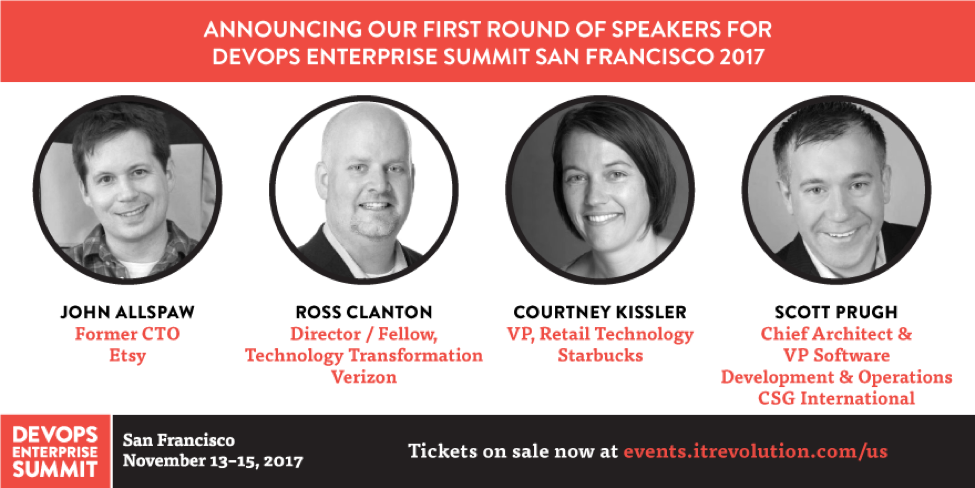

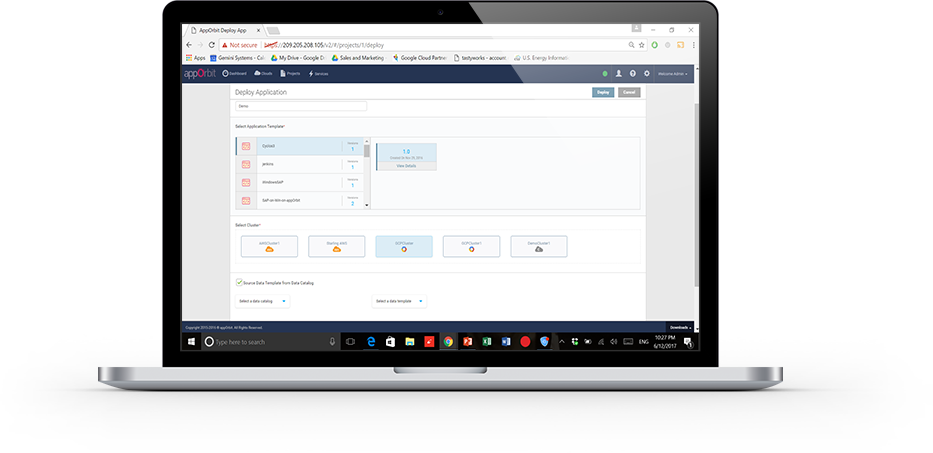 appOrbit recently came out of stealth mode with an

