
Tag: CodeSee

  • CodeSee Extends Reach of Code Visualization Platform

    CodeSee Extends Reach of Code Visualization Platform

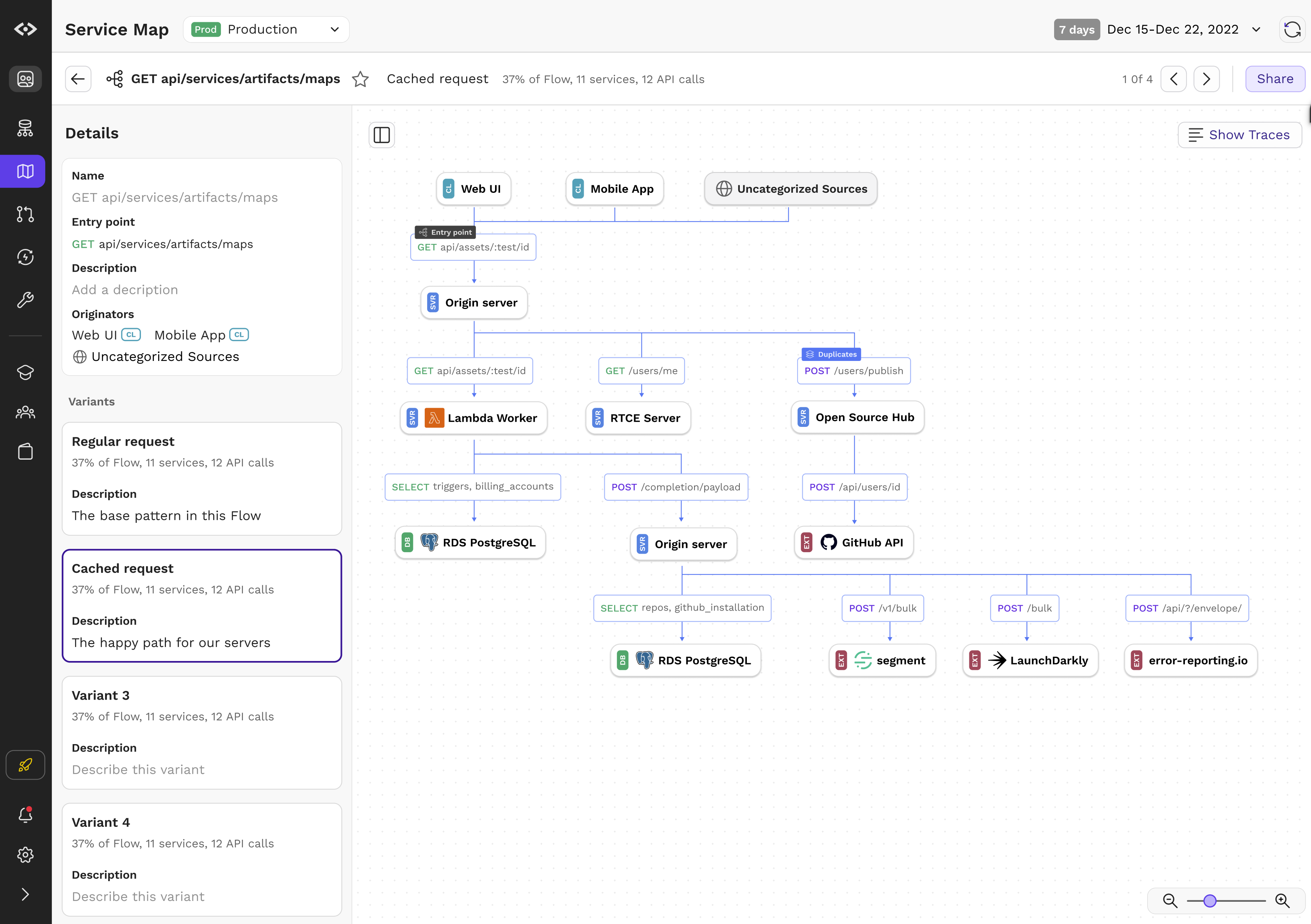
    CodeSee updated its code visibility platform to enable instant mapping of application services, directories, file dependencies and code changes.

    CodeSee CEO Shanea Leven said CodeSee Enterprise 2.0 should extend the appeal of the platform beyond developers to include software engineers managing DevOps workflows.

    CodeSee Enterprise 2.0 provides real-time visibility across multiple repositories regardless of whether the application is a monolith or based on a microservices architecture, she noted.
    In addition, a Code Automations module enables developers to set granular conditions and actions down to the function level, requiring checklists to be complete before allowing developers to move on.

    CodeSee Maps now includes the ability to click to view code directly, while a streamlined Review Maps module has decreased code review time by 30%. Developers can easily share maps to discuss proposed changes or keep necessary code changes as automatic permanent artifacts.

    Additional languages including C#, VB.NET, ASP.NET, Blazor, Java, JavaScript, Go, Python and TypeScript are now supported.

    Finally, CodeSee is making available a dedicated solutions engineering team that provides guidance to connect an organization’s Datadog or OpenTelemetry trace data to CodeSee in less than an hour without storing code or having to first dive deep into traces, noted Leven.

    The core open source CodeSee tool was created because it takes too long today for most developers to pore over a codebase to understand where they might contribute. The larger a codebase becomes, the longer it takes for a developer or software engineer to be onboarded to a new project.

    The overall goal is to improve developer productivity, noted Leven. That’s become a critical issue because many organizations are hesitant to hire additional developers during uncertain economic times; they first want to ensure they maximize the utilization of the teams they already have.

    Application development, of course, is now a team sport. The days when a lone developer cared for an entire application are long over. The issue is finding a way for teams of developers to collaborate more easily in an era where many of them may never have met in person.

    In the longer term, Leven said she also expects that generative artificial intelligence (AI) platforms such as ChatGPT will supplement code visualization tools. Many developers are already starting to use these tools to help generate code faster. That code should, in theory, have fewer errors because it has essentially been copied from other previously validated sources. CodeSee provides a means to visualize that code before deploying it to ensure it will function as promised in increasingly complex application environments.

    One way or another, the tools being provided to developers to boost productivity are advancing. It’s not clear what metrics should be employed to track developer productivity, but the amount of code simultaneously moving through DevOps workflows is going to increase. The challenge DevOps teams face now is keeping track of all the dependencies that exist in that code as application environments are continuously updated.
  • CodeSee Unveils Enterprise Codebase Visualization Platform

    CodeSee Unveils Enterprise Codebase Visualization Platform

    CodeSee this week launched an enterprise platform based on its codebase visualization and mapping tools that makes it easier for developers to navigate and learn how an application was developed.

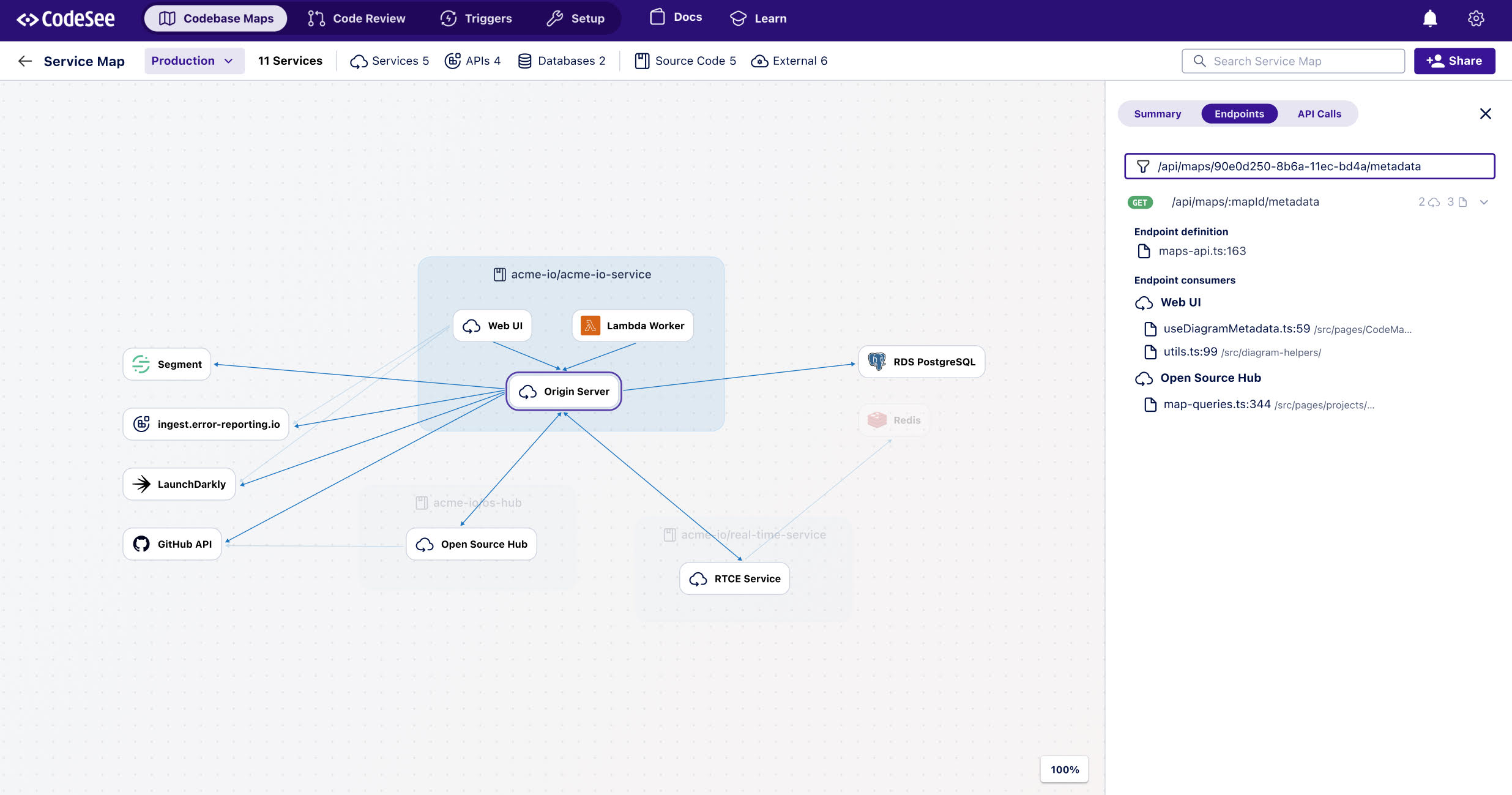
    CodeSee CEO Shanea Leven said this capability makes it simpler to understand how a codebase is constructed, including the application programming interfaces (APIs), without having to read each line of code. Organizations can use the CodeSee Enterprise platform to review code in addition to making it easier to add new developers to a project, she said.

    The CodeSee Enterprise platform makes it possible to automatically detect, visualize and link to the code used to create every connection between the services that make up an application. That capability is especially useful for any security review of an application before or after an application is deployed.

    A code automation feature codifies and automates the code knowledge that previously could only be passed from one developer to another, Leven noted.

    It takes a significant amount of time for developers to pore over a codebase to understand where they might contribute. The larger a codebase is the more challenging it becomes to make meaningful contributions.

    By definition, application development in the era of microservices is now a group effort. The days when a lone developer cared for an entire application are long over. The issue is finding a way for teams of developers to more easily collaborate when most of them may have never actually met in person.

    The amount of focus on developer productivity has increased substantially since the start of COVID-19 pandemic spurred organizations to accelerate a wide range of digital business transformation initiatives. Developers are generally challenging to recruit and retain, especially individuals familiar with the latest cloud-native platforms for building and deploying applications. Making it possible for developers to more easily contribute to multiple application development projects has never been more critical.

    Of course, most developers would rather spend more time writing code rather than studying it. The amount of time devoted to understanding codebases and maintaining development environments far exceeds the amount of time spent writing code. Many developers are not always going to be able to take advantage of advances in application development without the aid of a DevOps team to provision new tools and platforms.

    One way or another, the rate at which applications are being developed and deployed needs to accelerate. An uncertain economic outlook is increasing the pressure on business leaders to digitally transform processes in a way that increases both revenue and profitability. The application experience is especially critical because customers are not inclined to patiently wait for organizations to finetune their digital processes over an extended amount of time.

    Less clear, however, is the level of stress individual developers might be willing to tolerate. There’s no doubt most of them are sympathetic to the needs of the organizations that have hired them but that does not necessarily mean they’re willing to continuously work overtime to achieve goals that might not be attainable using the tools they have at hand.

  • CodeSee Unveils Open Source Hub

    CodeSee Unveils Open Source Hub

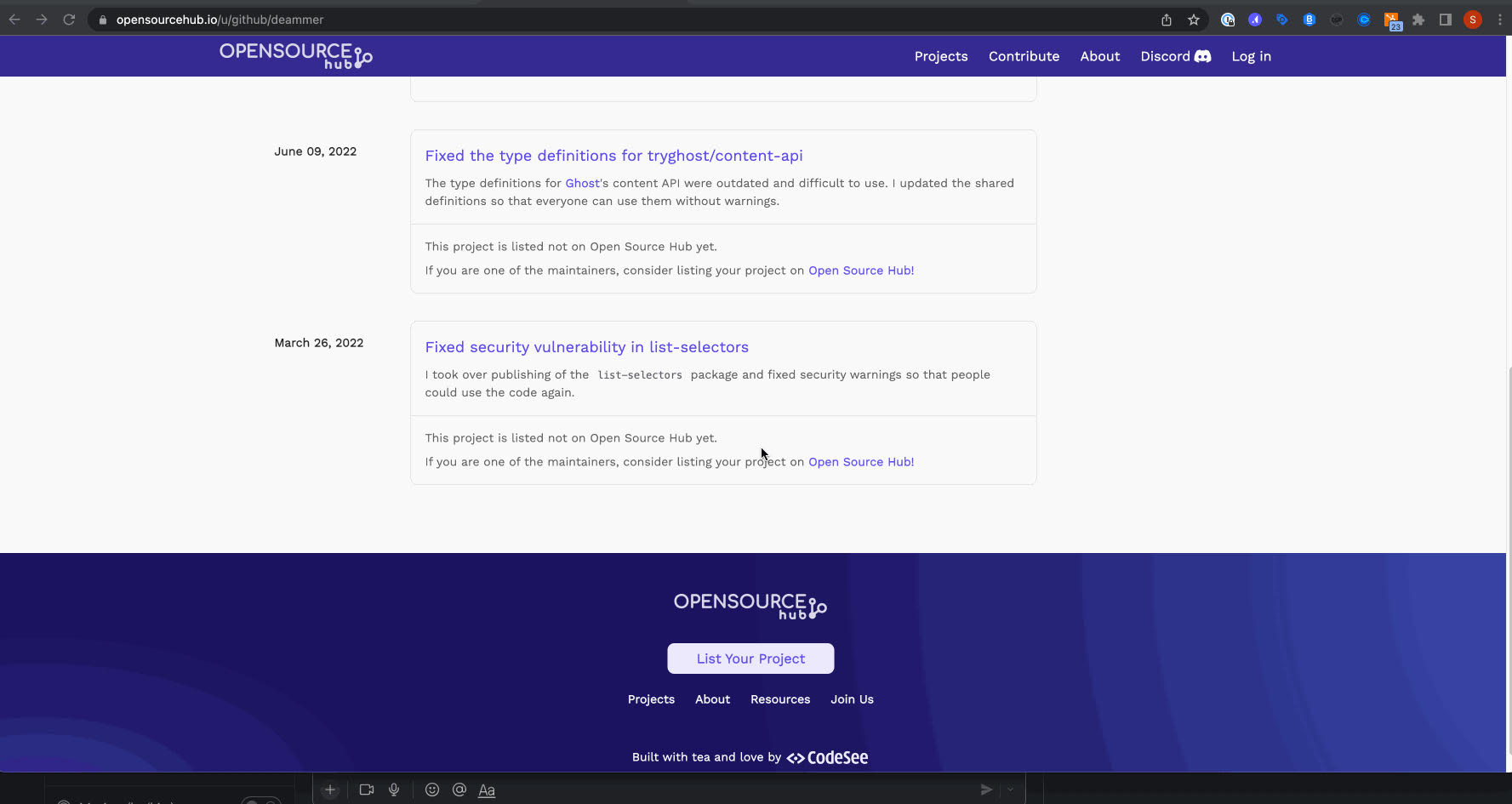
    CodeSee today launched a free Open Source Hub (OSH) community through which developers can more easily analyze the codebase that makes up an open source software project.

    Shanea Leven, CodeSee CEO, said that capability is crucial because making it easier to explore open source codebases reduces the level of effort required for developers to understand where to make contributions.

    OSH is based on a namesake visualization tool that CodeSee created. The CodeSee tool makes it possible for developers to see how a codebase has been constructed using graph technologies that scan software repositories and identify components and their relationship to one another. Developers can also use CodeSee to better understand what impact changes to that codebase will have.

    In addition to making it easier for developers to discover open source software projects, OSH also enables maintainers and contributors to create personal profiles through which other members of the open source community can see how their efforts have impacted various projects.

    CodeSee, as part of OSH, is also providing integration with Discord, an online voice, video and text collaboration service, to make it simpler for maintainers and contributors of open source software projects to collaborate.

    Leven said it simply takes too long today for most developers to pore over a codebase to understand where they might contribute. The larger a codebase becomes, the less likely it is a developer will want to take the time required to begin making a meaningful contribution, she noted.

    OSH is arriving at a time when maintainers of open source projects are especially looking for help securing open source software. The core issue is that many of those projects are maintained by a small number of programmers that voluntarily contribute their time and effort to build components that others are free to use. Like any other developer, the amount of security expertise those individuals have is limited. Many of them simply don’t have the time to immediately provide a patch to an application when a zero-day vulnerability is discovered.

    Unfortunately, many IT vendors and large enterprise IT organizations benefit from open source code without contributing anything meaningful back to the project—whether in terms of financing or helping open source maintainers find and remediate vulnerabilities. Not every contribution has to be in the form of code, either. Many open source projects simply need help with documentation which, once provided, should free up other contributors to focus more of their time and effort on application security.

    It’s not clear to what degree business and IT leaders realize how dependent their organizations actually are on open source software. Even when they do, it’s not easy to onboard a developer to any software development project. It can take months before a developer is actually making meaningful contributions to a project.

    Application development, by definition, is now a group effort. The days when a lone developer cared for an entire application are long over. The issue is finding a way for teams of developers to more easily collaborate when most of them have never actually met in person.