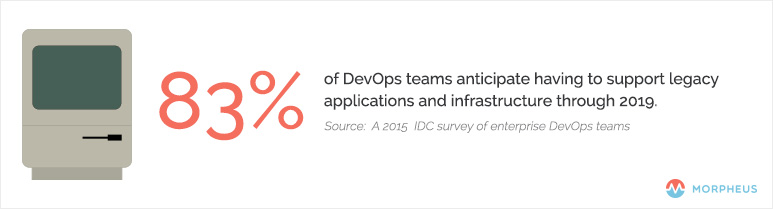
Traditionally, larger enterprises have relied on in-house server hardware equipment for their data management needs, optimized to run high-performing applications with a certain degree of assured security and reliability.
However, the high costs and technical expertise required to manage these solutions effectively often render them inaccessible to startups and emerging businesses. But, as the old saying goes, necessity is the mother of invention.
With the growing demand for cost-effective, efficient data management solutions, the tech industry has witnessed the advent of cloud technology and data center colocation rental services. These alternatives pave the way for startups and small businesses to handle large volumes of data without straining their budgets.
This article will compare and contrast cloud technology and data center services to help business leaders make well-informed decisions about their data management needs and the solutions that can help them.
Understanding Data Center Colocation Services
Data center colocation services offer an enticing solution for companies that require robust data management capabilities without incurring high capital expenditure for securing storage hardware, along with storing and powering them.
Essentially, this solution is like renting a space for your data in a specialized facility. These data centers provide a secure environment with the necessary power, cooling, and physical security for your server, storage, and networking equipment.
In opting for colocation services, companies can leverage state-of-the-art data center infrastructure without the burden of high upfront costs and ongoing maintenance responsibilities associated with owning a private data center. This also allows businesses to focus more on their core competencies rather than the intricacies of data center management.
However, data centers come with their own set of unique challenges. For instance, they often require a certain degree of technical expertise on the part of the business to manage their servers. This means hiring or training staff to handle server management, increasing the overall cost of this solution.
Additionally, data centers’ effectiveness can sometimes be influenced by physical proximity. The closer your operations are to the data center, the better the performance can be. This geographical factor can pose problems for businesses operating in multiple locations or managing data across different data centers.
The Power of Cloud Technology
In contrast to relying on data centers, cloud technology offers businesses of all kinds and sizes immense scalability and flexibility in terms of data management solutions.
As a service that delivers computing infrastructure, software, or storage as a service via a network connection, typically the Internet, cloud technology eliminates the need for physical proximity to servers. It is quickly scalable, both upwards and downwards, as per business needs, ensuring that you only pay for what you use.
Moreover, the ability of cloud technology to integrate various services can simplify business operations and enhance customer engagement. For instance, many businesses are now offering cloud-based text-to-pay systems that allow customers to pay from any device, providing ease of transaction while simultaneously gathering customer data in the cloud.
Cloud services can also provide robust disaster recovery and business continuity solutions. However, businesses often cite concerns about data security and privacy in the cloud. Although most cloud service providers implement best-in-class security protocols, the very nature of the cloud—being an off-premises solution—necessitates a high level of trust in the provider.
AI and Data Management Solutions
If your business relies heavily on AI applications, you must understand how your data management solution supports this need. AI requires high-quality, well-managed data to function effectively. Here, cloud technology often presents an edge over traditional data centers.
Many cloud service providers offer built-in tools and services designed to better facilitate AI implementation, including pre-trained machine learning models and AI platforms as a service. These resources can dramatically reduce the time, costs, and complexity that come with implementing AI, particularly for small to mid-sized businesses without extensive in-house AI expertise.
On the other hand, while data centers might not have these built-in tools, they offer robust performance capabilities for AI workloads and often provide more control over the data, which is vital for sensitive AI applications.
Keep in mind you can turn to other server-based solutions for storing data as well. For example, if your application relies on a significant amount of PDF content to store data and function effectively, hosting those files on a server such as a server-side PDF SDK will allow you to process those documents on the server via an API. This will then allow you to autoamte your document processing and convert large volumes of your PDF files.
Web Hosting Requirements
Your current web hosting requirements can also significantly impact the choice between data center services and cloud technology. Shared hosting services may be sufficient for businesses with low-traffic websites or applications, and if you don’t need to store a lot of data, but as your traffic increases and the website grows, so do your hosting requirements.
Cloud hosting solutions offer excellent scalability, allowing your website to grow with your business. As traffic surges, cloud servers can easily handle the increase, maintaining website performance and user experience.
Conversely, with a dedicated data center, you’re generally limited to the capacity of the server you rent. To increase your capacity, you may need to physically upgrade the hardware, a process that can result in downtime and potential loss of revenue.
Considering Cost Implications
The overall cost of your chosen solution will be a key factor when deciding between data center colocation services and cloud technology. Each service has unique cost structures that can vary between providers, and understanding these can significantly impact your company’s financial health and resource allocation.
With data center colocation services, the costs are generally more predictable. You pay a fixed amount based on your rented server space and the bandwidth you use. This stability can be advantageous for budgeting purposes, especially for businesses with steady data usage and processing needs. However, you may also incur additional expenses for any necessary hardware upgrades, maintenance, or increased bandwidth usage.
What’s more, there’s the indirect cost of employing or training staff to manage the servers, plus the potential costs of transportation to and from the data center, particularly for businesses not located near their rented server space. These costs can add up and should be factored into the total cost of operating within a data center.
Cloud services, conversely, operate on a pay-as-you-go model. This solution can be much more cost-effective for businesses with shifting data needs since you can readily scale up or down based on demand, ultimately only paying for the resources you actually use.
Choosing the Right Path for Your Organization
Unfortunately, there’s no one-size-fits-all solution for effective data management. Each business has unique needs, requirements, and considerations that necessitate a carefully tailored approach. When choosing between cloud technology and data center colocation services, business leaders must carefully consider several key factors to determine the right solution for them.
If scalability, flexibility, and AI integration rank high in your data management strategy, cloud technology presents an excellent solution with its on-demand resources and array of built-in tools. On the other hand, data center colocation services provide robust performance capabilities, greater control over data, and predictable costs—features that may appeal to businesses with more consistent data management needs.
Understanding your current web hosting requirements and the potential cost implications of each solution are also crucial elements to consider in your decision-making process. The demand for efficient, secure, and cost-effective data management solutions will only continue to grow as data storage needs expand rapidly.