With the relentless pace of enterprise digital transformation efforts, even in this softening economy, developers still face an enviable job market. The number of open job positions in computer occupations is greater than 804,000, according to National Foundation for American Policy (NFAP) analysis and, at 326,000 vacancies, software developers have by far the largest number of job openings available to them.
US Developers Are Less Confident About Job Prospects
Still, according to a new report from OutSystems, Developer Engagement Report: Are Your Developers Happy or Halfway Out The Door?, slightly more U.S. developers are seriously considering changing companies right now (33% U.S. versus 31% globally) and they feel less confident about their prospects. Only 25% of U.S. developers strongly agreed that there are many opportunities to easily get a better position right now, compared to 42% of global respondents.
Still, not many developers are thrilled with their current jobs. According to the survey, only 49% of U.S. developers love their jobs and only 37% are very satisfied with the work they do every day. Outside the U.S., developers are a bit more optimistic. Globally, 64% reported that they love their jobs and 46% said that they are very satisfied with their day-to-day work.
Interestingly, when it came to work-life balance, it was U.S. developers who felt more optimistic than their global counterparts. While 50% of all respondents strongly agreed that they need more work-life balance, only 38% of U.S. developers agreed on the same.
Finally, while 48% of developers said that they would definitely be with their current employer within a year, when that timeframe was extended to two years, that figure fell to 29%. And U.S. developers are itchier to move, with only 38% saying that they would definitely be with their current employer in a year and 18% said they would remain there in two years.
Most Low-Code Developers Also Traditional Coders
The report also examined so-called low-code developers. As a subset of the broader population of developers, 59% of low-code developers reported being very satisfied with both team productivity and 57% were satisfied with the quality of tools they use at work. Only 41% of traditional developers felt the same toward team productivity, and only 36% of traditional developers are very satisfied with the quality of the tools they use.
Interestingly, 71% of low-code developers reported that they can keep their workweek to the standard 40 hours, while only 44% of traditional developers said the same. While 63% of low-code developers said that they are happy with their salary and benefits, only 40% of traditional developers agreed. Further, low-code developers claimed an average of 3.5 job promotions at their current company while traditional developers said they’ve been promoted two times.
Software testing is the thread that connects code to customers, ensuring that the code created by development teams works for users and supports customer loyalty. But as the demands of software development are transformed by DevOps and customer expectations rise, the career and role of the software tester is evolving rapidly. Customer expectations have made it imperative for applications to work seamlessly, necessitating evolution in QA and testing.
As the QA and software testing sector progress—and “quality engineering” becomes the de facto term for creating agile, customer-centric software teams—QE is attracting a more diverse pool of leaders as the career skillset widens. The more quality engineering becomes the differentiator between elite software teams that thrive in a DevOps world and teams that struggle to adapt, the more important it becomes to elevate diverse leaders in the industry.
Understanding this, mabl recently held a panel discussion with QA and software testing industry veterans who discussed the new era of quality and how these changes are transforming who enters the field.
The Evolving Role of the Software Tester: Building Professional Confidence
The constant evolution in software testing and quality engineering, though exciting, also presents a challenge to QA professionals: How to consistently build the necessary skills as well as the confidence to succeed. As quality engineering becomes a multidisciplinary career role that encompasses engineering, functional and non-functional quality management and the customer experience, the question for QE professionals becomes one of continuous learning and the confidence to broach, if not lead, challenging discussions.
LaDeitra Lee, chief technology officer for Sparx Studio, understands how confidence can sometimes feel elusive—especially for younger pros just getting started. But her message is meant to encourage those just starting out to speak up: “QA knows the most about the product because we know the customer’s perspective, and we’re testing the full product from the front end that everybody sees all the way to the backend … the main thing: You want to make sure you have the confidence in your work,” Lee said.
When quality engineers have confidence in their skills, they’re better able to collaborate with the rest of the software development team to improve testing strategy and triage defects. But building confidence can be challenging, especially as software testing has embraced coding skills to the point where software developers can specialize in quality as SDETs. However, that doesn’t mean that coding experience is the most essential skill in a quality engineering career. Since quality engineering is all about connecting code to user context, soft skills like empathy are just as critical for the next generation. So, even if QE professionals aren’t expert coders, they can build confidence in their skills by understanding their unique place in the software development process.
Marjie Carmen, software engineering manager at Arch Insurance, agreed. “When I started out, it was commonly believed that software testers didn’t need programming skills or software engineering skills since the focus was on manual testing. But today, I see QA working hand-in-hand with and having almost the same skills as a software engineer; sometimes even more. I really see quality assurance as equal because they have to know the business side and the perspective of the users and where the industry is going. They have to make really good recommendations about how the product should be and need the confidence to go to the engineering side and say, ‘What’s the fastest way I can get this product tested and in the hands of the user?’”
Creating Unconventional Career Paths in Software Development
How has hiring for a tester today changed in the last decade? As quality engineering continues to grow as a profession, many in the field are creating new career paths by moving between different roles throughout the software industry. By supporting these unconventional candidates, Maaret Pyhäjärvi, principal test engineer and prominent QA speaker, said that software development organizations can grow internal talent and help quality engineering develop as a field.
“We hope that there’s more of this openness for moving from one technical role to another,” said Pyhäjärvi. “There’s always the possibility of learning small slices of technicality. Some of my favorite architects these days are so good at software testing; so good at programming and can really bring the whole team together. So we need to allow that kind of movement where people get to try things and break away from stereotypes.”
Susan Marie, president of the Triangle Software Quality Association (TSQA) said, “I love the capital-Q quality emphasis because it gives me leverage to do well—that’s just one area of quality. I hate the idea that the job title is the one thing that you’re allowed to do; you need to be giving guidance around what’s expected of you and what other people can expect from you.”
While technology is always evolving, former Slack senior engineering manager Karine Sully said the main characteristics for the job have been consistent—even as far back as a decade ago. “I always look for people who are curious and who have good communication and organizational skills, especially coming in at entry-level or lower-level. All you need is to be able to think critically and organize your thoughts and be able to communicate what it is you’re doing. Then, you can push beyond that and grow.”
Given the challenges inherent to working with multi-disciplinary teams, Lee said, “I think what helped me the most is having a sponsor. So my advice for anyone on my team, or anyone that’s looking to grow in their career, is making sure you have someone a few levels above you looking out for you.”
Fostering Diversity in Software Testing Teams
Growing responsibilities equal a growing number of requirements and skills for quality engineering careers. Navigating the hiring process is never easy, but succeeding in a rapidly changing field can feel like running a marathon at a full sprint, especially when trying to foster more diversity in software development and testing.
“…Diversity and inclusion are definitely very dear to my heart, and I feel you have to go where people don’t look like you. So if you want to hire more Black or Hispanic engineers, you have to go to areas where you see more of them,” Lee said. “If it’s engineering that you’re looking for, do your research and find those schools that specialize in that particular area. I’m a part of the National Society of Black Engineers, so I tap into that network if I’m trying to help build a diverse team.”
Carmen agreed that hiring managers need to look closely at areas where there may be holes to fill. “I got into management by looking at gaps and filling them—it was always my goal to find a gap and say, ‘Hey, I can take that off your hands and in the role.’ So it’s a natural evolution to get the different roles that I’ve had by saying yes to more and different responsibilities.”
Conclusion
Though the QA and software testing fields are in the midst of several transformations, the change is opening the door for more people to have successful careers in software quality. Though their role is to ultimately improve the product, that road to quality is usually filled with bugs and unpredictable challenges. When quality engineering professionals are confident in their work, it’s easier for them to lead constructive conversations on improving the product—and facing down the engineering teams, if necessary. Building a diverse and confident next generation for quality is essential to building delightful digital experiences for all.
“I heard from a very famous pioneer in the engineering industry about QA that ‘We don’t have a magic wand; we can’t test quality into your product, but we can test your product.’” Pyhäjärvi said. “The whole concept of QA engineer, QA quality assurance, QE, I think gives people the illusion that we can do something impossible. We can only show light to the areas of the product that need work.”
In the technology world, we are in a time of incredible disruption and innovation. Many years ago, my friend and “DevOps Handbook” co-author John Willis predicted that a decade from now, academics will call this period the “Cambrian explosion” — it was an incredibly vibrant 25-million year period that resulted in an incredible diversification of cellular life forms, including the appearance of complex, multi-cellular organisms, setting the stage for the diversity of life we see today.
Similarly, over the last decade, we’ve seen an explosion of incredible innovation and disruption in almost every area of technology: cloud computing, containers, virtualization; Agile, iterative development, continuous integration and deployment, and automated configuration management.
One can be forgiven if all this change is overwhelming; I think we’ve all had moments in our careers where we think, “I’m not sure if I I’m up to learning how to tackle this next big thing.” Even someone who loves learning can become cynical, or maybe just fatigued by change.
But most of us, maybe with some calm reflection, will recognize that there’s never been a more fun time to be in technology. And many of these new techniques and practices lead to massively better ways of working, where after an initial learning curve, we’d never go back to the old way. I believe this actually calls for excitement! And, I’m not alone.
We recently hosted a live chat with multiple leaders in technology who’ve spoken at past DevOps Enterprise Summit events. As we are in full prep mode for the next event in San Francisco this November, we asked our esteemed panel to share about their career journeys in tech and their passion for learning and change. It was a great pleasure to be able to pick the brains of Dominica DeGrandis from LeanKit, Dr. Nicole Forsgren from DORA, Erica Morrison from CSG International, Terri Potts from Raytheon and Robin Yeman from Lockheed Martin. During the course of the discussion, each person shared how they got their start in tech and many of the lessons they have learned over the past 20 years in the industry. It was echoed throughout the discussion that while things are rapidly evolving, it’s an exciting time filled with continuous opportunities to learn, plenty of room for growth and time to experiment with new tools and processes. For the full video replay and transcript of the discussion, please see below.
Also, don’t forget to register for the 2017 DevOps Enterprise Summit San Francisco to hear more from leaders in tech and get a glimpse into their organization’s journey into DevOps. Early Bird pricing discounts are available until July 31!
Gene Kim: Hello everybody, welcome to this episode of the DevOps Enterprise Summit live chat. We are assembled here today with a group of people I’ve known for years, and people who I genuinely admire. They’re all experts and leaders in the DevOps Enterprise community who are helping shape much of the practices that are going to almost certainly be commonplace in technology organizations over the next decade. Over the last 20 years I’ve been studying high-performing technology organizations, and more recently it’s led to studying transformational leaders and trying to understand how they became transformational leaders. What I find fascinating is there’s evidence to suggest that these are traits that you are not necessarily born with, but instead they’re actually learned.
Over the next hour, my goal is to learn about these leaders on this panel, their careers and experiences that shaped who they are today. My desired outcome is that we’ll all learn something that we can integrate into our own respective journeys. As you’ll surely find out over the next hour, these are all great people. As a reminder, the upcoming DevOps Enterprise San Francisco event is taking place on Nov. 13-15, and for more information visit events.itrevolution.com. And just a reminder, Early Bird pricing ends on July 31st.
Let’s go quickly around the panel, and everyone, if you could just introduce yourselves, name, company role, when did you present DevOps Enterprise and what did you speak on, and free to speak to share any professional accomplishment that you’re most proud of. Dominica, let’s start with you.
Dominica DeGrandis: All right. Well, I was a build engineer, spent 20 years bringing visibility to what version of what file was on what server in what environment. Currently, I am the Director of Training and Coaching at LeanKit. I’ve spoken at DevOps Enterprise Summit for four years in a row now, mostly speaking about experience reports and metrics and making things visible. And I guess, my most professional accomplishment, I think it would have to be finding my courage to get up in front of a group of people, and explain or present data, and demonstrate how to get leadership buy-in with metrics.
Kim: Awesome, thank you. Erica Morrison.
Erica Morrison: Hi, everyone. I’m the Director of Software Development and Operations at CSG International in Omaha. We’ve spoken the past couple years at DevOps Enterprise Summit chronicling our journey through the DevOps space, and we’ll continue to tell that journey. Something that I’m most proud of, probably the things that have brought the most challenges in my career have actually been in the DevOps space. We’ve undergone a fairly major transformation this past year, brought a number of teams through that, but one team in particular who have made substantial improvements as far as stability and automation. That’s been really something that’s been fun to be a part of.
Kim: By the way, following your experience reports has been my favorites among every year at DevOps Enterprise, fantastic. Robin.
Robin Yeman: Hey, I’m Robin Yeman, a Lockheed Martin fellow. I’ve been working in engineering about 23 years in the defense industry on everything from submarines to satellites, and everything in between. I think my biggest accomplishment is really being able to see the change. When I first started doing Agile in DevOps, you really couldn’t see it, but now I start getting contracts and RFPs from the customer repeating verbatim what I told them before. It’s cool to see that the influence is there. It might not be as fast as I’d like it, but it’s there.
Kim: That’s awesome, and then you spoke last two years of DevOps Enterprise San Francisco and London.
Yeman: You’re right. Yeah, the last two years on transforming large legacy organizations way back. A combination between Suzette Johnson from Northrop Grumman and myself from Lockheed Martin, because we both had very similar journeys.
Kim: Awesome. Thank you, Robin. Nicole.
Nicole Forsgren: Yes. Hello, I’m Nicole Forsgren, CEO and chief scientist at DevOps Research and Assessment, otherwise known as DORA. I spent years doing software development, enterprise storage at IBM, and then I went and got my Ph.D. that might be my professional accomplishment that I’m most proud of is that I’ve been studying and researching what’s basically known as DevOps for the last 10 years, and then applying it and bringing what I found to the industry and in my work with Gene and Jez Humble, and the team at Puppet on the State of DevOps Report. We all lived through that 2000 dot-com bust, and we saw many companies fail and I don’t want to see that again. Really helping to make an influence in the industry and make things a little bit better is an accomplishment for me.
Kim: Awesome, thank you Nicole, and you spoke in I think every year at DevOps Enterprise. Fantastic. Terri Potts.
Terri Potts: Hi, I’m Terri Potts. I’m from Raytheon Company, and I’m the Technical Director of the Software Development Organization. Like Robin, we are focused on doing mostly defense- and Intel community-related contracts. I started in the software development business actually in the Air Force and spent 11 years there, moving through the ranks and came to Raytheon, and moved on to be an architect after doing development for several years and have been a champion for technology transformation since the early 2000s.
I’ve spoken a few times at DevOps Enterprise Summit. Once about our legacy transformation since we have been around for long, and a lot of our code is quite old. Last year, I spoke about how you build up your staff of people that can support your DevOps transformation because it’s hard to just go out and hire those, some ideas around how to go do that.
Kim: Awesome, thank you much Terri. And by the way, I remember meeting you at the IBM Interconnect Conference in 2014, and you were actually one of the first announced speakers at DevOps Enterprise, very grateful for that.
First, let me just state an assumption I have that there’s actually never been a more fun time and exciting time to be in technology even though things are rapidly changing. Actually the pace of change is what’s causing much fear for many professionals about our livelihoods, our vocations, but I genuinely believe that the best times are ahead of us not behind us. Do you believe that? And if so, why? Erica could we start with you?
Morrison: Sure. I think about when I came out of college with a computer science degree, and I was focused on writing one language and writing that language well, and now we’ve got the proliferation of numerous different technologies, different languages. Like you said, the pace is moving much quicker. We actually hosted a hackathon here. We’ve done two of them for college students and just a number of different technologies that they use was absolutely mind-blowing to me, but I find it extremely interesting to continue to evolve for all these different things. It’s not just this one little dedicated space anymore, it’s constantly learning these new things which I love to do. Its new challenges everyday which keeps work interesting for us, makes work about being lifelong learners. I love that continuing to learn throughout our career, and it’s just focusing on learning different things now.
Kim: Awesome. Robin, how about you?
Yeman: I absolutely agree. I’d really think it’s the most exciting time. Just like Erica was saying, the college kids are coming in with 15, 20 different languages, they’re bringing all kinds of new technologies, they’re bringing gamification. They’ve really brought some different leadership styles. It’s very exciting. I know that some of our engineers get nervous, but if you just grab on and join the ride its fun.
Forsgren: Honestly, that’s one thing I love about technology. I mean, it kept me engaged, it kept me excited. Back when I was doing a bunch of development work, there was always something new to work on. As you said though, there’s always that other piece. There’s always the other side of it. We’re working in systems with growing complexity and that does make it really, really difficult, and that’s something that we’re seeing when we work with companies with DORA, in our assessment. You have to make sure that you can focus, but you need to know what your constraint is, particularly when we’re working on technology transformations. We need to make sure we can focus on the most important thing. We need to make sure that we can limit our whip, we can focus on our constraints, we can identify what the most important thing is that we don’t have sprawl and just contribute to technical debt. But, I think that’s what makes our work challenging and exciting and meaningful.
Potts: I love change, and that’s why my career has taken me where it has because the more different things you get into I think the more rounded you are, and the more you’re able to adapt new technologies. And the way I see it today is all the technology changes especially with the automation that many of us are going through that transformation, and I have always seen that as drudgery. If you’re working in some factory, let’s automate all the drudgery out, and then that gives us time on our teams to explore more around analytics or machine learning. That’s exciting for me.
Kim: Yes, you make it sound exciting. Dominica, you’re smiling.
DeGrandis: Well, I’m just thinking back at my first job out of school after I got my computer science degree. It was more configuration management back then, that was getting everything on the mag tape from IBM and putting that in a library, physical library somewhere safe in order to deploy it into production. But I think for me, it’s just the amount of opportunity there is now. There is this massive amount of opportunity for everyone whether they have a degree in computer science or not to go out there with all the sharing. The ability to share and learn now is much greater than it has been previously.
Kim: That is true. I mean, there’s never been a better time to be a learner. There’s no cost to entry it seems these days.
DeGrandis: Absolutely.
Kim: I suspect that this isn’t the first time that you’ve seen this dramatic change in the industry in your career. I’d love it if you could tell us about that time and how it affected your thinking about how you viewed your skills, your career, and where it took you. Robin, would you mind starting?
Yeman: Sure. When I first started we had a lot of ToR trend and ADA going on, and I was worried about the next generation of ADA, and whether they would even be able to keep up. So, just like that Dominica and the rest of the folks have said, I spent a lot of time at night trying to study, make sure I could stay on top of it because I was working with these amazing engineers and I just didn’t want to fall behind. I do the same thing now.
Kim: And by the way, I mean in a scale of 1 to 10 what level of fear did you feel? One is like it’s just another book no fear, 10 is existential fear of, “I might not be able to finish the book and therefore my career is over.”
Yeman: I work with some engineers—they’re smart that I was terrified. I’d say way up at 8 or 9 out of 10 because some people just get it quick and I have to work at it—I’m just not a natural. I was terrified.
Kim: by the way, it reminds me of learning Clojure very recently. It’s my first script language and I think I had to do 40 hours of reading before I could write a single line of code. It was just, it was very challenging, but very rewarding but all very intimidating. Nicole, how about you?
Forsgren: My first job in tech was when I was still in college, and it was on a mainframe. I was coming out of my associates in like ’99, and that was the big Y2K, everyone’s panicked, and it really fundamentally shaped what I thought about tech in many ways. Everyone was panicked, there was this big dot-com bust, and I alluded to this earlier, “Survival isn’t mandatory, companies can fail.”
That’s one piece where it really shaped what I do is that I don’t want to see companies fail. I’m sure you all have talked to me at conferences, and suddenly I just dig in, and I’m passionate. I have this drive to make sure we know we can find ways to help companies not fail, but it fundamentally affected me in a different way in that in the late ’90s, there was almost a tactical way to address the problem and it was teach everyone fundamental things. People look at me, they’re like, “How do you do mainframes?” It was mainframe, COBOL, Fortran and that was all we were teaching many students because we desperately had a very tactical need to make sure that when we hit 2000, the world didn’t end, technologically.
And then I did a bunch of consulting, and then I got a Ph.D., and then I was a professor. We’ve almost taken this other stance of we only want to or we’re very purposeful now, and I think it’s led to complexity sometimes in technology, but we want to make sure that we understand the purpose behind what we’re doing. We want to make sure that we have flexibility, we’re strategic, and we aren’t just tactical.
So, we designed the State of DevOps reports. They’re vendor and tool agnostic. We tell you about the principles that are important, the architectural designs that are important, the principles behind using version control are important. We aren’t going to tell you to use Git or Subversion, we’re going to tell you to use Subversion control. That’s the other thing that’s really impacted my career is that I need to make sure that if I walk into a situation I can tell someone from a conceptual level what’s really fundamentally important to improve their technology practice, and it won’t be tied to only a specific technology because that can end up being limiting. If you only tell someone teach someone a language, but not the fundamentals behind that language, it won’t work.
Kim: Principles are timeless and those things are not. Awesome, Terri.
Potts: When I think about this, the thing that comes to mind for me is probably about 20 years ago when systems software architecture started becoming a first-class citizen, at least at Raytheon. I remember seeing the first book, and one of my mentors saying, “Hey, I’m going to have a study group on software architecture do you want to join?” And I wanted to join and started seeing it as a way to grow my career, and be able to influence bigger parts of the system, and try to make things more maintainable, and really make good decisions going forward instead of just sort of stumbling into things. I wouldn’t say I was afraid, but I was really curious, and certainly felt like it was something that I needed to keep up with and did a lot of studying on my own outside of the office with study group, learning everything I can from them.
Kim: Sounds very interesting. In this case, it was like a mentor who actually sort of directed you down a certain direction. There seems to be a pattern of having great mentors. Fantastic, Dominica.
DeGrandis: When it comes to dramatic change, I have to say hands down 2005 or 2006. I was working at Corbis at the time managing environments, and we went from building out maintaining 25 servers to building out maintaining 250 servers over a period of 9 to 12 months. It was just impossible to manually build out servers. We had to start automating, and developers were like, “Builds take too long.” They wanted to put their own changes in their own dev integrated environment, and they took it seriously. They said, “Okay, then you get to own that dev environment like you build it, you maintain it. Then, I’ll just go build out maintain QA and staging inner prod.” That was huge dramatic change I think, and just being able to adapt to that and quickly was the biggest lesson for me there.
Kim: And specifically, was it dramatic because it was such a different way of doing things or it was dramatic because the role change and responsibilities for you, or what made it dramatic?
DeGrandis: Because for the previous six years we have had this process where we just dole out responsibilities, who’s doing what and how we’re doing it, and now that was turned on its head because we had to deliver faster, we had to deliver better quality, we had to get these environments up and running, and everything just exponentially grew with the number of servers and the number of environments. The way that I had been working for the last six years which had been fairly successful was completely different. That’s the second law of thermodynamics, everything is always in constant change and motion.
Kim: I love it. This is the famous story that’s in David Jay Anderson’s book, and in your upcoming book, Dominica. Fantastic, and Erica your dramatic changes in a certain point of your career.
Morrison: In addition to the ones that have been mentioned, there’s a couple that come to mind for me. First of all, the introduction of Agile. I started my career very waterfall. I probably wrote code for three to six months before I even chucked it in to the point that other people were using it which now is obviously mind-blowing to us, but that’s how we did software development back then. That’s been a major upheaval in pretty much all of our processes is around how we do software development.
I think overall, all these items point to the fact that software is constantly evolving, it’s not a static thing. When the next thing comes out we’re used to this evolution of change. It’s something that as developers, we just accept it, and look to learn the next best thing and how we get to evolve and continue to get better.
Kim: And physically what’s different or dramatic about the Agile transformation from your perspective?
Morrison: Pretty much everything about it, just the concept of batching work up into small little pieces. I’ve participated in helping roll out Agile with other teams, and it’s somewhat mind-blowing to these teams that you can take this big amount of work and you can even slice it up into one week or one day increments, and chuck that in and have this daily accountability with my team members. That test is now my responsibility and how am I going to automate that because as a developer, we want to automate that test as much as possible. It’s just much more of this integrated, fast-paced, all of us owning all the work and focusing on flow through the system.
Kim: I do remember that it was around 2005, we had just started our first experiments on Agile and even finishing something in a week was mind-blowing. That’s how long it took us to fill out the PRD forms usually. I love these amazing stories that you’re sharing. If you could compare yourself now to the person you were 20 years ago, what were the most important and significant differences between yourself now and yourself then? What skills did you have to develop? Nicole, let’s start with you.
Forsgren: Twenty years ago, as you think back, there’s no Facebook, there’s no Twitter, there was barely email. It existed, but not really. I mean, definitely all the technical skills, but for me learning how to be a leader and how to interact with people, and how to exert influence in a soft power sort of away.
Again, going back and talking to people that I knew 20 years ago there was learning how to do things in more of a nuanced sort of way, which you need to do when you’re managing large projects. For me, it’s been a soft skills thing. I always joke that technology is easy and people are hard, even as complex as technology can be. That was probably my biggest piece of learning.
Kim: In many parts what we work on, they’re all volunteer projects. And even the softer skills are necessary when everyone’s volunteering their time. Great, Terri.
Potts: Twenty years ago I was finishing up my last year in the Air Force and doing some leadership things, but much more as an individual contributor. I have a good view of what it was like to be on the Air Force side managing big contracts, and testing systems and operations. But since then I think that there have been a few things that I really had to develop. One was my network, the group of people that I learned from, and that has definitely grown in the last four years outside of Raytheon. I had a pretty good network within Raytheon, but once I met Gene and started participating in DevOps Enterprise Summits and the Forum, I just love how that career or that network has grown from there.
I’ve also always been interested in really staying with modern technologies and finding ways to make our teams more efficient, I think that’s always going to be something that’s changing. You always have to stay on top of what the latest thing is that’s helping your teams be more efficient. And the Agile transformation too because definitely we were waterfall all the way in the Air Force, and for the first several years that I was at Raytheon.
Kim: That’s interesting you mentioned network. One my favorite quotes is, “You’re only as smart as the average of the top five people you hang out with.” But I think what is interesting is when you can actually bring that network to help other people with their problems. It becomes a really powerful asset and the ideas of everyone.
DeGrandis: Well, I think 20 years ago, I assumed that everybody else knew what they were doing, and that if they were doing the right thing and I intended to feel like I didn’t know what I would. I didn’t know what was up, I didn’t know what I was doing. I was just inundated with trying to learn quickly. And now I recognize that most people really don’t know what they’re doing. Nobody has all the answers and it’s absolutely okay to ask questions, and that in order to have your voice heard and become the voice of reason, how important metrics have been in order to present them in a way that others can understand.
Forsgren: Plus one on metrics. I will cheerlead for metrics all day long.
DeGrandis: I used to rant we don’t have automated testing, smoke tests take too long, and it just has got me nowhere. Now being able to present data calmly and confidently, to be the voice of reason in the organization is one of the greatest learning changes over the last 20 years. That and learning much more about Flow and Lean and Kanban and different methods out there—it’s why I wrote my book, Making Work Visible to help others see how to become the voice of reason. I think that’s super important one.
Kim: Awesome, we have a calm voice of reason. Excellent, Erica.
Morrison: I’ll echo the comments made about people and relationships, and, I think in college we don’t get an understanding that there’s nontechnical problems in addition to the technical ones. Really, we all look at the world differently and we’re going to have to understand that everyone that we work with isn’t going to have the exact same perception as us, and we need to partner together and get these diverse viewpoints, build these relationships, build these networks. That’s something that I probably didn’t get proper appreciation until maybe the midway through my career journey far. And I just wish someone had told me that earlier in my journey.
And then, I think appreciation for the ecosystem that we operate in I talked about that when I first came out of school as a computer science graduate. I was focused on my view of the world and the code I was writing, and I thought the big picture was understanding what the rest of the developers on my team were working on not understanding how do we deploy this code, how do we maintain it, what’s the infrastructure that we’re running on, how does our customer use this code. All those different sorts of things, which I we work on now to get that bigger picture for people, but that appreciation that that bigger picture makes you good at your specific piece of that. And then just that need to continuously improve yourself. It’s not about just being good with what you’re doing right now, it’s about looking at what’s next, how can I continue to evolve myself and improve myself that I can help move our company along.
Dominica: Well said Erica. Hear, hear!
Gene: I can resonate with all elements of that, but just to share a story. I was talking to a younger developer, he must been like around 25 hanging out with a bunch of ops people and I asked him, “Well, what are you doing here hanging out with a bunch of ops people?” He said something that I thought was hilarious, maybe not the most politically correct, but I couldn’t fault his curiosity. He said, “I just want to know where my code goes. To me it’s like I flushed it down the toilet and I just I’ve been doing it for two years, I just wonder where it goes.” Which I thought was unfortunate imagery, but man he was like, “Well I’m the minority of developers actually caring about the system as a whole.” Obviously, that made an impression on me.
One of the things that, if you go back to the topic of change, one of the things I hear a lot these days is how people in our profession often feel very uncertain about their own future, and specifically about how to maintain their own relevance. I’m thinking a person I met that I was actually able to interview on my blog, and yeah, he’s my age and despite having an MBA, despite having a Master’s in engineering management, despite being an expert in the theory of constraints, despite being an operations lead at Boeing, he wrote asking for career advice saying, “What do I do to make sure that I’m as relevant in five years as I am five years ago?” Specifically, what advice would you give someone who’s in operations and feeling like if they don’t take drastic measures they won’t be as relevant, and what actions would you recommend? Terri, why don’t we start with you?
Terri: I was thinking about this question, much of it depends on where he wants to take his career you have to know where you want to go, in order to put together a plan for how to get there. Given all of his degrees, and what he’s doing, it doesn’t seem like he really wants to go off and start re-architecting software or it didn’t sound to me like he would necessarily need to get a whole computer science degree. But if he wants to really understand how the automation works maybe he takes a few classes in Python or Ruby or one of the scripting languages to help with that, and get involved with that. But it seemed like it would be pretty drastic to go out because there’s lots of opportunities to lead transformations and he’s got those leadership skills apparently. I would say, “Look for the opportunities that really fit with your personality and your skills rather than going back to school for the answer.”
Gene: Indeed, and by the way, I just realized, sorry Robin! I didn’t forget your answer—could you say what advice would you give yourself 20 years ago, and what skills are most important? Then we’ll get back to our friend Pat Birkeland. Sorry, Pat.
Robin: Just like the others, I would say people and people skills. I was really type A and really driven building my code, and I thought the harder I work the more impact I would make, but as I got older I learned really the more that I build people around me the bigger impact I make. Being able to build those co-workers or people that work for me actually magnify that tenfold, and it just didn’t occur to me at that time. I would really focus on what you share. We tend to get rewarded for what we know, but if we rewarded people for what they share, you’d be amazed at what can happen.
Gene: Thanks Robin, and one of the things that I found impactful about your presentation even just in this last London event was you shared the story about how you had created this very informal community of people just sharing, and you met weekly or monthly, and 15 years later you’re still meeting, and then you’ve all sort of ascended together. Am I misremembering that story?
Robin: No, no, we’re actually still meeting and we’re building people. I think both me and Suzette [Johnson] are in the same boat because at the same time we were we were looking for others that would help us because we’ve started Agile pretty early in our careers, and we really needed any information. There just wasn’t a lot of like-minded groups to get together and build each other.
Gene: Awesome, and I guess if I were to sort of speculate that all are sort of very curious, all ambitious, all good at networking, and what a great collection people to learn from and collaborate with.
Gene: Awesome, thank you Robin. Let’s go back to this non-fictitious Pat Birkeland, he was generous in writing up some of his thoughts and experiences. Terri, your advice was the answer is not to go back to school, but maybe more crystal clear about where he wants to go in his own career and find opportunities. I love that. Dominica, your thoughts on Pat Birkeland.
Dominica: First of all, I could definitely relate because I had the same thoughts myself earlier, “Man, I should go back and get my Master’s. I need to. I just need another degree, make more letters at the end.” But really can’t do that because of working full time with little children at home. It’s just really hard. I didn’t have a nanny. I think that what somebody can do immediately is to learn the business better. Maybe just brought it again by a bit from the business perspective and see what the business challenges and risks are. And then, figure out how to reduce some of that risk maybe by making things a little bit more predictable to you. That’s going to be such a huge growth experience to go around, and maybe visit some of the other parts of the value stream and go look at the whole value stream, and see where things are stocking. And you got making that fall in faster.
Gene: That’s such an interesting piece of advice. And by the way, it reminds me, one of the things I was always envious, if I had to do my career over again, I would have loved to spend a couple years at a big four audit firm just because I was envious my friends who could actually see the big value statement, procure-to-pay, order the cash. It was something I was envious about, just even the language they spoke in. That totally resonates with me, Dominica. Erica.
Erica: One thing that I’ve told a number of our operations personnel that I’ve had this similar conversation with is “Good people will always find a way to be successful.” I’ll hire good people any day, and they’ll acquire those new skills. When it comes to being nervous about the situation I think as long as people are eager and willing to learn new things, they’re going to be successful. And then we as companies need to set them up for success. So they’re just personally able to talk with their manager and see if they have specific areas where they see that there’s opportunities for improvement. And then like Terri said, find your passion and invest in that particular area.
Gene: There’s no shortage of problems to be solved, I think is what you’re suggesting, Erica?
Erica: Exactly.
Gene: Yeah, that’s actually great. Pat, I hope you’re listening. I’ll have this transcribed for you. Robin.
Robin: The first thing I did when after the DevOps Enterprise Summit in London is to come back and tell everybody about Nicole’s research which stated that, “Transformational leaders really improve the likelihood of your success.” We’re short on those, I would think being able to build those folks around them and really drive, help the technical folks get things across to understand the value stream as Dominica said. I think there’s plenty of work to be done there, and that would be amazingly helpful.
Gene: That was great. In fact, I mean I do love the literature that says these transformational leadership traits are learned behaviors not that the old school was like these are things you’re born with. The great man theory, that you had to be born that way, otherwise you’re just, yeah, you’re just not wired that way. I think that’s exciting. Nicole, on Pat Birkeland.
Nicole: Yes, I would start by asking in an ideal world right, what would Pat be doing in six months, and in a year? And then, work backwards. What’s your ideal job? What do you want to be doing? And then what skills do you need? Because again you take a look at what he’s been doing, look at his credentials. He’s got an MBA, he’s a theory of constraints expert, and he has a master’s in engineering management. It sounds like he’s setup to be doing incredible things right now in leading a technology transformation. If he wants to be doing that, he might need to brush up on one or two specifics of a new technology in order to like really be able to speak to the developers or the operations staff on a few of his teams, but he might be there.
And it’s funny I say that especially as I was listening to what Dominica said she wanted a master’s so she could add letters. Some people walk up to me and they’ll say, “I want a Ph.D.” because I have a Ph.D., and I’m like why? And they look at me like like I want to be the only one at the Ph.D. I’m like, “No, like why do you want a Ph.D.? Don’t get a Ph.D. just for fun.” A Ph.D. is a research degree. If, for example, if Pat says I want to be doing research in six months or a year it’s going to take more than a year, then get a Ph.D., but if you want a Ph.D. because or if you want to degree because you want someone to know you have a degree that’s not the reason to get a degree. But if the job that you want in six months or a year is to be writing code, okay, then yeah then you’re going to need to either get a degree or do some Coursera or some Udemy or something. But if what you want to be doing in six months or a year is leading transformations, you’ve got it, you’re set.
Gene: There’s many easy ways to learn these days and Ph.D. is just one of them. By the way, if I could just go back to this and this more for me, but I remember a point in my career this must have must been, must be about 2005. And, I hear all these talk about “It’s easy to learn things, yeah, rah, rah. Change is good.” I remember when Microsoft changed their database interface – it would change from ODBC to ado.net, and the reaction I had was like, “This is crap. I do not want to learn another way to access database. This is horrible.” I had no appetite for that. I mean, sure you might have had encountered people who had that reaction, what advice would you give me in 2005? I’ll take any advice from anybody, otherwise I’ll call on.
Dominica: I’ve had friends, developers, who have been extremely frustrated at the continual change in the learning. But if they feel like they learned something really good, and then it just all changes again, and how frustrating that was for them, and it made them want to go be a business analyst. But, I think that is just the nature the demand. That’s the reality that we live in, and that there’s a need, we have to learn and adapt and changes are always there.
Terri: Right, I’ve had interesting reactions from people in our organization who seem to think that learning something new is going to threaten their job right like if you move to automated test then, perhaps they won’t have a job anymore. It’s always surprising to me when people don’t want to learn because learning is sort of what keeps me motivated and excited. Although sometimes, you feel maybe it’s a step too far beyond what your current skills are. But, yeah, there’s lots of, there’s lots of ways to do that these days and to figure out. And worse, if worst comes to worst get a few of your colleagues or friends that are in a similar boat, and you all want to learn about the same thing and you go through a course or a book together and maybe a group effort might make it a little more interesting, less intimidating.
Gene: It always helps to have a buddy is what I learned. Any other advice for Gene 2005 who is enraged by ado.net?
Robin: I would just say that it’s constantly changing, and that if you’re if you’re enraged by it you’re just going to be unhappy all the time. It’s almost like it’s just a given. You might as well try to learn to like it or pretend you do.
Gene: Awesome, Robin.
Dominica: Do you think though that there’s one thing that hasn’t been talked about yet, is this sense of fear that people have. They were really good at something and they knew this technology and they were at the top of their game, everybody went to them to ask advice on this one thing and now that’s changing. That’s scary for a lot of people like “Wow, just a year ago, I was awesome at this and now everything’s changed and what the heck do I do now? I mean look at some project managers now with the whole coming out of waterfall and PMI and Gantt charts. And now all that’s being shifted upside down and where are they going to go now?” I think addressing that fear of what people used to be really good at and now that’s gone is real.
Terri: Those are really good points Dominica.
Gene: And by the way, I had no illusions that I was good at ODBC. I mean, I was barely competent. I felt like their people are just randomly shuffling chairs just to force people to upgrade from Windows 95 or whatever it was just, I saw no value in it. Yeah, but I loved that it is a fact of life and something genuinely miraculous. It’s like, who would want to go back to the old way?
We did a webinar. It was on the topic of how to get your DevOps Enterprise submission accepted to the conference, and one of the people who was on that panel was Margo Cronin. She was an Enterprise Architect at Zurich Insurance and she’s now at AWS, but we actually accepted her through the CFP process. It was fantastic to see her perspectives and the advice that she gave, but one of the things that she said really made an impression on me. She said, “Have confidence that you have an interesting story to tell.” I think she even said, “Just because you’re not the lead developer or using the new cutting-edge technologies that’s not necessarily as interesting as someone who’s helping drive behavior change and transformation in large organizations.” Do you agree with her? And if so, what advice would you expound to anyone who has a story to share, but maybe are hesitant to. Let me call on you Dominica. And Dominica this is great because you’re on the programming committee.
Dominica: I hear this a lot! People don’t feel like they have a story to share, but everybody does. It’s a different perspective that they can bring and there’s a lot of similar nuances that we all go through, but I think to hear, especially somebody that we haven’t heard from before, a new fresh perspective and their challenges always makes for an interesting story.
Gene: Maybe you can shed a little light outcomes of the process right now. We’re looking at every one of these submissions and we are looking for interesting stories.
Dominica: Yeah, how many submissions did we have for San Francisco?
Gene: It’s over 250 almost 300.
Dominica: Yeah, going through all of those is a challenge and one thing that I really look for is original, real wording of people telling a real story and not shying away from using their own language. I don’t think people feel should feel that they have to conform to using the book-written perfect language in a submission. Just say whatever—what’s the problem, why it matters, what they did about it. The real story that’s what I want to hear what worked, what didn’t work, what was some of the failures, and where they are right now, and where they hope to go.
Gene: Great. Yeah, the lull of deliberation. In fact, one of the things that maybe most people might not know is just the level of the intensity of some of these debates of who we accept in the conference. I mean is that something that gets very, very heated. I’m not sure it was actually hung up and out of the meetings, but sometimes very close. Erica, how about you?
Erica: So, yes I actually had a conversation with a co-worker of mine after we attended a local DevOps meetup here, and she said, “I would love to at some point work towards a goal of presenting at this [event].” And she actually comes from a non-technical background and she has participated in a lot of the same things that I have in our DevOps journey and I said, “You know, I think it would be interesting to hear the same story told through your eyes, and I think it would be a different story than my version of it, and just the different things that stick out to you and were amazing to you.” I really encouraged her and I said, “I’d like to hear this story.” Even just the two of us telling that same journey, different perspectives on that are very, very interesting.
Gene: And are you referring to the portion of the presentation you gave last year, which was when a dev manager takes over ops?
Erica: Yes, yup.
Gene: I would love to hear that story. In fact, three of your colleagues actually did submit through the CFP. I’m eager to see where that goes. Thank you for any encouragement that you gave them. Thanks Erica. Robin.
Robin: Just like Erica, I think everybody has a story to tell, and through another person’s eyes it’s a whole different perspective. Sometimes the things that we do every day seems commonplace. That happens to me all the time, but then, when you tell somebody else they’re like, “Wow, I didn’t even know that existed or how would you even do that.” I think, again, just having confidence in yourself and realizing you actually have something unique to sell other people is what you need to do.
Gene: Interesting, thanks. Nicole.
Nicole: Yes, sometimes when I think about what might be a good topic to talk about when I go to conferences, I think about things that I do pretty commonplace or things that are pretty easy and think about what used to not be super easy, right? If it’s a process that I’ve done or a process or what we’re working through right now, and then what that journey has looked like. Right? Because if I can do it now, and it’s pretty easy, and it’s almost habit or reflex, when was it not a habit and reflex. And then, how did I get here? What were the steps that I got here? Did we have a checklist? What were the crazy hurdles? Because if it’s easy for me now and it probably wasn’t easy for me at some point, I had to learn to get there. That’s probably going to be useful or at least interesting to someone.
And then, write that up. And then, that’s the story, but then writing it up I think is another piece. And like Dominica said, I’m on a budget program committee, write it up that when I’m reading 300 submissions or a 1,000 submissions it stands out to me and it’s interesting I can tell you’re going to have some personality onstage and let the audience know what they’ll get out of it. That’s when they read it in the brochure, they know like which talks to go to. What takeaways am I going to get from this? Am I going to have a few tips and tricks? Am I going to know what to avoid? Am I going to know where to start? Those are some tips in terms of like writing submissions. And sometimes I forget when I write my own submissions, so none of us are perfect.
Gene: Awesome.
Nicole: Keep trying. I mean, I still get CFPs rejected. We all do.
Gene: No, it’s so true. Terri Potts.
Terri: Yeah, I do this a lot with people in my organization because moving up the career chain at Raytheon often requires you if you want to stay technical to start presenting. First maybe internally within Raytheon and then externally.
Nicole: I love that.
Terri: Yeah, so a lot of times people think, “Wow, what I do? That’s boring.” I try to just have a conversation with them to get them to tell me some of the things that they’ve done recently. And some of the things I really like to hear about is, “Okay, you started using Puppet or you started using Chef, did that just go perfectly the first time?” “Well, no we tried this and that didn’t work. Then we did this.” I’m like, other people would love to hear that they don’t make those same mistakes. So write something up to say these are things that we found that work really well and these are things that we found that didn’t work so well, so don’t repeat those mistakes.”
Gene: That’s great. As a professional conference goer, I mean I love one of my favorite variances like the internal technology conferences because this is a hope of the shared context that’s already shared. There’s a mercenary reason why you want to help people within your own organization that isn’t present in a more industry-wide conference. I mean I just really I got to attend the one at Capital One and at Nationwide Insurance. I just, they really stand out in my memories. Just incredibly unique experiences and so great for internal technologists to be able to show off the amazing things they’ve done.
All right, we’re almost out of time, one last question. I think a theme that’s come up over and over again is we’re lifelong learners. Learning is part of the game, in this game that we’re playing. Learning is definitely part of it whether we like it or not. Hopefully, we’d like it far more than we don’t. What are your top resources for learning? Maybe answer two ways—of all time and maybe right now here in the moment. Erica, let’s start with you.
Erica: Sure. Of all time, once upon a time I had like my C++ book that I referenced all the time before I really even used Google, so there was those sorts of things. But, much more recently, I rely heavily on Twitter, and a lot of the things that I see on Twitter and on leaders in the DevOps space, and what are they reading, what are the things that they’re tweeting about. There’s obviously books like The DevOps Handbook. And The Phoenix Project and I try read probably about one book at a time, but then I like to just see what’s going on space. Yeah, I’ll see whether there’s a conference going on and I’ll go look for that conference and what’s going on with that conference and the slides that are coming out of that, and that helps me stay current. And then just rely on co-workers as well. They’ll send out emails and different articles that they’ve read.
Gene: That’s awesome. By the way, one of the things I just want to punctuate is several of you mentioned, it always helps to learn with co-workers. I mean I remember teaching myself JavaScript in React, and it was incredibly gratifying, but it was horrible beyond words because there were like 40 tools I had to learn what they were and I didn’t care. Just that it always helps to have a buddy in learning things. I love that pattern. Thank you, Erica. Robin, top resource for learning.
Robin: So, I again I follow Twitter just like our counterparts here. I am a big fan of LinkedIn, I read LinkedIn and read the latest things there. I have a membership to Safari Books. They always have the latest technology books which I just love. And I read the blogs. It’s interesting because you get many different perspectives on the different blogs you hear and what Mike Cohen thinks is cool and Ken Schrader, and then you turn around and hear David Anderson. Maybe they don’t all play nice in the sandbox, but it’s interesting to hear what they have to say.
Gene: Twitter, it is interesting and we always used to dismiss it as a toy, but more and more I find it interesting just to some of the most interesting reading comes from what other than what my friends are reading. Interesting Robin. Nicole.
Nicole: For my overall best learning it’s probably my Ph.D. because it taught me how to do a lot of critical thinking, statistical thinking, pulling things apart, how to design, and critically pull apart research and think about things in a really concrete, consistent, detailed way. And then overall in today, Twitter, news sites. I try to make sure I keep it as well-rounded as possible. New York Times, Wall Street Journal, Al Jazeera, and I try to keep up on what my friends are reading, but then I also try to occasionally do a random search to get exposure to things that my friends aren’t reading.
Gene: Great. Thank you, Nicole. Terri.
Terri: Let’s see, far all time, I mean I’ve kept a membership for IEEE and ACM for years just trying to keep track of what’s going on, but now things are a lot more electronic. Some of the things I do regularly is I try to listen to most of the Software Engineering Daily podcast episodes.
Gene: Oh, great.
Terri: And all the SE-org podcasts, which they’ve had a tremendous amount of podcasts that I found really, really useful. And of course, I do go to a few conferences every year, so I’ve learned a lot at DevOps Enterprise Summit, and this year I presented at the SEI’s Architecture and Technology User Network Conference, and it was really, really good to see the amount of architecture work going on around figuring out how to transform legacy systems and architect for automation in this assembly.
Gene: That’s great. And by the way, I echo your endorsement of the Software Engineering podcast as they have great people in there.
Nicole: Yeah, and I’ll plus on IEEE and ACM. ACM Queue has been really fantastic.
Gene: Yes, and then last is Dominica.
Dominica: Yeah, I’ve learned much from watching TedTalks. That’s one of the greatest sources of learning for me for years now. I mean Hans Rosling, “Let my dataset change your mindset”—in 20 minutes what you can learn from that. Or David McCandless in “The beauty of data visualization”—just phenomenal. And then the DevOps Enterprise Summit videos over the last four or five years, from the tech side great, great learning resources straight up on YouTube, easy to get to.
Gene: Awesome, yeah, because there’s a YouTube channel you can just subscribe to it, and then you’ll be notified whatever there’s a new one. In fact I was going through them last night. Awesome, well, hey thank you much. I so much appreciate your time and you sharing all of your experiences. This is a topic that is near and dear to my heart, and I think we were actually going to be writing this up that people can actually access it in written form and the summary of it.
I look forward to seeing you all soon, one way or another. At the very latest at DevOps Enterprise in San Francisco. I hope you’ve learned as much as I have today.
Thank you to all the panelists who are doing amazing work in all your respective organizations, and you will be able to see them too Nov. 13-15 at DevOps Enterprise in San Francisco. It’s at the Hilton Union Square location and look for updates on the website at events.itrevolution.com. In fact, we’ll be announcing more speakers in the next week or two as we start processing the CFP submissions. And just a reminder, last reminder early bird ticket pricing ends on July 31 be sure to register soon for a 20 percent discount!
With that, thank you much Erica Morrison, Robin Yeman, Nicole Forsgren, Terri Potts, and Dominica DeGrandis. See you next time, all.
As DevOps adoption continues to grow, organizations are competing to find the best and brightest application developers available. Meanwhile, database administrators (DBAs) are hard at work in the background to keep up with the burgeoning number of databases platforms developers deploy.
DBAs have it rough. If developers are the James Bonds of the IT world, then DBAs are the Qs who quietly toil away to create the next big toy that Bond will destroy.
The average DBA in a large enterprise can be tasked to manage 40 or more databases spread across various development stages. These disparate and sometimes rogue databases compete for the same compute and storage resources. Nearly all come with their own reporting and management tools. And when they break or fail, any number or combination of factors can be blamed.
Database growth is especially difficult to control when companies such Amazon Web Services make it easy for any developer to create one. The AWS site, for example, provides just five easy steps to create a MongoDB database. Compare that to the time and work that goes into hiring, training and retaining more DBAs.
Overloaded DBAs can overlook issues that lead to data loss or missed insights that affect revenue and productivity. If you can’t establish policies that control database growth, then think about ways to help your DBAs keep up and stay ahead of the game. Here are five possible tips:
Focus and eliminate distractions
DBAs can sometimes be lumped into general, overarching IT roles including help desk, backup and recovery or system upgrades. You probably wouldn’t want your developer to multitask, so why ask the DBA on the back end to do that? Give DBAs the opportunity to move beyond the firefighting role to focus more on proactively improving application performance. In the long run, this approach will eliminate fires before they occur.
Give DBAs time to train on new databases
By eliminating outside distractions, DBAs have more time to spread their knowledge across traditional databases including MySQL, Oracle or Microsoft SQL, and develop their expertise on more modern open-source databases such as Couchbase, Cassandra or PostgreSQL.
Centralize monitoring tools
The management tools that come with most databases provide a limited view of their broader environment. Centralized tools can provide visibility across the entire application stack. They show how databases interact with shared resources and unveil interdependent factors that lead to failures and performance issues. A centralized tool allows DBAs that “Monday morning coffee” view of all databases on one screen to determine which one needs the greatest or more immediate attention.
Deputize your DBAs to enforce database policies
Give your DBAs the power to evaluate and regulate new databases. This role is difficult to maintain if you confine DBAs to a traditional operations team. If databases can cross boundaries, so should your DBA. They should be empowered to seek out and evaluate databases that might be redundant, resource-intensive or unused. This means giving them the ability to say no to new databases unless they have a clear and compelling argument to be created. DBAs also deserve the authority to create a common set of goals, metrics and SLAs that must be met by all databases.
Hire and treat your DBAs like rock stars
It is becoming increasing more challenging to find and hire talented DBAs—especially the ones who can multitask across multiple database platforms. According to a survey in 2015, “The Vanishing Database Administrator,” more than 41 percent of database professionals surveyed said they intended to leave the data management field within the next 10 years. Possibly because of the impending shortage, the DBA profession is now seen as one of the hottest IT careers over the next several years. CNN Money ranks it as No. 9 in its 2017 Best Jobs in America. Employers should give particular consideration to these candidates and do everything they can to retain them.
If you want your data to continue playing a central role in your business, give your DBAs as much recognition and credit as your developers. Behind every developer, there’s a DBA keeping applications and data running at top speed. Remember Bond could never be successful with his Q.
About the Author / Cameron Jones
Cameron Jones is the Principal Product Manager at Blue Medora. Based in Grand Rapids, MI, he has been with Blue Medora for over 5 years working with partners and customers to ensure the highest value of Blue Medora products. This has involved initial investigation, feature planning and ensuring customer satisfaction. Connect with him on LinkedIn and Twitter.
While the precise definition of DevOps is an evolving matter, a simple way to describe it is this: DevOps is a change of mindset toward an agile and inclusive approach to IT. DevOps enables IT professionals to think and work beyond technology silos, thereby deriving meaningful results at a faster rate than with more traditional methodologies.
This involves going outside of our comfort zones and collaborating outside the confines of our own cliques. By working across operational boundaries, DevOps will require an understanding of technical, operational and service aspects of the business. This means the heart of DevOps lies not in technology, methodology nor administration: The heart of DevOps lies in communication, which brings all these together.
DevOps professionals seem to agree. In Incapsula’s DevOps Salary Survey conducted in 2015, the California-based cybersecurity firm identified communication skills as one of the highest priorities for DevOps professionals, almost as much as operational skills.
In other words, effective communication across the organization is considered as important as actually building the product, and it is integral to building the product itself. This means when you’re in the field of DevOps, a smart investment in communication skills will pay off for both individuals and the team.
Communication Fosters Teamwork
There usually exists a disjoint between technical and non-technical departments, particularly in technology companies. Engineers, for example, might be fascinated by an elegant piece of code, an algorithm that automatically governs a process or an infrastructure that does exactly what it’s supposed to do. But to the rest of the organization, those things take place purely in the background and work best when they aren’t noticed at all.
Tech people take pride in the technology, while operations people take pride in business results. The two often find themselves at odds due to a lack of communication about what is really needed, and how to get there. Successful communication in DevOps focuses on finding common ground and working toward achieving this.
For communication to be effective, the emphasis should be on the user of your message. You’ll need to have a deeper understanding of where they’re coming from. No amount of expertise matters if you can’t convey it properly. You can’t gain any growth or value for your career or organization if there is always a unidirectional disconnect.
Bottom line is, you need to correctly identify your intended recipients and find a common ground to better engage.
You Can Increase Your Value as a DevOps Pro
Trust is an essential component of teamwork, which is also important in the development life cycle and in decision-making processes. Being a communicator enables you to better establish trust among your colleagues—something that, unfortunately, is lacking in many IT project life cycles.
This is why pure technologists don’t necessarily make good DevOps professionals—an observation highlighted by the Incapsula survey, which shows that a mix of general and technical skills are essential for a successful DevOps career. In fact, general skills are usually more important in securing higher-paying jobs in this field. These include understanding business operations, developing communication skills and remaining flexible and open to change. In addition, the rising trend in outsourcing DevOps pros across a global talent pool means your communication skills have to transcend languages and contexts.
A good DevOps professional knows that value is not just about the technology, but rather about the product. Even the best technologies in the world are just abstract concepts until you translate them into a product people can actually use and enjoy. Thus, going beyond technical capabilities, you will need to know how to collaborate to transform technologies into useful and marketable products.
You Can Advance Your Career Faster
Chatting up the project managers, glad-handing the operational staff and picking the brains of departmental leaders may not come naturally to pure technologists. However, for DevOps professionals increasingly engaged in conversations across the enterprise, knowing the language unique to the organizational culture—verbal and nonverbal—can make all the difference in terms of career advancement.
Such organizational language can be considered as its own kind of coding. This facilitates everything from a working knowledge of financial reporting, to the listening skills needed to understand the technology goals meaningful to each business unit. It’s also how unwritten rules about business priorities or hierarchies are communicated.
After all, the career survey cites at least 26 job descriptions among DevOps professionals, including project manager and operations manager, among others. This means you don’t necessarily have to get stuck in one position or job description. In an organization that fosters the DevOps culture, your value goes well beyond your technical capabilities, but rather the focus is more on organizational skills.
The Takeaway
Since DevOps involves cross-functional teams instead of compartmentalized departments, everyone will need to be more involved in business operations, product development and support. Being an effective communicator is at the heart of all this, and it can spell the difference between success and failure in a DevOps environment.
It’s easy to think that there is little more to learn in terms of communication, especially if your DevOps integration is already mature and your team is functioning optimally. However, your investment in becoming a better DevOps communicator begins with learning the language and culture of the organization. This also includes a continuous reassessment of skills and the ability to build connections from each and every encounter with colleagues, partners and other stakeholders.
About the Author / Laureen Fagan
A senior PR counsel and thought leader, Laureen Fagan has 15 years experience as a media and PR professional, which includes her stint at CBS and Fox broadcast affiliates in the United States, and in print and wire-service newsrooms in Chicago, Washington D.C., and Jerusalem. Laureen received her MSJ from Northwestern University’s Medill School of Journalism, and completed additional graduate study at University of Notre Dame in Theology / Hebrew Bible that includes French, Arabic and Hebrew study. In addition to tech and business, Laureen creates informed content and deep analysis on international affairs, health care, culture and religion.
The era of mobile and web is upon us, which has caused nearly every business decision-maker to ask the question, Is now the time to hire a developer to build our app or website? In 2016, businesses are going to be looking for the best developers to join their team and help scale their business. We’ve already started to see this trend, as a recent Harvey Nash Technology Survey 2016 found that developers are the most sought-after of all technology personnel.
To stand out from the pack, developers must master the critical skills businesses are looking for. The most valuable developers will be those who can adapt to the changing technology landscape and further hone their craft to help companies scale and solve specific business challenges.
To stay competitive in today’s market, developers need to invest in these three skills to be relevant in 2016 and beyond.
Master the Skills to Scale a Product or Service
Startups increasingly are evolving from early stage concepts to building a growth model to take their business to the next level. To be an asset today, developers need to master and specialize in scaling technologies that are key for businesses looking to expand their customer base and focus on technological innovation.
There is a demand for developers that have not only a breadth of experience in bringing an organization up to scale but also depth in their technical skill set. Having the ability to work on major systems, support large amounts of traffic and customers and maintain the system for several years are critical competencies that companies will be looking for.
Also, having a data model or database experience is very important—NoSQL solutions such as Cassandra, CouchDB or Riak, as well as traditional data sources such as MySQL, are in high demand. Middleware languages such as Java and Golang also are an important part of a developer skill set when building services and APIs.
Understand the Customer Perspective
When building a technology solution, an engineer must be able to look at the product from a customer’s perspective to understand what problem the product is fixing. While technical skills in developing a product and user experience (UX) are very important, the ability for a developer to understand and create a product that solves a customer challenge far outweighs the focus on building the most elegant software.
Engineers who are able to demonstrate project management skills and have experience around scaling infrastructure and ensuring the platform is robust will be in high demand. Businesses increasingly are seeing a need to support growing customer bases and traffic with utmost end-user reliability.
Become a Subject Matter Expert
There is a gradual shift in the developer community, in which engineers are focusing on specializations and becoming subject matter experts. There is an opportunity for developers to create career highlights by merging their talent and passion with opportunities.
Developers are encouraged to identify an area they are passionate about and focus on refining those skills. By being able to find these opportunities that build on their passion, these developers can demonstrate they are able to solve a challenging problem for a large number of users—a competitive skill in high demand across the industry.
The overarching strategy of a successful developer career is to invest in learning how to scale a product or service, understanding the customer perspective and becoming a subject matter expert. Investing in your skills as a developer in 2016 can lead to a longer, more fulfilling career.
About the Author/Sha Ma
Sha Ma is the senior director, Software Engineering at SendGrid. She led development teams at both startups and Fortune 500 companies prior to joining SendGrid. In her current role, she drives strategic planning, development and management of large scale projects. Ma is a graduate of MIT where she earned both her bachelor’s and master’s degrees.
Rails v. Recruiting: How engineering is changing the way you’ll get your next job.
In an ideal world, your job search would be efficient, transparent, and flexible in scope. You would have a good idea of your value on the job market and you’d be able to leverage that to find the best opportunities available. The traditional job search methods—job boards, recruiters, and web forms—have left a lot to be desired.
Hired decided to tackle this problem with technology and innovation. They created a web application that powers the world’s first career marketplace. On Hired, software developers & DevOps engineers are introduced to over 2,000 companies in just one week. And here’s where it gets interesting—in the marketplace, the companies apply to the candidates. They’ll make introductory offers to users that provide compensation numbers upfront. The open marketplace encourages transparency and leverages the market’s demand for talent, meaning candidates get insight into their value and the most competitive offers. And the efficiencies created by this software-supported marketplace allow job seekers get more support, more services, and more opportunities.
Do you have questions about the job market for DevOps engineers or technical jobs in general? Interested in learning more about Hired and how it can help you on your job search? Join us on March 31st for a webinar and Q&A with the Hired team. And in the meantime, check out the all new devopsy.kinsta.cloud job page, powered by our friends at Hired!
When Scott is not fundraising for his stealth salted meat startup (Bacon as a Service), he works as a Talent Advocate at Hired—the leading marketplace for engineering and sales talent. Prior to joining Hired, Scott worked onsite at Google as a technical recruiter and toured as a professional musician. Scott graduated from Columbia University with a degree in Anthropology or, as its informally known, “the gateway to sales and marketing jobs”.
Kyle Brett, Software Engineer
Kyle Brett was born with only five fingers on each hand. Despite this, he has become a reasonably talented software engineer. He has five years of professional XP and his first company, Virtrue, was acquired by Oracle. Today, he ships more bugs than any other engineer at Hired. Kyle prefers mechanical keyboards and emphatically believes that cats are better than dogs.


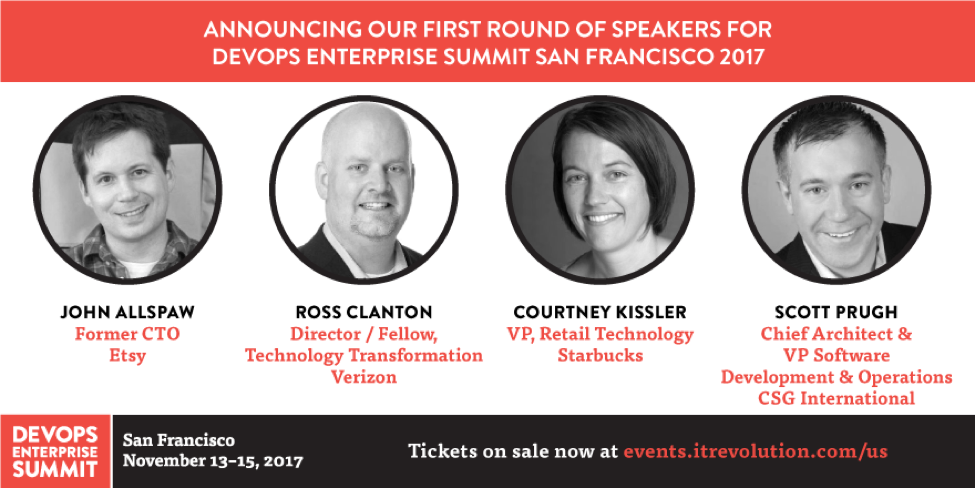

 Cameron Jones is the Principal Product Manager at Blue Medora. Based in Grand Rapids, MI, he has been with Blue Medora for over 5 years working with partners and customers to ensure the highest value of Blue Medora products. This has involved initial investigation, feature planning and ensuring customer satisfaction. Connect with him on
 A senior
 Sha Ma is the senior director, Software Engineering at SendGrid. She led development teams at both startups and Fortune 500 companies prior to joining SendGrid. In her current role, she drives strategic planning, development and management of large scale projects. Ma is a graduate of MIT where she earned both her bachelor’s and master’s degrees.

