
Adobe this week launched a series of tools intended to make it easier to build custom applications that can be deployed on a serverless computing platform on the Adobe Experience Cloud.
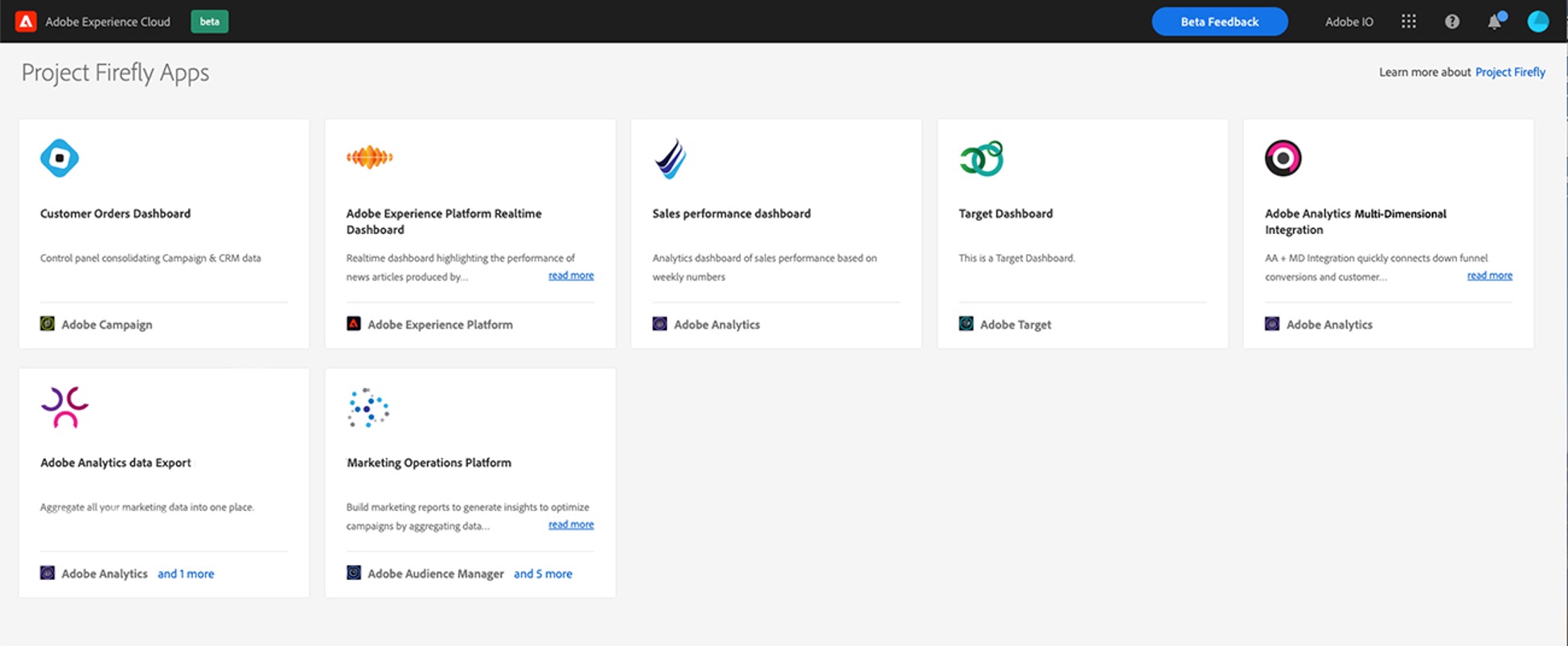
Announced at the online Adobe Developers Live event, the Project Firefly framework promises to make it easier for developers to build cloud-native applications that leverage the open source Apache OpenWhisk serverless computing framework.
The Firefly framework will make it easier for developers to, for example, invoke Adobe Analytics capabilities from within a custom application using functions, said Jason Woosley, vice president of developer experience and commerce for Adobe.
 Adobe this week also launched React Spectrum, an open source collection of libraries and tools for building interactive applications using the React framework. Based on JavaScript, React Spectrum makes it easier to build front-end interactive applications in a way that scales consistently.
Finally, Adobe added Adobe Experience Platform Launch Server Side, which makes it easier to collect data via Adobe Web and Mobile software development kits (SDKs).
Woosley said interest in building custom applications on Adobe Experience Platform has accelerated in the wake of the COVID-19 pandemic. Organizations of all sizes moving timetables for digital business transformation initiatives forward to engage customers online. Those initiatives frequently begin with marketing applications that are extensions of the software that Adobe makes available via its cloud platform, he said.
Once those applications are built they also typically need to be integrated with any number of back-end systems that act as systems of record for the business. Those tasks have become easier for developers to accomplish using any number of application programming interfaces (APIs) that providers of those platforms expose.
Most of the digital business applications are being built by professional developers employing best DevOps practices, Woosey said. As the Adobe strategy for enabling developers to build applications evolves, Adobe it evaluating to what degree it needs to embed DevOps capabilities within its cloud platform, he noted.
The Adobe Experience Cloud platform provides organizations with access to a series of applications that they can extend using Firefly, which eliminates the need to build every custom application from the ground up. As digital business transformation projects become a higher priority, the rate at which organizations need to build and deploy these applications has increased to the point where many of those organizations require a systematic approach based on best DevOps practices to build, deploy and update applications at scale.
It’s not clear to what degree the rise of digital business transformation initiatives will eventually act as a forcing function for adopting DevOps more widely within organizations. However, given the strategic importance of many of these projects, it appears all but inevitable that most organizations will need to modernize the way applications are built and deployed if they hope to remain relevant. In fact, embracing best DevOps practices is nothing less now than a matter of survival for many of those organizations.