Category: DevOps Open Source

  • System Initiative Open Sources Digital Twin Tool for DevOps

    System Initiative Open Sources Digital Twin Tool for DevOps

    System Initiative (SI) today announced it is making the digital twin tool it developed to manage DevOps workflows available under an open source Apache 2.0 license.

    Company CEO Adam Jacob said the approach will enable third parties to contribute to a project that is still early in its development cycle while SI provides commercial support via a subscription service.

    SI has developed a tool that creates a digital twin of a DevOps environment that provides a level of abstraction that makes it simpler to manage complex workflows at scale.

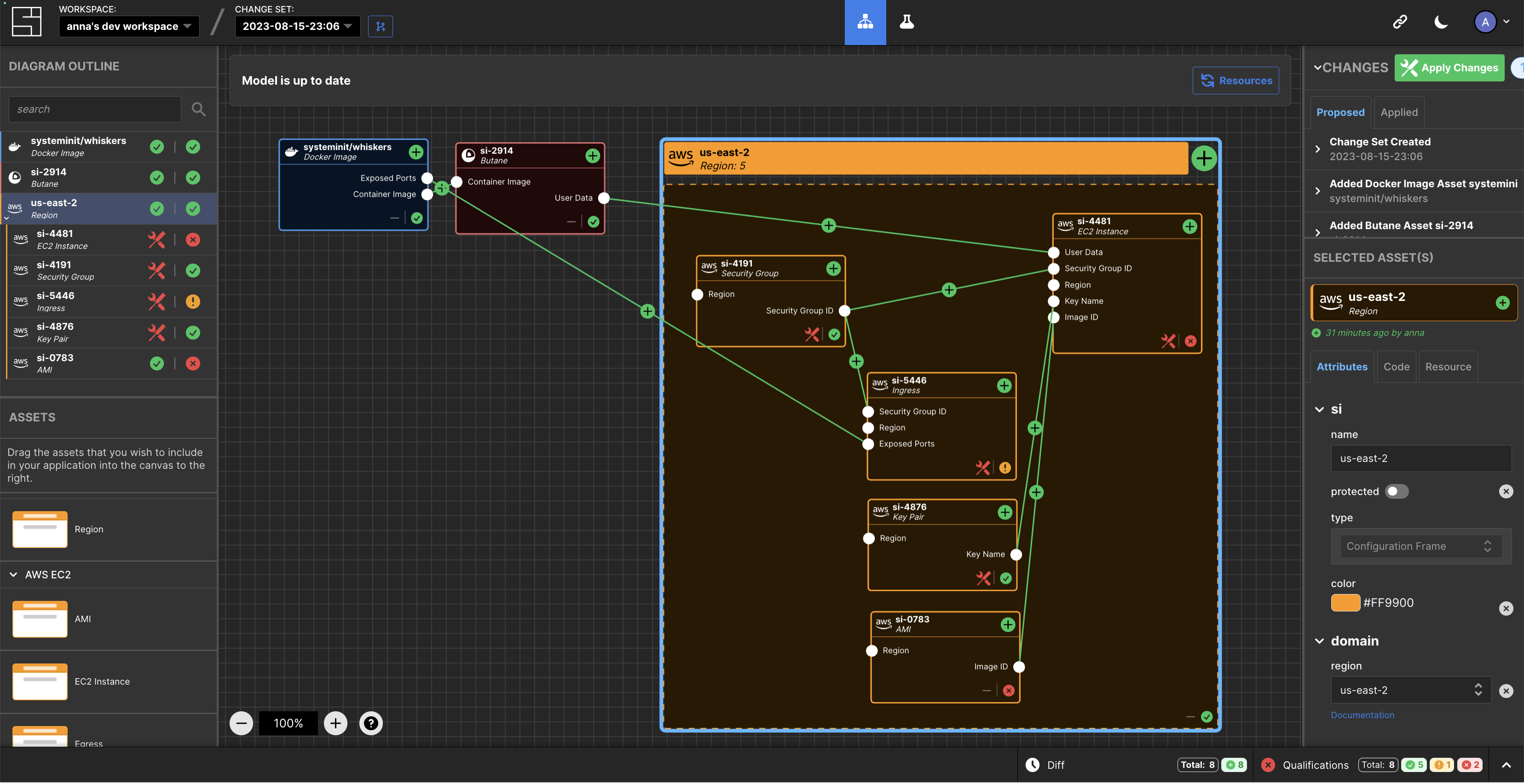
    At the core of that effort are models of IT environments created by the SI platform accessed via a visual interface. The automation framework built into the platform uses the relationships between models to infer configuration dynamically and generates typescript code that a DevOps team can then apply to automate a task.

    Feedback loops are provided in real-time to give insight into the viability of a configuration, in addition to eliminating the need for state files to track and ‘plan’ versus ‘apply’ stages.

    This approach streamlines a lot of the complexity that creates bottlenecks in DevOps workflows in what heralds the arrival of a new DevOps 2.0 era, said Jacob.

    In general, SI is making a case for an alternative approach to managing DevOps as the existing platforms and framework are fundamentally broken, added Jacob. Models that create digital twins of DevOps environments represent the arrival of a new era of software development and deployment, he noted.

    As more organizations realize their dependency on software to drive digital processes many are then looking to improve the productivity of developers and the DevOps teams that support them. Unfortunately, many DevOps teams are supporting DevOps workflows using custom code that varies widely in quality. Rather than rely on a DevOps engineer to write code, the SI digital twin tool will create code that can be applied more consistently to create DevOps workflows programmatically.

    One of the reasons few organizations today have fully automated DevOps across the application development and deployment process is that it’s simply too difficult to achieve using legacy tools and DevOps platforms. It’s not clear to what degree a digital twin approach to managing DevOps will resolve that issue, but when coupled with the arrival of artificial intelligence (AI) capabilities the way DevOps is managed is clearly about to transform.

    It may take a while for that transition to occur, but DevOps teams that have historically embraced automation are at the very least going to aggressively experiment with technologies that promise to eliminate much of the drudgery that makes DevOps more tedious than need be. The issue, as always, will be determining which technologies live up to the current level of hype being generated in a way that can be easily adopted.

  • Creating a Growth Loop for Your Open Source Project

    Creating a Growth Loop for Your Open Source Project

    Every open source project hopes to achieve escape velocity, attracting enough users and contributors to become a successful, sustainable project that expands over time. But how do you attract developers and create the cycle of adoption that can lead to a thriving ecosystem?

    It obviously starts with building a great product that developers love to use, and there’s an element of luck in finding this sweet spot and breaking through. But there’s also a lot that you can control. I was fortunate to have helped create an open source project, Streamlit, that expanded quickly and our company was acquired last year. I wanted to share what worked for me in the hope that it also can be helpful for you.

    My guiding principle is to meet developers where they are and make it as simple as possible, at every step in the journey, to discover your project, learn how to use it and build great products. Depending on the type of open source project you’re creating, providing a simple way to share artifacts and use cases built from your code—in our case, this was applications—can also be a powerful way to raise awareness.

    I think about this in terms of a “growth loop” with multiple points of entry where developers can get interested and get started. These entry points include developer forums, source repositories, your documentation page, learning assets, your website and more. The point is to eliminate friction at every point in this loop and make it as easy and fun as possible to start building and sharing with your code.

    For organizations trying to get their open source project off the ground, here are some key learnings about what worked for my company in building this growth loop and some tips for driving continued adoption and innovation.

    Be Visible in the Open Source Community

    We made it a point to go where developers are already at, including forums like Reddit and Stack Overflow and conferences like ODSC and FOSDEM. Engaging with developers to understand what they really need from your project and how to reduce points of friction is key. We were always grateful when people gave us feedback and we reached out to any developer who engaged with our product, whether they had 10 followers or 10,000. I’ve found that developers really appreciate it when you “show up,” and you learn an incredible amount that can help your project succeed.

    Give Developers What They Need

    Don’t hold back features or functionality that developers will find useful. Developers should have access to everything they need and feel confident that they won’t run into a significant paywall that prevents them from scaling. Building a successful open source project is a bottom-up process, and that means eliminating barriers to entry and making your code as easy to use as possible.

    Where developers go, enterprises typically follow. If you can build a tool that developers love so much they’re coding with it in their free time, they’re likely to take it into the workplace. If your goal is monetization, this is where you’re most likely to have an opportunity to recoup your investment.

    Enterprises require particular features around security, access management, IT support, scaling, service level objectives (SLOs) and other areas—capabilities they are often willing to pay for. So, consider a model where you give developers everything they need to become super users and look for adjacent areas where you can charge for enterprise-type features or enterprise implementations that businesses need.

    Make Sharing Incredibly Easy

    If developers build great things with your code, it’s helpful if they can share those things with the community to show what’s possible and drive interest. You can think of this as a type of advertising. Most developers aren’t won over by traditional ads, but discovering cool things that other developers have done with your code can be a great way to attract new users and fuel the cycle of discovery and adoption.

    So think about the natural output from your project that developers could share with the community. Can they put code on GitHub? Share an app or visualization they built? Post a speed comparison? What can they put on Twitter if they love your project and want to show what they’ve achieved with it?

    Our project is for building data apps, so early on, we added a feature that allowed people to take a screen recording and share their work on Twitter so others could see it in action. Later on, we added a free cloud offering so they could directly share apps with the community. Think about what works for your project and how you could make sharing easy.

    Create Amazing How-Tos and Tutorials.

    These can be important entry points on your growth loop, and it’s best to provide them through developers’ preferred channels. YouTube is a go-to for tutorials of all types, and you can also leverage Coursera, Educative and other e-learning platforms. Someone on my team created a Coursera course for our project that has more than 20,000 enrollees, and one of our Code Camp videos has been viewed over a million times.

    Get creative. If your project is starting to see traction among students, think about providing educational materials that professors can use in the classroom. Online interactive courses are not only a great way to learn programming, they make it easier for educators to manage coursework and see who’s keeping up. This is an excellent way to promote your project and capture new developers.

    Documentation is another important entry point. Our documentation page is starting to look like an e-learning course itself, with guides for getting started, sample code and sample apps. Documentation pages can be listed by search engines, and we found it was worth the engineering time to make this happen.

    Contribute to Other Open Source Projects

    Giving back to the community is a good practice for anyone who cares about software, but it can also benefit your project: Contributing to open source projects helps ensure that your software will be compatible with the tools your target developers use. As well as ensuring interoperability, this can help raise awareness of your project in relevant developer communities.

    Reaching critical mass with an open source project is about understanding what your target developers need, being smart with your resources and removing friction wherever you can. This concept of a growth loop worked for our project, and I hope it helps you to achieve success with yours.

  • DevOps Done Right: How to Succeed in DevOps From Day One

    DevOps Done Right: How to Succeed in DevOps From Day One

    Whether you are diving into DevOps for the first time or trying to do it right this time, DevOps Onramp provides all the information you need for a successful DevOps journey. Join us on May 4, 2023, to learn how to get started with DevOps—and how to do it right.

    You’ll learn:

    • DevOps best practices, processes and the tools you’ll need
    • Tips and tricks from experienced practitioners sharing their real-world experiences
    • The basics of DevOps
    • How to choose the right technologies
    • Common challenges and how to overcome them
    • The benefits of DevOps as a methodology and a career
    • And more!

    As organizations face increasing pressure to adapt faster and become more agile, getting DevOps right and adopting a DevOps mindset is crucial to deliver high-quality software faster and increase business value. And that opens up great opportunities for anyone looking to start a new career or pivot from an existing role in technology.

    DevOps has become the standard of software development methodologies and it’s critical for successful digital transformation. Adopting DevOps—and doing it the right way—can benefit not only your organization but also your customers and end users by fostering innovation, reducing time to market, increasing development productivity, improving product quality and reliability and reducing costs.

    That’s why many big companies, such as Amazon, Netflix, Facebook and many others have adopted a DevOps mindset—and DevOps practices. And as more businesses are looking to move to the cloud and transition into DevOps, there are plenty of job opportunities available for DevOps engineers at various levels.

    DevOps is a growing field with a lot of opportunities for professional growth. According to a research study by Global Market Insights Inc., the DevOps market is expected to surpass $30 billion by 2028. Due to the high demand for skilled DevOps engineers and the shortage of qualified DevOps professionals in the industry, there is no better time to upskill than now.

    Whether you are diving into DevOps for the first time or trying to do it right this time, DevOps Onramp provides all the information you need for a successful DevOps journey.

    At DevOps Onramp Virtual Summit, taking place on May 4, 2023, you’ll get all the knowledge you need to get started with DevOps —and how to do it right. Join us to learn about DevOps best practices, processes and tools and get tips and tricks from experienced practitioners sharing their real-world experiences. We’ll go through the basics of DevOps, how to choose the right technologies, common challenges and the benefits of DevOps.

    One thing is for sure: The future of DevOps is very promising. The rush has started—don’t be left behind!

    DevOps Onramp Virtual Summit - Submit your talk

    If you’re interested in becoming a sponsor, please contact us. For more information, please visit the DevOps Onramp website.

  • Voice.ai ‘Stole’ Code ¦ AWS Gets Filthier

    Voice.ai ‘Stole’ Code ¦ AWS Gets Filthier

    Welcome to The Long View—where we peruse the news of the week and strip it to the essentials. Let’s work out what really matters.

    This week: Alleged theft of GPL code, and Amazon will run its data centers on gas. (more…)