Category: Cloud Computing

  • Tools for Sustainability in Cloud Computing

    Tools for Sustainability in Cloud Computing

    Cloud computing is a primary driver of modern technological advancements. However, as cloud services adoption continues to soar, so does a concern for their environmental impact. The further expansion of cloud infrastructure will demand more energy, which means the need for sustainable solutions has never been more acute.

    Due to their scale, cloud vendors operating large data centers have a greater impact on minimizing the IT’s industry overall carbon footprint than do smaller on-premises deployments. In this article, we highlight the main benefits of migrating business operations to the large-scale cloud providers known for their established sustainable practices, and point to useful resources.

    Follow the Leaders

    Major cloud platforms, including Google Cloud Platform, Amazon Web Services and Microsoft Azure, have pledged to achieve net-zero carbon emissions in their data centers by 2030. These platforms are well-positioned to lead the adoption of sustainability principles in cloud engineering due to their reputation and global reach.

    Microsoft’s study on the carbon benefits of cloud computing showed that an enterprise could reduce its carbon footprint by up to 98% by migrating to Microsoft Cloud, compared to running its IT operations in the on-premises data center.

    As for Google Cloud, all of its cloud products are carbon neutral. Google achieves this by purchasing renewable energy to reduce the carbon footprint from operations performed on its infrastructure, as well as by using high-quality carbon credits to compensate for its remaining carbon emissions.

    By moving your operations to the cloud and focusing on developing cloud-based applications, you can contribute to sustainable business practices and overall carbon footprint reduction.

    Increase Energy Efficiency

    Public cloud platforms rely on large-scale data centers with advanced infrastructure technologies. That allows them to reduce electricity consumption for overhead tasks such as lighting, cooling, and power conditioning. For example, according to Google’s environmental report, its data centers consume half the energy needed to power an average on-site data center.

    Energy efficiency is also driven by higher server utilization rates and the ability to manage workloads flexibly. These are the main factors that allowed AWS to make its data centers 3.6 times more energy efficient than a median data center run by a U.S. company.

    Additionally, the innovative approach applied to server architecture design in large data centers enables cloud service providers to develop custom hardware optimized for their customers’ workloads.

    Big Names are Committed to Sustainable Software Development Practices

    Another environmental benefit of running IT operations in the cloud is that public cloud platforms are committed to sustainable software engineering – and they want to make it feasible for anyone who uses their platforms.

    Green (or sustainable) software starts at the design phase, considering carbon emissions as a project requirement. According to the Green Software Foundation, sustainable software applications are carbon efficient (can run on fewer machines and resources), energy efficient (require less energy to perform the same tasks), carbon aware (prioritize renewable energy sources as a power source) and hardware efficient (use less hardware).

    IT operational efficiency is a fundamental of sustainable software engineering. Since cloud service providers already apply advanced technology to improve the energy and hardware efficiency of their infrastructure, cloud migration is a good start for supporting green coding.

    Microsoft developed eight principles of sustainable software development for engineers to follow when they build, design, and deploy applications. You can apply these principles to all types of applications, whether deployed on-premise or in the cloud.

    Amazon released a sustainable architecture guide with strategies for applying sustainability practices to optimize AWS infrastructure compute, storage and network layers. AWS also provides guidance on applying environmental best practices for designing and operating workloads in the cloud.

    A Tools Roundup for Measuring and Reporting Carbon Emissions

    In addition to implementing sustainability practices in their business operations, cloud platforms offer clients tools to monitor and measure carbon emissions linked to cloud service usage and report their overall carbon footprint following greenhouse gas protocol standards.

    Google Cloud provides users with an emissions calculator. Using Carbon Footprint, you can track the emissions from running your applications. The tool lets you view and analyze data related to gross carbon emissions and use derived insights in emissions reports.

    AWS also offers the Customer Carbon Footprint Tool for emissions tracking. You can calculate their carbon emissions associated with using AWS services, track emissions after migrating to the cloud, and use the data for sustainability reporting purposes.

    Microsoft customers can access the Emissions Impact Dashboard to estimate their carbon footprint related to Microsoft Azure and Microsoft 365 cloud services. Microsoft also offers Cloud for Sustainability for tracking and managing carbon emissions. It gives you visibility into your organization’s environmental impact, aggregates data from various sources, and offers practical recommendations for reducing a carbon footprint.

    Energizing Thoughts

    Achieving “net zero” is not solely the responsibility of large-scale cloud providers. Businesses must also contribute. Itransition’s cloud consultants believe that if more companies move their IT operations from on-premises servers to the public cloud, overall energy consumption and related carbon footprint will decrease.

    By leveraging renewable energy sources, optimizing infrastructure for energy efficiency and employing innovative technologies, these leading cloud platforms can attract a cohort of environmentally conscious clients. Those users may consider switching to the cloud not only for direct business benefits but also to make their operations more sustainable.

    Photo credit: Aimable Mugabo on Unsplash

  • Controlling Cloud Costs With Efficient Ramp Plans

    Controlling Cloud Costs With Efficient Ramp Plans

    A mix of rapid migrations to the cloud and complexity over usage and costs has companies desperately trying to reduce waste and gain control over their spending. Making matters worse is a volatile economy that has decision-makers on edge, considering cost-cutting measures and placing a priority on locking down revenue.

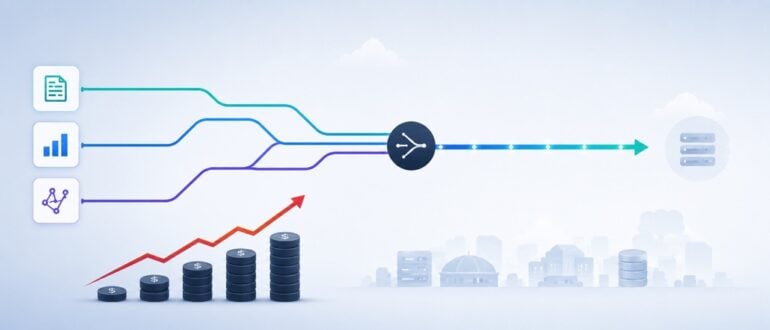
    Without a formal FinOps or cost optimization strategy in place, it’s easy for companies to see cloud expenses snowball out of control. In fact, analysts from Gartner report that organizations that do not employ cloud cost optimization can overspend by up to 70%. That said, ramp plans are becoming a vital tool for containing cloud resources.

    Still, while this strategy can show how to effectively grow your environment and increase workloads, the way a ramp plan is carried out is key to its success. The following looks at what companies should do to succeed with ramp planning accompanied by some strategic advice for handling unique needs that may arise.

    Ramping Up

    A ramp plan, at its most rudimentary level, is data tracking toward how your organization consumes cloud resources versus what it commits to with a cloud service provider (CSP) or reseller. By committing to spend a set dollar amount, you can get healthy discounts or other incentives. As an example, a 50% increase in consumption by the end of the year might earn a 10% discount from a CSP on compute workloads. But there is risk: A company is still obligated to pay that figure, even if it uses far fewer resources than it committed to.

    Still, just as you don’t want to spend money needlessly, CSPs—even high-volume hyperscalers like Amazon AWS and Google GCP—would rather see customers get what they need and grow their footprint. For some organizations, the answer is bringing in a partner to help forecast spend. Questions regarding what is needed, past usage, anticipated growth, potential for acquisitions and more need to be answered. You also have to examine such things as product and service offerings. For instance, a subscription app you offer could catch fire and bring in customers—but you’ll need to plan accordingly so the resources will be in place to meet this demand.

    Compiling and projecting this all isn’t easy, but this type of data is needed so you can develop a ramp plan and budget effectively. In the past, this process required time-consuming manual research, a host of spreadsheets and sophisticated algorithms. However, technology has been developed to automate, drive and scale this process. For some businesses, the ideal is to find a partner with this capability in-house and a depth of expertise to use it correctly.

    Processes and Partners

    Ideally, a ramp plan should be developed before a commitment is made. It should be reviewed on at least a quarterly basis with the C-suite and appropriate technical executives and then revised as necessary. On the whole, CSPs like to sign customers to contracts extending more than a year, with three-year terms being typical.

    Working with a third-party partner, reseller or directly with a hyperscaler comes down to personal preference. Big companies, much like hyperscalers, tend to have a lot of bureaucratic processes and requirements. So, if you want a tactical agreement with AWS, you may have to buy tactical support. You may get a good financial incentive in exchange, but the cost of enterprise-level support could offset that.

    Partners and resellers of cloud services, on the other hand, help hyperscalers scale their businesses, so they often have special arrangements that lower support costs. The development of ramp plans is usually less when going through a third party versus registering with a CSP. These services are often designed for smaller companies that larger CSPs don’t have time to handle. Third parties tend to provide tailored services more in tune with customer needs, including more flexible usage, optimization and security. These partners tend to negotiate more effectively than customers themselves because they better understand the ecosystem and which levers to pull.

    Measuring Success

    It’s not easy to measure and track the success of a ramp plan. Beyond understanding and meeting your commitment—and getting the most from cloud spend—the best measure is profitability. Are you just eating costs or acquiring new customers? Is your efficiency boosting or lowering your margins? It’s even possible to apply unit economics to assess if you’re making money on the resources being used.

    Making a commitment and ramp planning should involve more than financial incentives. Maybe there’s some other strategic aspect you want to achieve? From service-level agreements to support, a lot of things can be woven into a commercial contract. Benefits can come in various forms, but when they’re added together, you can take success in the cloud to a whole new level.

  • Blueprints for a Secure, Future-Proof Hybrid Cloud

    Blueprints for a Secure, Future-Proof Hybrid Cloud

    For today’s organizations, hybrid environments are a given. Whether for legacy reasons, regulatory requirements, or other specific needs, some of an enterprise’s critical data is likely to reside on, or in some cases, revert to, on-premises. However, other equally crucial data might be more efficiently and cost-effectively suited for storing and accessing in the cloud. Hence, hybrid.

    Despite their logic and many benefits, hybrid environments bring new levels of complexity. And they bring greater vulnerability, with ever more devious cyber threats probing the multitude of network access points. More than 80% of breaches now involve data stored in hybrid environments, according to IBM’s Cost of a Data Breach 2023 Report.

    That’s why, to avoid data loss and maintain a comprehensive level of protection across the entire environment, organizations need a blueprint for adopting and evolving their hybrid systems. The right solution enables data protection across workloads, providing the hybrid enterprise with the flexibility to protect data wherever it is today — and wherever it might be in the future.

    A growing multitude of organizations in various industries have successfully implemented blueprints of this sort, built on the following foundational considerations:

    Cost-optimization: A solution that can span a hybrid environment — SaaS, software and on-premises — and reduce infrastructure to manage and save administrative time.

    Air-gapped security: Backup of the most critical data in cloud locations that can’t be accessed through whatever network or networks might be the focus of a cyberattack.

    Fast recovery: Flexible, performance-optimized storage combined with the ability to send an air-gapped copy to the cloud for ransomware protection.

    Broad coverage: An integrated set of software, appliance and SaaS offerings that span hybrid environments — and can evolve with the organization.

    Simple management: Single-pane-of-glass dashboards for monitoring the hybrid environment while reducing management overhead.

    Reliability for peace of mind: Leveraging industry-leading, trusted platform solutions rather than unproven point products.

    Now’s the time to see it in action.

    Ensuring an Insurer’s Data Backup

    In Israel, Harel Group is the country’s top insurance and financial services provider, managing a large volume of data and investments. As such, a critical priority for the company is to ensure all that data is 100% backed up and can be restored without any issues.

    Harel Group were using a secure solution to reliably protect more than 1.5PB of data in its on-premises environment. More recently, though, it has sought the flexibility and efficiencies of moving part of its infrastructure to the cloud. However, stringent industry regulatory requirements meant Harel could store sensitive data in the public cloud only if it could be backed up and stored as efficiently, securely and reliably as the on-premises data. What they needed was a SaaS solution.

    “A SaaS solution takes care of data availability, but not the backup operation of the data,” said David Ben-Eli, system IT infrastructure manager for Harel Group. “We knew from day one that in taking on Microsoft 365, we would need a SaaS solution with good restore functionality that satisfies our business model and strategy.”

    And so, Harel designed a blueprint based on a fully managed SaaS platform. The initial stage involved protecting approximately 1,000 of its employees’ mailboxes, which will soon cover more than 5,000 mailboxes.

    The SaaS solution also enabled Harel to move its on-premises storage securely to the cloud, which has the dual advantage of reducing infrastructure costs and air-gapping its backups to mitigate the risk of ransomware attacks. “We have peace of mind that our data is secure,” Ben-Eli said. And the entire cost of the SaaS solution “is less than the cost of hiring more people.”

    Backing up and protecting a company’s data in a hybrid environment is challenging enough. To be a vendor providing those capabilities to other companies comes with additional challenges.

    A Vendor Puts its Data in Order

    Evolutio, based in Madrid, is a leading enabler of cloud services that provides more than 5,600 kilometers of deployed networks with 6,100 virtual machines across three data centers. Its goal is to support customers’ digital transformations and foster their agility, flexibility and innovation capacity to optimize their business value.

    To meet Evolutio’s needs, Alain Rodriguez, head of services management office, had to find an easy-to-use solution that consumed minimal resources to manage backups and security for Microsoft 365. His blueprint aimed to protect critical data before anything could go wrong.

    So, Evolutio chose a single platform to back up and restore data for internal systems. By implementing a fully hosted SaaS-based solution, Evolutio no longer needs to worry about purchasing and maintaining equipment yearly. There is also no upfront investment required and no additional costs for support from the vendor. As a result, Evolutio’s business can grow on demand.

    Resolving a Global Data Sprawl

    Woodward, Inc. is an American designer, manufacturer and service provider of control systems and components for aircraft engines, industrial engines and power systems. The company has been growing significantly across dozens of global networking sites, with expansion that quadrupled the size of data and backed-up servers.

    Virtual machine sprawl ate into company resources while complicating backup operations requiring standardized procedures. Slow legacy servers and apps made it impossible to meet recovery point objective (RPO) and recovery time objective (RTO) targets. And the absence of a coherent, comprehensive disaster recovery plan worsened things.

    Topping this off was increased backup storage costs via disk and tape and a need for central management or cross-department visibility into data protection and backup policy compliance. There was no blueprint, in other words.

    After trying unsuccessfully to address its needs with various disparate solutions, Woodward decided to replace everything with a comprehensive cloud-based backup and recovery platform. The company switched all global sites to this solution. As a result, Woodward has reduced the overhead of managing their data protection, can consistently enforce backup, restore and retention policies and has unprecedented comprehensive visibility and reporting across the end-to-end environment.

    “I used to cringe when I received a restore request since backups would frequently fail,’’ said Loren Leveque, senior manager of IT and system networking. With the cloud-based platform, he said, “I am ready to support the backup, restore and archive needs of our company.”

    Supporting Dozens of Manufacturing Plants

    Linamar Corporation is a diversified global manufacturing company and world leader in designing, developing and producing highly engineered products. Because the Canadian company supports 61 plants globally, a cloud approach became necessary to streamline efficiency in backup and recovery.

    Linamar had recently shifted from Microsoft Exchange on-premises to cloud-based Microsoft 365 for its 7,000+ users worldwide, and the company’s tape-based backup system didn’t support it. The built-in Microsoft 365 data protection was a start, but it couldn’t handle the rapidly expanding demands imposed by Linamar’s global network.

    By moving to a cloud-based backup and recovery platform supporting Microsoft 365, Linamar saved the costs and administrative time previously needed for managing tapes. And backup is no longer a full-time job – it’s more like “when you need it, set it up,” said Kristian Smith, Linamar’s manager of technical services and support. Restores can now be handled 100% within the team and take hours to execute, not weeks.

    Bringing it All Together

    The examples might be as varied and numerous as enterprises worldwide with crucial data to protect. But these and any other success stories all have at least one thing in common: They took a blueprint approach to ensuring that their hybrid environment is secure and sufficiently future-proof.

  • What the Evolution of Specialized Hardware for AI and ML Means for DevOps

    What the Evolution of Specialized Hardware for AI and ML Means for DevOps

    The widespread adoption of artificial intelligence (AI) and machine learning (ML) technologies is accelerating the evolution of computational hardware, essential for automating complex processes and enhancing accuracy in decision-making. This acceleration is crucial in advancing computer science and data processing, especially within the various segments of AI/ML data pipelines.

    This growing demand is prompting a diverse array of chip manufacturers, from established players to emerging contenders, to innovate and lead in the development of faster and more efficient processing solutions. The primary goal? To design chips that optimize data transfer, improve memory management and enhance power efficiency. These advancements are far from incremental; they are pivotal in meeting the escalating demands of sophisticated AI and ML applications.

    This evolving hardware landscape for DevOps necessitates greater unification and automation of the various applications to the specialized AI infrastructure. With chip architectures diversifying, building the application stacks focusing on portability, performance and ease of access becomes even more crucial. The ability to seamlessly embrace multiple architectures will be key to striking the right balance for the varying technical abilities of the people who want to interact with technology.

    This article explores the implications of these hardware advancements on DevOps processes within AI and ML. Additionally, we explore strategies DevOps teams may consider to ensure applications remain efficient and portable across various chip architectures.

    The Rise of Specialized Hardware

    Historically, general-purpose hardware, including GPUs and CPUs, was the staple for many workloads. However, a clear pivot to specialized hardware is underway in artificial intelligence and machine learning, where training and inferencing demands have grown exponentially. These applications often hit performance limitations inherent in traditional hardware, partly due to the modern constraints of Moore’s Law. As a result, there is an increasing need for hardware capable of handling specific AI tasks with increased efficiency and speed. For instance, in certain machine learning scenarios, using hardware that supports single-precision floating-point computations can speed up processes without the need for the accuracy provided by double-precision computations.

    Although NVIDIA remains a dominant force in the AI chip market, the competition is heating up, with various companies offering innovative alternatives. And it’s not only from the usual suspects like Intel or AMD; Google has made strides with its Tensor Processing Units (TPUs). Amazon recently announced Trainium2, a new AI chip designed specifically for training AI systems. This chip, set to compete with Microsoft’s Maia and Google’s TPUs, underscores the growing custom AI chip development trend among major tech companies. Beyond these giants, startups such as Cerebras, SambaNova Systems, Graphcore and Tenstorrent bring fresh takes on AI hardware solutions.

    Challenges for DevOps

    As specialized hardware becomes more prevalent, the DevOps community will need to manage various new challenges, including performance portability. Performance portability refers to ensuring that applications run efficiently and perform well across varying computing architectures with minimal to no modifications.

    Cognitive computing (the broader category of AI and ML) varies in complexity, depending on the algorithms, models and creators’ unique demands for hardware-specific features. While an architecture-tailored version will certainly maximize performance on respective platforms, it complicates the process of ensuring a consistent software experience across diverse hardware.

    The challenge of system design lies in optimizing the environment for maximum efficiency, especially when the precise nature of the workload is unknown to those responsible for designing and supporting the systems.

    Of course, there are also significant and related considerations with continuous integration and continuous deployment (CI/CD) pipelines. The intricacies of CI/CD pipelines are magnified when pursuing performance portability. The need to validate software performance across multiple hardware configurations introduces a more elaborate testing matrix and can extend deployment cycles, directly affecting time-to-market requirements. Suddenly, workloads are now crossing the traditional IT infrastructure and high performance/supercomputing boundaries once defined by microservice and batch processing technologies; they are now one in a CI/CD pipeline.

    As organizations adopt specialized hardware, there’s the potential for a parallel rise in specialists focusing solely on one type of hardware or application use case. While such expertise can drive innovation and optimization for a particular platform, it also creates complexity and the potential for knowledge silos and unnecessary complexities for the operations teams and clients that use those systems.

    Leveling up Performance Portability

    Performance portability and closely related concepts, such as hardware-agnostic performance and cross-platform efficiency, are increasingly important for DevOps teams. As the technological landscape shifts, the pressing question becomes: How can the industry and DevOps teams navigate this evolution seamlessly?

    Ongoing research and development will no doubt play a key role. For example, the U.S. Department of Energy (DoE) is exploring new methodologies to support its Exascale Computing Project. This includes refining existing software libraries, pioneering new programming models and developing new tools that could eventually influence wider DevOps practices. Other researchers are developing software abstraction layers, aiming to simplify the adaptation of generic code for specific hardware configurations.

    Beyond new tools and methodologies that may come from current R&D efforts, there are many existing tools and processes that lend themselves to improving performance portability, including:

    • Containerization: Containers encapsulate applications and their dependencies in a way that helps ensure they run consistently across various environments. Open source tools like SingularityCE with Open Container Initiative (OCI) compatibility can help standardize and simplify deployment across different hardware configurations, promoting performance portability for high-performance computing and traditional IT infrastructure management.
    • Benchmarking and profiling: To achieve performance portability, it’s imperative to understand how software behaves across different architectures. Benchmarking tools provide quantitative performance measures, while profiling tools offer insights into software behavior, helping developers identify bottlenecks and areas that need optimization.
    • Code Portability Libraries: In addition to libraries like OpenCL that enable software execution across diverse hardware, recent advancements in container technologies complement this capability. For example, enhancements in container device interfaces, such as those in SingularityCE, streamline the integration of hardware-specific resources. This development aids DevOps teams in optimizing software for various hardware without extensive codebase rewrites, exemplifying the tools supporting hardware diversity and software agility in all aspects of cognitive computing.

    Of course, on top of all these tools and strategies, agile methodologies will remain essential since they prioritize iterative development, continuous feedback/improvement, and adaptability—all of which are important to fast-evolving hardware and software configurations.

    Looking Ahead: Adaptability as the Key

    As we embrace the new frontiers in AI and ML, the role of DevOps teams in navigating a constantly evolving hardware landscape becomes increasingly vital. At the heart of this journey lies the formidable challenge of application portability—a challenge that calls for technical expertise and a strategic shift toward adaptability. Enter containers emerging as indispensable tools that ensure a consistent application experience and performance across diverse platforms and handle the intricacies of portability.

    Likewise, adopting agile methodologies transcends process adherence; it embodies a mindset of flexibility and responsiveness, essential in rapid technological shifts. These approaches, far from temporary fixes, are integral to a strategy that aims to unleash the potential of AI. As DevOps teams continue to navigate these challenges, their success will depend on their adaptability and willingness to explore and integrate established and emerging technologies—particularly those excelling in scalability and efficiency. This proactive exploration and integration will be the key to surviving and thriving in this dynamic technological landscape. And yet, while we have discussed this problem regarding scientific applications, the impact is also felt on the AIOps side of the house, using AI-specific hardware with AIOps practices. While our goal here was to discuss the complexities of creating and administering systems for artificial intelligence and machine learning, we have yet to approach the security conversation, particularly with confidential computing, which is a topic for another time. Happy computing.

  • 5 Serverless Challenges of DevOps Teams and How to Overcome Them

    5 Serverless Challenges of DevOps Teams and How to Overcome Them

    Serverless is a cloud computing execution model where the cloud provider dynamically manages the allocation of machine resources. The term ‘serverless’ might be somewhat misleading as it doesn’t mean servers are not involved. Instead, it means that developers no longer have to think about servers, even though they’re running on them.

    The idea is to abstract the infrastructure away so that developers can focus solely on the code. Functions, the units of code, are triggered by a variety of events, including HTTP requests, database events, queuing services, monitoring alerts, file uploads, scheduled events (cron jobs), and user sign-ups or in-app activities.

    The Importance of Serverless for DevOps Teams

    Serverless computing brings a paradigm shift in how applications are built, deployed and managed, directly impacting DevOps teams. The core advantage of serverless for these teams is the significant reduction in operational overhead. With serverless, the cloud provider takes responsibility for running the server, ensuring its reliability, and scaling the infrastructure. This frees DevOps teams from the routine tasks of server provisioning, maintenance, and patching, allowing them to focus more on optimizing the application’s code and business logic.

    However, this shift also demands a change in mindset and approach. DevOps teams must adapt to a more granular, event-driven architecture that serverless promotes. They need to design systems thinking about individual functions and how they interact, instead of traditional monolithic applications or even microservices. This requires a deeper understanding of the cloud environment and its services, as serverless functions are often tightly integrated with other cloud services like databases, message queues, and API gateways.

    Moreover, serverless computing introduces new challenges in areas like security, monitoring, and cost management. For instance, the ephemeral nature of serverless functions can make traditional monitoring approaches less effective, and the dynamic scaling can lead to unpredictable costs. DevOps teams need to develop new strategies and adopt specialized tools to address these challenges. Despite these issues, the benefits of serverless – in terms of agility, scalability, and potential cost savings – make it an increasingly essential tool in the DevOps arsenal, particularly for organizations looking to innovate and deploy rapidly in a cloud-centric world.

    5 Serverless Challenges of DevOps Teams and How to Overcome Them

    1. Complexity of Monitoring in Serverless

    A main challenge in the serverless world is the complexity of monitoring. Unlike traditional architectures where you can monitor physical or virtual servers, in serverless, you need to monitor individual functions. This can be tricky as you may have hundreds or even thousands of functions running simultaneously.

    To effectively monitor serverless architectures, you need to go beyond traditional methods. You need tools that can provide insights at the function level, such as AWS CloudWatch or Azure Monitor. These tools allow you to monitor metrics like execution time, error rates, and invocation counts for each of your functions.

    But monitoring is not just about gathering metrics. It’s also about understanding the relationships between your functions and other components of your system. For this, you need distributed tracing tools like AWS X-Ray or OpenTelemetry, which can provide a detailed view of how requests flow through your system.

    2. Managing Lambda Cold Starts

    One of the most common serverless challenges that DevOps teams face is cold starts. A “cold start” refers to the delay that occurs when a function is invoked after being idle for a while. This delay can significantly impact the performance of your applications, especially those that rely on real-time processing.

    The first step to managing Lambda cold starts is understanding what triggers them. Typically, a cold start happens when a new instance of your function is created, which can be due to several reasons, such as an increase in traffic, the deployment of a new version of your function or after a function has been idle for too long.

    To overcome this challenge, there are several strategies you can employ. First, you can use provisioned concurrency, a feature offered by AWS Lambda that allows you to keep a specified number of function instances warm and ready to respond to invocations. Another strategy is to design your applications to be resilient to cold starts by implementing retry logic or using asynchronous invocation when possible.

    3. Security Concerns in Serverless Architectures

    Security is a top concern for any DevOps team. In serverless architectures, you have less control over the underlying infrastructure, making it more difficult to ensure the security of your applications.

    The first step to securing your serverless applications is understanding the shared responsibility model. In a serverless environment, the cloud provider is responsible for securing the infrastructure, while you are responsible for securing your code and configurations. This means you need to pay extra attention to things like input validation, error handling and secure configuration practices.

    Another key aspect of serverless security is managing permissions. Each of your functions should have the least privileges necessary to perform its task. This can be achieved by using identity and access management (IAM) services provided by your cloud provider.

    4. Managing Third-Party Dependencies

    Managing third-party dependencies is another challenge that DevOps teams often face in serverless architectures. These dependencies can introduce vulnerabilities into your applications, affect the performance of your functions, and even increase the cost of your serverless deployments.

    The key to managing third-party dependencies is to minimize their use. Only use dependencies that are necessary for your application and regularly review them to ensure they are still needed. You should also keep your dependencies up-to-date to benefit from the latest security patches and improvements.

    When using third-party dependencies, it’s also important to understand their impact on your functions. You can use tools like AWS X-Ray or Google Cloud Trace to monitor how these dependencies affect the performance of your functions.

    5. Cost Management and Optimization

    While serverless can be cost-effective, it’s easy to rack up high bills if you’re not careful. This is because in serverless, you pay for every invocation of your functions, even if they result in errors.

    To manage costs in serverless, you need to monitor your usage closely. Tools like AWS Cost Explorer or Google Cloud Billing can provide insights into your spending and help you identify areas for optimization.

    You can also optimize costs by designing efficient functions. This means writing code that executes quickly and efficiently, minimizing the use of third-party dependencies, and managing the concurrency of your functions.

    In conclusion, while serverless technologies offer many benefits, they also present unique challenges for DevOps teams. By understanding these challenges and employing the right strategies, you can effectively manage and overcome them, ensuring the successful delivery of your serverless applications.

  • Navigating the Multi-Cloud Ecosystem

    Navigating the Multi-Cloud Ecosystem

    Multi-cloud infrastructure, an approach where organizations utilize services from multiple cloud providers, is rapidly gaining traction in the tech world.

    In this article, we will unpack the concept of multi-cloud infrastructure, examining how it enables businesses to diversify their cloud ecosystems for enhanced performance, greater flexibility and improved risk management.

    Understanding the Multi-Cloud Ecosystem

    Multi-cloud environments represent a strategic approach in cloud computing where businesses utilize services from multiple cloud providers to meet diverse operational needs.

    This concept differs from hybrid cloud, which typically blends both private and public cloud infrastructures, aiming to offer a balance between the two under a single unified environment.

    In contrast, a multi-cloud strategy involves using distinct cloud services – for instance, one provider for storage, another for computing power and another for analytics – without necessarily integrating them into one cohesive system. This approach allows organizations to leverage the unique strengths and offerings of various cloud providers, thereby optimizing their IT infrastructure for efficiency, cost-effectiveness and enhanced performance.

    The Advantages of a Multi-Cloud Approach

    Adopting a multi-cloud approach brings several key benefits, the biggest among them being enhanced resilience, flexibility and the avoidance of vendor lock-in.

    By distributing resources and workloads across multiple cloud environments, businesses can mitigate risks associated with relying on a single cloud provider, such as service outages or data loss. This diversity ensures continuous operation and robust disaster recovery capabilities.

    Additionally, a multi-cloud strategy empowers organizations with the flexibility to select the best services that each cloud provider offers, tailoring their IT infrastructure to specific needs and operational demands. This tailored approach enables businesses to optimize both performance and cost. Different providers may offer competitive pricing for specific services, allowing companies to choose the most cost-effective solutions for their requirements.

    Moreover, by avoiding vendor lock-in, organizations retain the freedom to switch providers as needs evolve or as newer, more advantageous services become available. This strategic utilization of multiple clouds ultimately leads to a more efficient, agile and economically sound IT infrastructure.

    Key Challenges in Multi-Cloud

    Multi-cloud management comes with its own set of challenges, particularly in terms of complexity, data security and compliance. DevOps teams often grapple with the complexity of managing disparate cloud services, each with unique features and interfaces, making seamless integration and consistent operation a demanding task.

    Data security is another critical concern, as safeguarding sensitive information across multiple platforms requires robust and adaptable security measures. Additionally, ensuring compliance with varying regulations across different cloud environments adds another layer of complexity.

    These challenges necessitate that DevOps teams are technically proficient and adept at strategic planning and coordination to manage a multi-cloud ecosystem effectively.

    Best Practices in Multi-Cloud Deployment and Management

    When managing and deploying within a multi-cloud ecosystem, DevOps teams can greatly benefit from the following five best practices:

    1. Strategic Cloud Service Selection: Carefully assess and choose cloud services based on specific workload requirements, performance metrics and cost-effectiveness to ensure optimal deployment.
    2. Centralized Monitoring and Management: Utilize centralized tools for monitoring and managing different cloud environments to maintain consistency and control and to streamline operations.
    3. Consistent Security Posture: Apply uniform security policies and practices across all cloud platforms to protect data integrity and comply with regulatory standards.
    4. Automation: Automate repetitive and routine tasks across different clouds for efficient resource utilization, reduced errors, and faster deployment cycles.
    5. Cost Management and Optimization: Continuously monitor and manage cloud spending across platforms to avoid cost overruns, ensure efficient use of resources and follow cloud cost optimization best practices.

    Building a Multi-Cloud Strategy: A DevOps Perspective

    From a DevOps perspective, building a comprehensive multi-cloud strategy involves aligning cloud infrastructure with business objectives and core DevOps principles.

    The first step is clearly defining business goals and identifying how different cloud environments can support these objectives. This should be followed by selecting cloud services that best match the specific needs of each workload, considering factors like performance, cost and compliance requirements. Integrating continuous integration and continuous deployment (CI/CD) processes is crucial in a multi-cloud setup.

    This integration ensures software can be developed, tested and deployed rapidly and reliably across different cloud platforms. The strategy should also include implementing robust automation and monitoring tools to maintain consistency and efficiency across the cloud.

    By focusing on these elements, a DevOps team can develop a multi-cloud strategy that not only aligns with the organization’s goals but also adheres to the agile and efficient ethos of DevOps methodologies, ensuring seamless operation and scalability in the multi-cloud environment.

    Wrapping Up

    In conclusion, effectively navigating the multi-cloud ecosystem is crucial for DevOps success, as it offers unparalleled flexibility, scalability and resilience in managing diverse cloud resources. DevOps professionals are encouraged to embrace multi-cloud strategies as they enhance operational agility and open avenues for innovation and improved service delivery.

  • Hybrid Cloud in 2024: Trends and Predictions

    Hybrid Cloud in 2024: Trends and Predictions

    Hybrid cloud environments are becoming increasingly pivotal for DevOps teams, primarily due to their ability to bridge the gap between the rapid deployment of public cloud resources and the security and control of private cloud infrastructure. This blending of environments provides DevOps teams with flexibility and scalability, which is crucial for operating continuous integration and continuous deployment (CI/CD) in large enterprises.

    In a hybrid cloud setup, DevOps teams can swiftly deploy and test new applications in a cost-effective and scalable public cloud environment. Once the applications are ready for production, they can be seamlessly transitioned to a private cloud or on-premises environment, where they benefit from enhanced security and control. This allows DevOps teams to optimize their workflows, reduce time to market, and respond more effectively to business needs.

    The hybrid cloud also enables a more collaborative and agile working environment. DevOps teams can leverage various tools and platforms available in the public cloud while ensuring that sensitive data and critical applications are securely managed in the private cloud. This both enhances operational efficiency and improves compliance with data governance and regulatory requirements. These benefits will make hybrid cloud an indispensable asset for DevOps teams in 2024 and beyond.

    What is a Hybrid Cloud?

    Let’s start with a brief definition. A hybrid cloud is a computing environment that combines a public cloud and a private cloud by allowing data and applications to be shared between them. This combination allows businesses to enjoy the best of both worlds, leveraging the scalability and cost efficiencies of public cloud platforms while enjoying the security and control offered by private cloud infrastructure.

    This hybrid cloud model provides businesses with more deployment options and greater flexibility to scale computing resources. It also helps in reducing capital expenditure and improving security by allowing sensitive data to be stored on a private cloud. A hybrid cloud strategy enables businesses to allocate resources efficiently, keeping less critical applications on the public cloud, while mission-critical applications run on the private cloud.

    Current State of Hybrid Cloud Computing

    The hybrid cloud market is in a state of rapid growth and evolution. As businesses increasingly recognize the benefits of a hybrid approach, the adoption of hybrid cloud strategies is on the rise.

    In a world where digital transformation is the norm, hybrid cloud computing has emerged as a key enabler. It offers the flexibility needed to adapt quickly to changing business conditions, the scalability to handle sudden increases in workload, and the security to protect sensitive data. These benefits have made hybrid cloud a cornerstone of digital transformation strategies.

    However, the journey to hybrid cloud is not without its challenges. Businesses are grappling with issues related to data security, compliance, integration, and management. There are also complexities related to workload portability, interoperability, and the need for skilled resources. Despite these challenges, the adoption of hybrid cloud continues to grow as businesses seek to leverage its benefits to drive innovation and competitive advantage.

    Emerging Trends in Hybrid Cloud for 2024

    Increased Adoption Across Industries

    Many industries, including the banking and finance sector, healthcare, retail, manufacturing, and even the government sector, are seeing increased adoption of hybrid cloud strategies. This trend is driven by the need for greater agility and flexibility, better cost management, and improved security and compliance.

    In the healthcare sector, for example, hybrid cloud is enabling the integration of disparate systems, facilitating the sharing of patient data, and supporting telehealth initiatives. In the banking sector, it is helping to manage risk, improve customer experiences, and drive innovation. In retail, hybrid cloud is supporting omnichannel strategies, personalizing customer experiences, and improving supply chain efficiency.

    Advancements in Cloud Technology

    The hybrid cloud landscape in 2024 will be shaped by advancements in cloud technologies. Technologies like containers and Kubernetes are simplifying the deployment and management of applications, making it easier for businesses to adopt a hybrid cloud strategy. The rise of serverless computing is also contributing to the growth of hybrid cloud by eliminating the need to manage servers and allowing developers to focus on writing code.

    Furthermore, advancements in networking technologies are making it easier to connect and integrate public and private clouds. The emergence of 5G is expected to further accelerate the adoption of hybrid cloud by providing the high-speed connectivity needed to support real-time applications.

    Integration of AI and Machine Learning

    The integration of artificial intelligence (AI) and machine learning (ML) into hybrid cloud environments is a trend that is rapidly gaining momentum. One key aspect of this integration is the ability to use AI for better resource management within the hybrid cloud. AI algorithms can analyze patterns in data usage and application performance, allowing for more efficient allocation of resources across public and private cloud environments.

    Furthermore, AI and ML are also facilitating better data management and analytics. Cloud-based services are making AI/ML more accessible to businesses of all sizes. By integrating these technologies, businesses can unlock insights from vast amounts of data stored across different cloud environments.

    Predictions for Hybrid Cloud in 2024

    Growth in Edge Computing Integration

    By 2024, the integration of edge computing with hybrid cloud architectures is expected to grow significantly. Edge computing brings data processing closer to the location where it is needed, optimizing response times and saving bandwidth. 

    In a hybrid cloud context, this means that organizations can process critical data at the edge, in real-time, while still leveraging the cloud for less time-sensitive tasks. This integration is particularly beneficial for industries like manufacturing and autonomous vehicles, where real-time data processing is crucial. The combination of edge and hybrid cloud computing enables businesses to harness the power of cloud computing while maintaining the speed and efficiency of edge processing.

    Improved Security and Compliance Measures

    In 2024, we anticipate significant advancements in the security and compliance aspects of hybrid cloud environments. As these environments become more complex, the need for robust security measures that span both public and private clouds is crucial. Enhanced encryption techniques, more sophisticated identity and access management systems, and advanced threat detection tools will become standard. 

    Additionally, we expect to see the development of more streamlined compliance benchmarks and frameworks designed specifically for hybrid cloud architectures, simplifying the process of adhering to various regulatory standards and ensuring data privacy and protection across multiple platforms.

    Innovations in Cloud Management Platforms

    The year 2024 is likely to witness substantial innovations in cloud management platforms, driven by the need to manage complex hybrid cloud environments more efficiently. These platforms will offer enhanced capabilities in terms of automation, orchestration, and unified management across multiple cloud services. 

    The use of AI and machine learning for predictive analysis, resource optimization, and proactive problem resolution will become more prevalent. These platforms will also provide better tools for cost management and analytics, giving businesses a more granular understanding of their cloud usage and enabling more cost-effective decision-making.

    Customizable and Flexible Cloud Solutions

    As hybrid cloud environments continue to evolve, 2024 will likely see a rise in more customizable and flexible cloud solutions tailored to specific business needs. Providers will offer a range of options that allow businesses to mix and match services from both public and private clouds, creating highly personalized cloud environments. 

    This customization will extend to aspects like security, performance, and compliance, allowing businesses to fine-tune their cloud infrastructure to their specific requirements. Such flexibility will be particularly beneficial for businesses in niche markets or those with unique operational needs, enabling them to leverage the power of cloud computing without compromising on their specific requirements.

    Conclusion

    By 2024, hybrid cloud computing will have significantly evolved, becoming a critical component in the digital transformation strategies of various industries. This technology offers a blend of public and private cloud benefits, crucial for DevOps teams in terms of flexibility, scalability, and security. The integration of advanced technologies like AI, machine learning, and edge computing will enhance resource management, data analytics, and real-time data processing. Additionally, the hybrid cloud’s role in ensuring agility, better cost management, and compliance is expected to drive its wider adoption across sectors like healthcare, banking, retail, and government.

    The landscape will also see advancements in security and compliance, with sophisticated measures spanning both cloud types and cloud management platforms will evolve to include AI and machine learning for more efficient operations. Customizable and flexible cloud solutions will become prevalent, allowing businesses to tailor their cloud environments according to specific needs. Overall, hybrid cloud in 2024 will be a strategic enabler, equipping businesses with the necessary tools and capabilities to thrive in an increasingly digital world.